What Happens After a C-Section? Week-by-Week Recovery Timeline
Recovery after C-section varies by individual, but tracking your C-section healing timeline week by week helps you identify progress and spot warning signs early. Many moms look for the best way to recover from a C-section through balanced rest, gradual movement, and incision care.
Week 1: Immediate Post-Surgery Recovery
The first week following a C-section is typically spent in the hospital under close medical supervision. During this critical period, the focus is on pain management, incision care, and initiating light movement to promote healing. C-section healing time in the first few days is often marked by swelling, tenderness, and soreness around the incision.
In the early days post-C-section, focus on gentle movements and incision care. Your C-section scar may feel sore or tender; keep it clean and dry to prevent infection. Using soft, high-waist clothing can reduce friction on the incision.
Tips for Week 1:
Support your incision while coughing or sneezing
Avoid lifting anything heavier than your baby
Begin short walks to regain mobility
For additional help during this phase, consider our home nursing services for wound care and medication support.
After a C-section, your body begins adjusting to post-surgery changes. Swelling near the belly after a C-section is common as your muscles and tissues heal. C-section recovery supplies such as abdominal binders, pain-relief pillows, and comfortable maternity wear can make recovery easier.
Weeks 2–5: Gradual Healing and Progress
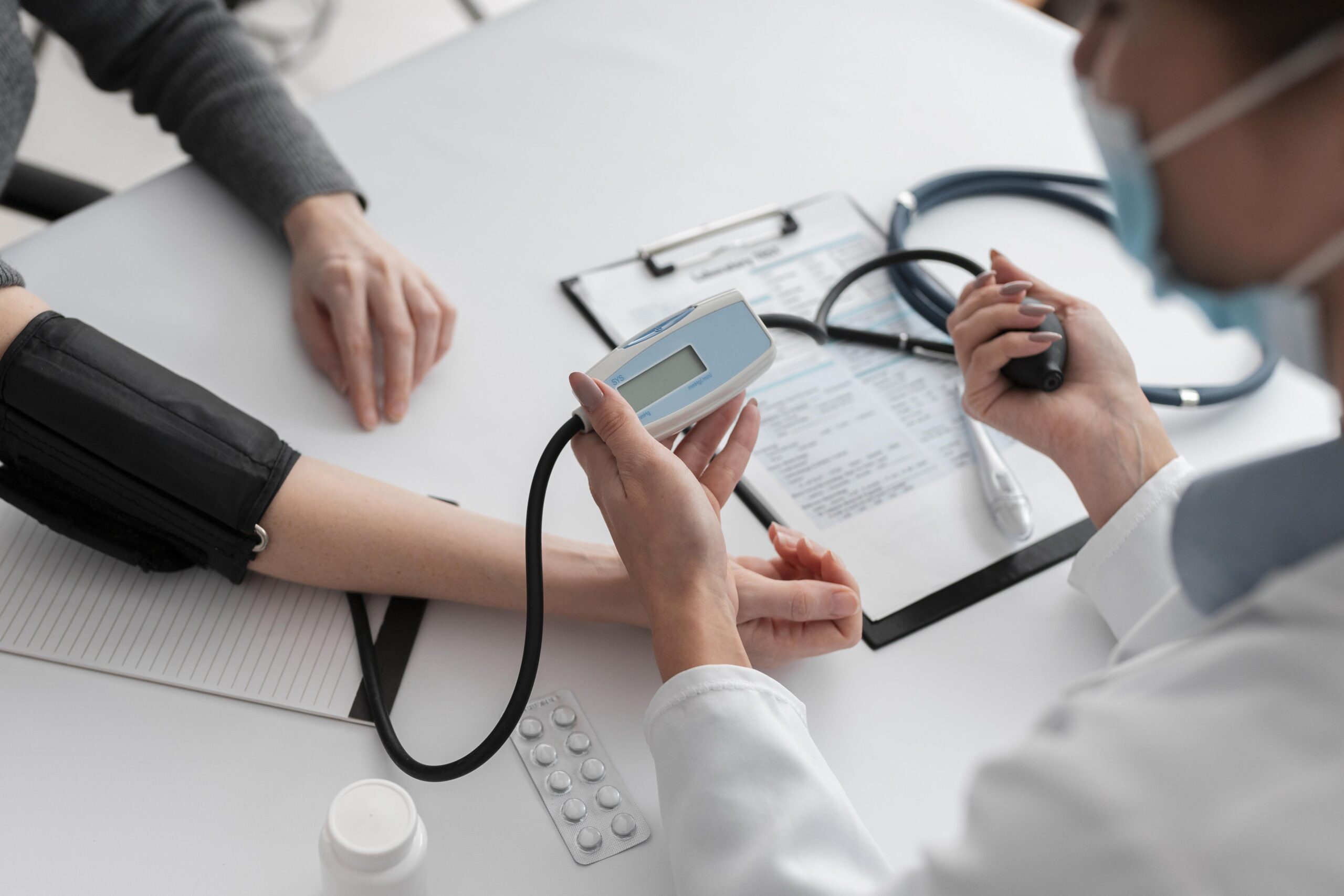
Around Week 2 post-C-section, many women begin to feel better. You may attend your first postpartum check-up, where your doctor will assess your C-section incision recovery and general health. Swelling and pain usually begin to fade.
By Week 2, C-section healing stages become noticeable as pain lessens and the incision colour begins to fade. If it’s your 2nd C-section scar, healing might take slightly longer due to previous tissue layers. C-section recovery needs include proper nutrition, hydration, and gentle mobility.
What to Avoid:
Heavy lifting and intense exercise
Baths or swimming until the incision is fully healed
Tight clothing that may irritate the scar
Scar healing tips: Light massages (as advised by a physiotherapist) can prevent scar tissue buildup. Use comfortable clothing like high-waisted leggings or abdominal binders for extra support.
For mothers planning a 3rd C-section or experiencing slow healing, personalised physiotherapy and scar mobilisation exercises can improve flexibility and strength. Always consult your doctor before starting post C-section exercise plans.
Explore our postpartum physiotherapy services to aid your recovery from cesarean delivery.
Week 6 and Beyond: Resuming Normal Activities
C-section recovery time for most mothers ranges between 6 and 8 weeks, though the 2nd C-section recovery time might extend slightly. Paying attention to your body’s signals helps prevent overexertion and promotes safe healing.
By Week 6, many women report improved mobility, reduced discomfort, and higher energy. Your doctor may clear you for light exercises and sexual activity depending on your C-section healing progress.
What to Expect:
Light walking and stretching to enhance flexibility
Gradual increase in activity
Monitoring the incision for signs of delayed healing
Around this time, women often focus on post-C-section weight loss and regaining fitness. Pilates post C-section and other light core exercises, when approved by your doctor, can gradually tone muscles. The goal isn’t just a flat stomach after C-section; it’s rebuilding strength safely.
Tips for a Faster and Safer C-Section Recovery
Understanding how long to recover from a C-section depends on your personal condition, but these general tips can help speed up recovery:
Rest and Sleep: Prioritise recovery through rest
Hydration: Stay hydrated to promote healing
Nutrition: Eat protein- and fibre-rich foods
Movement: Walk daily to prevent blood clots
Scar Care: Keep the area dry and clean
Avoid Bending Early: If you’re wondering “when can I start bending after a C-section?” — wait until your doctor clears you, usually after Week 6.
If you’re in Dubai, our professional home doctors and nurses ensure recovery in the comfort of your home.
C-section healing stages differ, but creating a checklist of things needed after C-section, such as wound dressings, abdominal binders, and gentle skincare products, can make the process smoother. Things to make C-section recovery easier include staying mobile, eating well, and tracking incision changes.
When Can You Bend or Lift Weights After a C-Section?
During the initial weeks after a C-section, your body is still healing from major abdominal surgery. Bending, twisting, or lifting heavy objects can strain the incision area and delay recovery. Most doctors recommend avoiding bending and lifting anything heavier than your baby for at least the first 6 weeks of C-section recovery. This allows your C-section wound and internal stitches to heal properly. Gradually, light bending and lifting can be reintroduced once your doctor confirms that your incision and muscles have regained strength.
At around 6 to 8 weeks post C-section, gentle movements such as slow bending or lifting lightweight items may be safe if there is no pain or discomfort. Always support your abdomen with one hand while bending, and use proper posture to reduce pressure on the scar and lower back. Heavy lifting, gym workouts, or household chores involving strain should be avoided until cleared by your healthcare provider or physiotherapist.
Every mother’s healing timeline is different, especially for those recovering from a 2nd or 3rd C-section, so personalised guidance is essential. A DHA-licensed physiotherapist can create a safe plan for resuming daily activities and strengthening your core gradually.
Disclaimer: This information is for general awareness and may not replace medical advice. If you have doubts about when to bend, lift, or resume physical activity after a C-section, reach out to Eureka Home Healthcare for personalised guidance and professional postpartum support.
How Physiotherapy Supports C-Section Recovery
Physiotherapy plays a vital role in C-section healing. With guided sessions, mothers can rebuild strength and reduce discomfort:
Core Strengthening: Gentle movements that restore abdominal strength
Pelvic Floor Exercises: Improve control and prevent incontinence
Scar Tissue Mobilisation: Prevent tightness and discomfort
Book a consultation for home physiotherapy in Dubai to accelerate your C-section recovery time.
Pilates After C-Section for Core and Posture Recovery
Pilates after a C-section can be an effective way to rebuild core strength, improve posture, and reduce lower back pain once your doctor approves exercise. Gentle post C-section Pilates movements focus on breathing, pelvic stability, and muscle control, helping tone the abdomen safely without straining the incision. Under the guidance of a DHA-licensed physiotherapist, new mothers can gradually strengthen their core, enhance flexibility, and support long-term C-section recovery.
Exercise post C-section must be progressive. Postpartum C-section recovery often benefits from low-impact workouts like walking, stretching, and breathing exercises. Once cleared, begin a structured post-C-section exercise plan guided by a physiotherapist.
C-section physiotherapy not only aids healing but also helps manage bodily C-section effects like core weakness, back pain, or tight scars. It’s a safe step toward post-C-section fitness and strength restoration.
When to Call the Doctor
You should contact your doctor immediately if you experience:
Our skilled nurse visits in Dubai provide prompt medical care for post-surgical patients.
Understanding the C-section process details helps new mothers stay informed.
From incision type to recovery phases, knowing what your body undergoes encourages better post-surgical care and confidence during postpartum recovery.
Home Nurses for Medication & Wound Care
C-section healing stages require proper dressing and medication. Our home nurses in Dubai offer:
Daily incision checks
Pain management
Monitoring for infection
C-Section Wound Care and Recovery at Home with DHA-Licensed Nurses
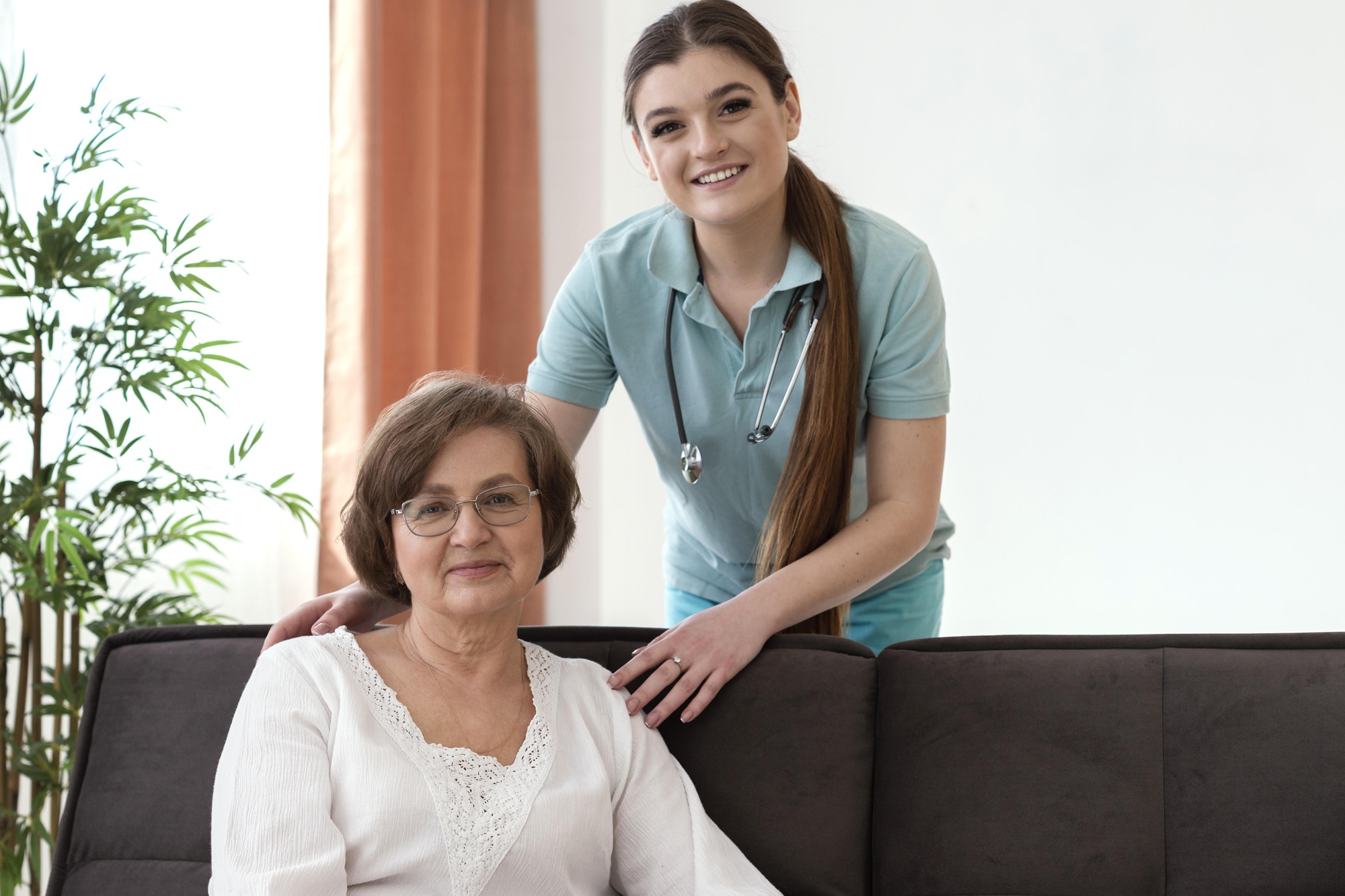
Recover at home with the support of DHA-licensed skilled nurses and physiotherapists from Eureka Home Healthcare. Our expert team provides personalised C-section wound care and comprehensive postpartum recovery support to help mothers heal safely and comfortably. From professional pain management and incision care to guided home physiotherapy sessions, our specialists ensure faster, safer, and more effective C-section recovery in the comfort of your home.
Book a home nurse for postpartum care today and recover comfortably.
FAQs About C-Section Recovery
How long does it take to heal from a C-section?
Recovery generally takes 6 weeks, though some may take longer depending on individual health.
How long before I can bend or walk after a C-section?
Walking is encouraged within 24 hours post-surgery. Bending may be safe after 4–6 weeks, once the incision is healed.
What helps the incision heal faster?
Clean dressing, avoiding friction, and light movement support healing.
How to flatten the tummy post C-section?
Start with physiotherapist-guided abdominal exercises after healing begins.
How long does a C-section scar take to fade?
It may take 3–6 months to fade, depending on skin type and care.
Trust Eureka for Expert C-Section Recovery Support
Choose Eureka Home Healthcare for:
Home nurses
Postpartum physiotherapy
Doctor visits at home
Get compassionate, expert support in every stage of C-section recovery. Contact us today for a personalised postpartum care plan in Dubai.