Author: Eureka Home Health Care

  • Common Fracture Types and Effective Post Fracture Recovery with Home Physiotherapy

    fracture types

    Common Fracture Types and Effective Post Fracture Recovery with Home Physiotherapy

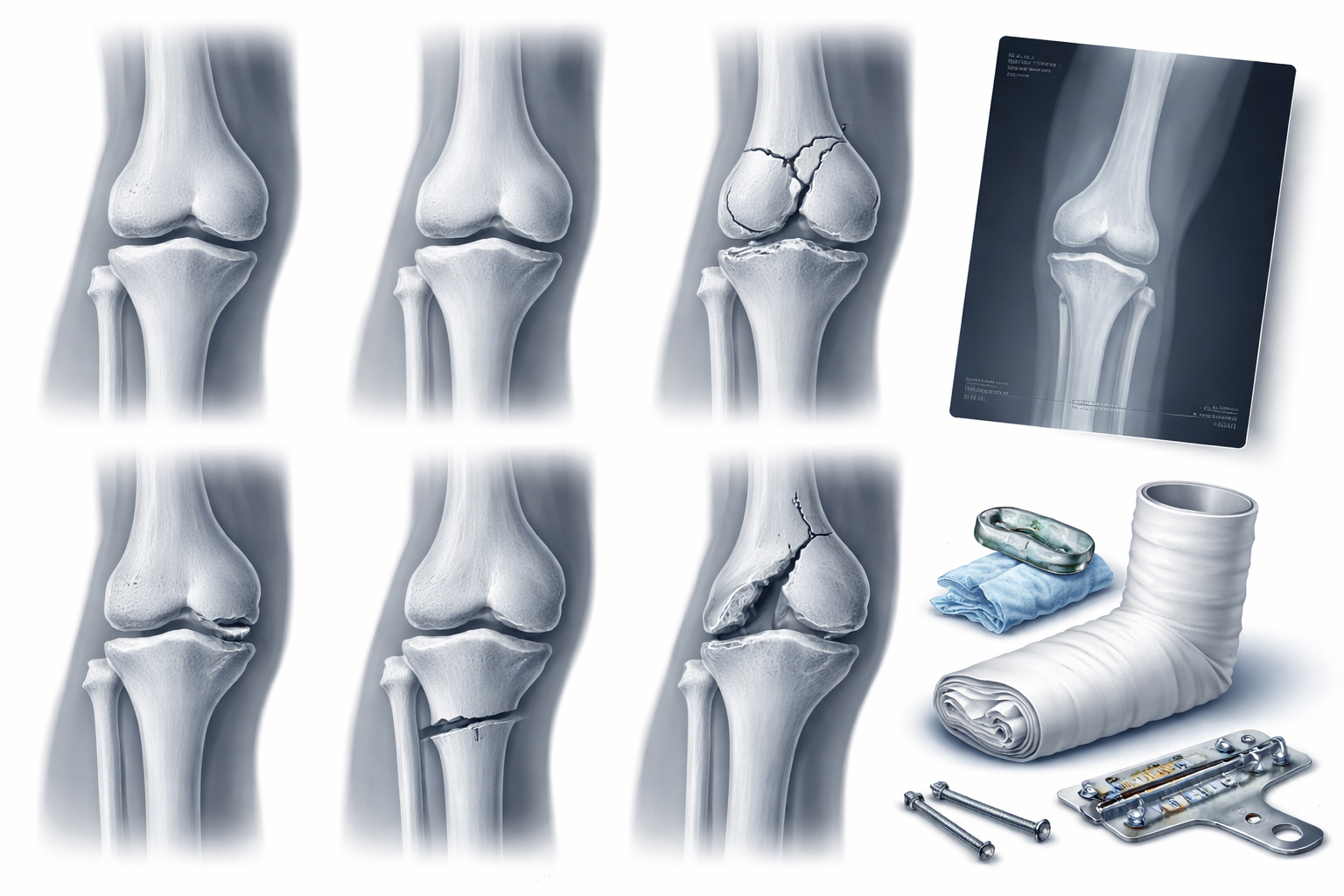
    A fracture is a break or crack in a bone that can affect movement and daily life. Different bone fracture types need different care, and recovery depends on proper treatment and rehabilitation. With the right support, including home physiotherapy, healing can become faster and safer while reducing long term complications. Read on to learn about the types of fractures, treatment options, and how proper care can support a smooth recovery.

    What Happens When a Bone Breaks

    A bone break can happen suddenly or develop over time due to stress or weakness. The body reacts quickly to repair the damage, but proper care is needed to avoid complications.

    How Bone Fracturing Occurs

    Bone fracturing happens when the force applied to a bone is stronger than the bone itself. This can happen due to accidents, falls, or repeated stress on a specific area. Sudden trauma such as road accidents or falls is one of the most common reasons. Sports injuries also put strong pressure on joints and bones, leading to fractures. Weak bones due to aging or conditions like osteoporosis increase the risk even with minor impact. Repeated strain over time can also lead to stress fractures. The severity of bone break types depends on the force of impact and the condition of the bone.

    Early Signs of a Bone Break

    When a bone breaks, the body gives clear signals that should not be ignored. Early identification helps in faster treatment and reduces complications. Pain is usually the first sign, often sharp and intense at the injury site. Swelling and bruising may appear within a short time. Movement becomes difficult or painful, especially in the affected area. In severe bone fracture types, deformity may be visible. Tenderness when touched is also a common symptom. Ignoring these signs can delay treatment and make recovery slower and more difficult.


    Common Bone Fracture Types You Should Know

    Different fracture types require different treatment approaches. Knowing the basic types of bone fractures helps in identifying the seriousness of the injury and seeking proper care.

    Greenstick Fracture

    A greenstick fracture is common in children because their bones are softer and more flexible. Instead of breaking completely, the bone bends and cracks partially. This type of bone fracturing usually occurs during falls or minor injuries. Even though it may seem less serious, proper treatment is important to ensure correct healing and prevent long term deformity.

    Comminuted Fracture

    A comminuted fracture is a severe type of bone break where the bone breaks into multiple pieces. It usually happens due to high impact injuries such as road accidents. This type of fracture often requires surgery and takes a longer time to heal. There is also a higher risk of complications because the bone is fragmented. Close medical supervision and structured rehabilitation are necessary for proper recovery.

    Simple Fracture

    A simple fracture is a clean break where the bone does not pierce the skin. It is also known as a closed fracture. The bone remains inside the skin and is usually treated with casting or splinting. The risk of infection is lower compared to open fractures. However, proper immobilization is important to allow correct healing.

    Compound Fracture

    A compound fracture is a serious type of bone fracture where the broken bone comes through the skin. This increases the risk of infection and requires immediate medical attention. Surgery is often needed to fix the bone, and antibiotics are used to prevent infection. This condition is considered an emergency and should be treated without delay.

    Hairline Fracture

    A hairline fracture is a small crack in the bone that may not be easily visible in early stages. It is often caused by repeated stress on the bone. Pain may start mild but can increase over time if ignored. Rest and limiting physical activity are important for recovery.

    Stress Fracture

    A stress fracture develops gradually due to repeated pressure on a bone. It is commonly seen in athletes and people who perform repetitive physical activities. It often affects the feet and lower legs. Early diagnosis and proper rest are important to prevent the condition from worsening into a complete bone fracture.

    How Fractures Are Diagnosed and Treated

    Accurate diagnosis is essential for choosing the right treatment. Medical professionals use imaging and physical examination to identify the fracture type and severity.

    Diagnosis Methods

    Doctors use several methods to confirm bone fracture types and assess the extent of damage. X rays are commonly used to detect most fractures. MRI scans help identify soft tissue damage and fractures that are not clearly visible. CT scans are used for complex cases such as comminuted fractures. These diagnostic methods help doctors plan the correct treatment approach.

    Treatment Approaches

    Treatment depends on the type of fracture and its severity. The main goal is to stabilize the bone and allow it to heal properly. Casting or splinting is used to keep the bone in the correct position. Surgery may be required for severe fractures or when the bone is broken into multiple pieces. Pain management is done using medications to reduce discomfort. Physiotherapy is introduced to restore movement and strength after initial healing. Early treatment reduces the risk of complications and improves recovery outcomes.

    Stages of Bone Healing

    Bone healing is a natural process that occurs in phases. Each stage plays an important role in restoring strength and function.

    Inflammatory Phase

    This phase begins immediately after bone fracturing and lasts for a few days. Blood collects around the fracture site and forms a clot. The body starts repairing damaged tissue and reduces inflammation. This phase prepares the area for new bone formation.

    Repair Phase

    During the repair phase, the body creates a soft callus around the fractured bone. Over time, this soft callus becomes a hard callus. New bone tissue starts developing and the fracture begins to stabilize. Pain gradually reduces as healing progresses. This stage is important for rebuilding the structure of the bone.

    Remodeling Phase

    The remodeling phase is the final stage of healing where the bone reshapes and regains its strength. The bone becomes stronger over time and returns close to its original shape. Full function is gradually restored. This phase may take several months depending on the type and severity of the fracture.


    Recovery Timeline After a Fracture

    Recovery time varies depending on the type of fracture and the overall health of the person. With proper care and physiotherapy, healing can become faster and more effective. Minor fractures usually heal within 4 to 6 weeks, while moderate fractures may take around 6 to 12 weeks. Severe fractures can require several months for full recovery. Physiotherapy plays an important role in improving mobility, reducing stiffness, and supporting overall rehabilitation, and home physiotherapy options are available for added convenience.


    Why Physiotherapy Is Essential After a Fracture

    Physiotherapy plays an important role in restoring function after bone fracture types. Without proper rehabilitation, stiffness and weakness may continue even after the bone heals.

    Prevents Joint Stiffness

    Physiotherapy helps maintain joint movement and prevents stiffness after long periods of immobilization. It ensures that joints remain flexible and functional.

    Restores Muscle Strength

    Muscles weaken when they are not used during recovery. Physiotherapy includes exercises that help rebuild muscle strength and support the bone.

    Improves Mobility and Flexibility

    Physiotherapy helps patients regain movement and return to daily activities safely. It improves range of motion, coordination, and overall flexibility.

    Reduces Pain and Swelling

    Therapeutic techniques used in physiotherapy help reduce pain and swelling. This makes the recovery process more comfortable and manageable.

    Benefits of Home Physiotherapy for Fracture Recovery

    Home physiotherapy offers a practical solution for people recovering from bone fractures. It allows patients to receive care in a comfortable environment.

    Personalized Care at Home

    Treatment is planned according to the patient condition and stage of recovery. This improves the effectiveness of therapy.

    Faster Recovery with Consistency

    Regular sessions at home help maintain consistency, which is important for recovery. It also removes the difficulty of traveling for treatment.

    Ideal for Elderly and Post Surgery Patients

    Home physiotherapy is especially useful for elderly patients and those recovering after surgery. It reduces physical strain and improves comfort.

    Reduces Hospital Visits

    Patients can avoid frequent hospital visits, reducing fatigue and the risk of infection. This makes the recovery process safer and more convenient.


    Exercises Used in Fracture Rehabilitation

    Exercises are important for restoring strength and movement after a fracture. They are introduced step by step based on healing progress.

    • Range of motion exercises help improve joint flexibility and movement

    • Gentle stretching reduces stiffness in affected areas

    • Strength training exercises rebuild muscle support

    • Light resistance exercises improve muscle function

    • Balance training improves coordination and stability

    Posture correction helps prevent future injuries

    Tips to Support Faster Bone Healing

    Certain habits can improve healing and strengthen bones during recovery.

    1. Eat foods rich in calcium such as milk and leafy vegetables

    2. Get enough vitamin D through sunlight or supplements

    3. Avoid smoking and alcohol as they slow down healing

    4. Follow medical advice carefully

    5. Perform physiotherapy exercises regularly

    When to Seek Immediate Medical Attention

    Certain symptoms after a fracture can signal serious complications and should never be ignored. Severe or worsening pain that does not improve with rest or prescribed medication may indicate improper alignment or internal damage. Numbness, tingling, or a loss of sensation can suggest nerve involvement or restricted blood flow, which requires urgent evaluation. If the bone becomes visible through the skin, it is an open fracture and needs immediate emergency care to prevent infection. Excessive swelling, redness, warmth, or increasing pain around the area may point to infection or inflammation. Additionally, if there is no noticeable improvement in pain, movement, or healing over time, it could indicate delayed healing or complications that need medical attention.

    FAQs

    What is the most common type of fracture

    Greenstick and simple fractures are commonly seen, especially in children and minor injuries. They usually heal well with proper care and early treatment.

    How long does a fracture take to heal

    Most fractures heal within six to twelve weeks. Complete recovery, including strength and mobility, may take longer depending on age, health, and fracture severity.

    Can bones heal without treatment

    Bones may heal naturally, but improper healing can cause deformity, pain, and reduced movement. Medical care ensures correct alignment and faster recovery.

    Is physiotherapy necessary after fracture

    Physiotherapy helps restore strength, flexibility, and movement. Without it, stiffness and weakness may remain even after the bone has healed.

    What foods help in bone healing

    Calcium rich foods, protein, vitamin D, and magnesium support bone healing. A balanced diet improves recovery and strengthens bones.

    Is home physiotherapy safe

    Home physiotherapy is safe when done by trained professionals. It provides personalized care, comfort, and consistent recovery support without hospital visits.

    Trusted Home Physiotherapy at Home in Dubai

    Eureka Home Healthcare offers reliable home physiotherapy services for patients of all ages. DHA licensed and experienced professionals provide safe, compassionate, and professional care in the comfort of home. The focus is on affordable and high quality service, helping patients recover without the stress of hospital visits. Families can feel confident knowing their loved ones receive proper medical attention and support in a familiar environment.

  • Baby Food Basics Every New Parent Should Know

    Baby Food Basics Every New Parent Should Know

    Starting baby food can feel confusing for new parents, especially when choosing between options like organic baby food, homemade baby food recipes, and safe infant food for each stage of growth. Many parents struggle with what to feed, when to start, and how to prepare food safely, but the right approach makes feeding simple and stress free. Read on to learn how to manage baby food with confidence and clarity.

    When Babies Start Solid Foods

    Babies do not need solid food immediately after birth, but the right timing plays an important role in healthy growth and digestion. Introducing baby food at the correct stage supports nutrient intake, improves feeding skills, and helps babies transition smoothly from milk to infant food without stress or discomfort.

    Signs Your Baby Is Ready

    Most babies show clear physical and behavioral signs before they are ready for baby food, and these signs help parents avoid early feeding mistakes. Watching these signals carefully ensures a safer and more comfortable start to infant food.

    • Holds head steady without support during sitting
    • Sits with minimal support and stable posture
    • Shows interest by watching others eat closely
    • Opens mouth when food is offered with spoon
    • Reduced tongue thrust reflex allowing food swallowing

    These signs together indicate that the baby is physically ready to handle baby food and begin the transition into solid feeding.

    Ideal Age for First Infant Food

    Doctors recommend starting infant food at around six months because babies begin to need more nutrients than milk alone can provide. At this stage, the digestive system becomes stronger, and babies require iron rich foods to support brain development and energy levels.

    Starting baby food too early may increase the risk of allergies and digestive issues, while delaying it can lead to nutrient gaps and feeding resistance. A gradual introduction of soft, simple foods alongside continued breastfeeding or formula helps maintain balanced nutrition and supports steady growth.


    Best Baby First Food Options

    Choosing the right first baby food helps babies accept feeding easily and reduces digestive discomfort. Simple foods with smooth texture support a positive start and make feeding less stressful for parents.

    Simple Starter Foods

    • Mashed banana provides soft texture and natural sweetness
    • Rice cereal supports easy digestion for early feeding
    • Steamed apple puree offers mild taste and smooth texture
    • Dal water gives light protein for growing infants
    • Mashed carrot supports vitamin intake and softness

    Texture and Portion Guide

    • Start with smooth puree without any lumps
    • Offer small spoon amounts during initial feeds
    • Increase thickness slowly as baby adapts well
    • Introduce mashed foods after puree acceptance improves
    • Avoid large chunks in early baby food stage


    Organic Baby Food vs Regular Choices

    Many parents consider organic baby food while planning feeding routines for infants. Choosing between organic and regular options depends on safety, availability, and family preferences.

    What Makes Organic Baby Food Different

    Organic baby food is produced without synthetic chemicals, which reduces exposure to pesticide residue. This makes it a preferred option for parents who want cleaner and less processed infant food choices during early feeding stages.

    When Organic Options Make Sense

    Organic baby food may be helpful for babies with sensitive digestion or when using foods known for higher chemical exposure. It is also suitable for families who follow natural eating habits and want consistency in baby food quality.

    Practical Buying Tips

    • Choose seasonal produce for better freshness and quality
    • Avoid highly processed packaged baby food products
    • Check ingredient labels for additives or preservatives
    • Prefer freshly prepared meals whenever possible
    • Maintain hygiene during food preparation at home

    Easy Baby Food Recipes for Daily Feeding

    Preparing baby food at home allows better control over ingredients and freshness. Simple recipes help parents maintain nutrition while keeping feeding routines easy and affordable.

    Quick Homemade Baby Food Recipes

    • Rice and dal mash supports protein and energy balance
    • Vegetable puree helps provide vitamins and fiber
    • Apple and banana blend gives natural sweetness
    • Suji porridge offers soft texture and easy digestion
    • Ragi porridge supports iron and calcium intake

    Weekly Rotation Ideas

    • Rotate fruits and vegetables for balanced nutrition
    • Include grains and lentils in weekly feeding plan
    • Avoid repeating same food every single day
    • Introduce new foods slowly and observe reactions
    • Maintain variety to improve taste acceptance

    Creating a Daily Feeding Routine

    A structured feeding routine helps babies adapt to new foods and supports better digestion. Consistency in feeding times also improves sleep and overall comfort.

    Sample Feeding Schedule by Age

    A proper feeding schedule allows babies to adjust gradually to baby food while maintaining milk intake. Younger infants start with one or two meals, while older babies progress to three meals based on appetite and growth needs.

    Balancing Milk and Solid Baby Food

    Milk remains an essential part of infant food even after introducing solids. Baby food should support nutrition without replacing milk too early, ensuring proper growth, hydration, and balanced feeding habits.

    Food Safety and Preparation Tips

    Safe preparation of baby food is important to prevent infections and maintain nutrition. Proper handling and storage practices ensure that infant food remains fresh and safe.

    Safe Cooking Practices

    • Wash hands before preparing any baby food
    • Clean fruits and vegetables thoroughly before cooking
    • Cook food properly to remove harmful bacteria
    • Avoid adding salt or sugar in baby meals
    • Use clean utensils and feeding bowls always

    Storage and Reheating

    • Store baby food in clean airtight containers
    • Refrigerate immediately after cooking and cooling
    • Use stored food within one to two days
    • Avoid reheating food more than once
    • Discard leftovers from feeding bowls after use


    Common Feeding Challenges and Fixes

    Feeding issues are common during early stages and can affect both babies and parents. Identifying problems early and applying simple solutions helps maintain smooth feeding routines.

    Baby Refusing Food

    Babies may refuse baby food during early stages due to unfamiliar taste, texture, or mood changes. Repeating the same food gently over time helps build acceptance, while avoiding force feeding keeps the experience positive. Offering different textures and maintaining a calm feeding environment improves interest. Following the baby’s hunger cues ensures better timing and reduces resistance during feeding.

    Digestive Issues and Allergies

    Digestive reactions can occur when introducing new infant food, especially if multiple foods are given together. Introducing one food at a time helps identify the cause of any discomfort. Parents should watch for signs like rashes or stomach issues and avoid common allergenic foods initially. Consulting a doctor when reactions appear and maintaining a food record helps manage feeding safely.

    Overfeeding and Underfeeding Signs

    Feeding balance is important to support healthy growth and comfort. Overfeeding can lead to vomiting and visible discomfort, while underfeeding may cause frequent hunger and irritability. Monitoring growth patterns and doing regular weight checks helps assess if the baby is receiving enough nutrition. Following natural hunger cues instead of fixed portions supports better feeding habits.


    Role of Professional Support in Baby Feeding

    Managing baby food routines can become challenging without proper guidance and consistency. Professional support helps parents handle feeding more confidently and safely.

    Support for Feeding Routines

    A baby nurse helps maintain feeding schedules, prepares baby food safely, and ensures hygiene during every stage. This support allows parents to manage infant food routines without stress while maintaining consistency.

    Monitoring Growth and Reactions

    Monitoring how babies respond to different foods helps identify preferences and allergies early. With proper support, parents can ensure smooth transition from milk to baby food while maintaining healthy growth patterns.

    Building Strong Baby Food Habits

    Healthy baby food habits develop through consistent effort, patience, and careful observation. Starting with simple foods, maintaining hygiene, and following a structured routine helps babies adapt to infant food easily. Organic baby food and homemade baby food recipes both support growth when prepared properly. The focus should remain on safety, nutrition, and comfort at every stage of feeding, ensuring long term healthy eating habits.

    FAQs

    What is the best first baby food to start with

    Soft foods like mashed banana, rice cereal, and vegetable puree are ideal because they are easy to digest and gentle on the baby’s stomach during early feeding stages.

    Is organic baby food necessary for all babies

    Organic baby food reduces exposure to chemicals, but properly cleaned and cooked regular food is also safe, making it a flexible choice based on family preference and availability.

    How often should I feed my baby solid food

    Babies can start with one or two meals daily and gradually increase to three meals as they grow, depending on appetite and developmental readiness for different textures.

    Can I prepare baby food at home every day

    Yes, homemade baby food recipes are fresh and allow control over ingredients, making them suitable for daily feeding when prepared safely and stored properly.

    What foods should be avoided in infant food

    Foods like honey, salt, sugar, and processed items should be avoided during the first year as they can affect digestion and overall health of the baby.

    How do I know if my baby is allergic to food

    Signs like rashes, vomiting, diarrhea, or unusual fussiness after eating a new food may indicate an allergy and should be monitored carefully before continuing that food.

    Trusted Baby Care at Home in Dubai

    Eureka Home Healthcare offers reliable at home medical support for babies, children, and adults across Dubai. DHA licensed and experienced nurses provide safe, compassionate, and professional care with a focus on affordable, high quality service. Families can receive proper medical attention and comfort at home without the stress of hospital visits, ensuring better care and peace of mind.

    How Professional Nursing Support at Home Can Help

    • Professional nursing support at home ensures continuous clinical care after hospital discharge, reducing the risk of missed symptoms or feeding gaps.

    • Trained nurses monitor feeding patterns, intake levels, and baby response to ensure stable blood glucose levels throughout the day.

    • Nurses guide parents in proper breastfeeding and formula feeding techniques to improve feeding effectiveness and consistency.

    • Home nurses observe early warning signs such as changes in alertness, muscle tone, and breathing patterns for timely intervention.

    • Structured feeding routines are established and adjusted based on the baby’s condition to prevent sudden drops in blood sugar.

    • Nurses maintain detailed records of feeding, behaviour, and glucose trends to support medical follow up and decision making.

    • Professional support helps identify subtle symptoms that parents may not easily recognise during early recovery stages.

    • Nurses coordinate with doctors when needed, ensuring timely medical guidance and preventing complications.

    • Parents receive practical training and clear instructions, helping them feel confident in managing their baby’s care safely.

    • Ongoing support at home reduces hospital readmission risk by addressing concerns early and maintaining stable recovery progress.


    Making informed decisions on home care in neonatal hypoglycemia

    Low sugar in infants requires careful monitoring, structured feeding, and early intervention to protect the newborn brain and support healthy development. Neonatal hypoglycemia is often temporary, but recovery continues after hospital discharge. Home nursing care plays a vital role in observing feeding quality, identifying early warning signs, and guiding parents through safe daily routines. With consistent follow up and professional support, most babies achieve stable blood glucose levels and progress confidently into healthy infancy.

    Trusted neonatal hypoglycemia care at home in Dubai

    Eureka Home Healthcare offers reliable at home medical support for newborns, children, adults, and elderly patients across Dubai. Our DHA licensed and experienced nurses provide safe, compassionate, and professional care for babies with low blood sugar and feeding difficulties. We focus on affordable, high quality service so families can receive medical attention and comfort at home without hospital stress. Parents can feel confident knowing their loved ones are supported with personalised, gentle, and continuous home nursing care.


  • Low Sugar in Infants, How Home Nursing Care Supports Recovery and Feeding Routines

    Low Sugar in Infants, How Home Nursing Care Supports Recovery and Feeding Routines

    Low sugar in a newborn can affect the brain and vital organs within hours if it is not detected and supported correctly. Many parents hear the words neonatal hypoglycemia for the first time only after delivery, when their baby already shows low blood glucose levels. This guide explains what low sugar in infants means, how recovery continues after discharge, and how home nursing care supports feeding routines and monitoring. Read on to know how safe home based care helps protect your baby during this critical period.


    What is low blood sugar in a newborn means

    Low blood sugar in a newborn, medically called neonatal hypoglycemia, means that the amount of glucose in the baby’s blood is lower than what the body and brain need to function safely. Glucose is the main source of energy for the newborn brain, and newborns use glucose faster than adults.

    During pregnancy, the baby receives a continuous supply of glucose from the mother. After birth, this supply suddenly stops, and the baby must rely on feeding and stored energy to keep blood glucose stable. For some babies, this adjustment takes time.

    Low sugar in a newborn does not always mean there is a serious illness. Many babies experience temporary low readings during the first hours after birth. However, repeated or prolonged low sugar levels can cause feeding problems, breathing changes, and in severe cases, neurological injury.

    Clinical care and screening practices for newborn hypoglycemia are commonly aligned with recommendations from organisations such as World Health Organization and American Academy of Pediatrics to support early identification and safe feeding practices.


    Why newborns develop low sugar levels

    Low sugar in infants can occur for several reasons related to pregnancy, delivery, or the baby’s health after birth.

    Pregnancy and delivery related causes

    Some common pregnancy and delivery related causes include:

    • Maternal diabetes during pregnancy

    • Difficult or prolonged labour

    • Emergency caesarean delivery

    • Premature birth

    • Babies who are smaller or larger than expected for their gestational age

    These situations can affect how well the baby adapts to regulating blood glucose after birth.

    Newborn related causes

    Newborn related factors can also contribute to hypoglycemia levels in newborns. These include:

    1. Delayed or ineffective feeding

    2. Infection in the early newborn period

    3. Breathing difficulties after delivery

    4. Low body temperature

    5. Stress during birth

    Low sugar in a newborn often results from more than one factor working together.


    Normal blood glucose levels for newborns

    Blood glucose levels for newborns are not the same as adult values. In the first few hours after birth, it is normal for blood glucose in newborns to fall slightly as the baby adapts to life outside the womb.

    Doctors and nurses do not rely on a single number alone. They look at trends, symptoms, feeding response, and how the baby behaves over time.

    Low sugar level for newborns becomes clinically important when readings remain low after feeding support, or when the baby shows symptoms such as jitteriness, poor feeding, or unusual sleepiness.

    It is important for parents to know that transitional low readings are common, but repeated low values may require medical support and close follow up.


    Early signs of low sugar in infants

    Some babies show clear signs of low sugar, while others may show very subtle changes.

    Common early signs include:

    • Poor or weak feeding

    • Jittery or shaky movements

    • Weak or high pitched cry

    • Low body temperature

    • Pale or bluish skin colour

    In some babies, silent hypoglycemia occurs, where no obvious symptoms are visible, even though blood glucose is low. This is why screening and monitoring are important for at risk newborns.

    How neonatal hypoglycemia is diagnosed

    Neonatal hypoglycemia is usually diagnosed using bedside glucose testing. A small blood sample is taken from the baby’s heel and tested immediately.If a low value is found, it is often confirmed by laboratory testing. Doctors do not rely on a single reading. Instead, repeated blood glucose in newborn measurements are taken to observe how the baby responds to feeding or treatment.Diagnosis focuses on patterns of low values, feeding behaviour, and overall clinical condition rather than one isolated test result.

    How low sugar in newborns is treated in hospitals

    Initial treatment of low sugar in a newborn focuses on restoring and maintaining safe glucose levels as quickly as possible.

    Common hospital treatments include:

    1. Early and frequent feeding

    2. Expressed breast milk or formula supplementation

    3. Oral glucose gel placed inside the cheek

    4. Intravenous glucose for babies with persistent or severe hypoglycemia

    This approach follows neonatal care principles supported by bodies such as National Institute for Health and Care Excellence for safe escalation and monitoring.

    Why recovery continues after discharge

    Even after hospital treatment stabilises blood glucose levels, recovery does not end at discharge. Newborn metabolism continues to mature over several days or weeks.

    Many babies still require:

    • Regular feeding schedules

    • Monitoring of feeding tolerance

    • Observation for subtle symptoms

    For some infants, especially those with early feeding difficulties, home based follow up plays an important role in preventing repeated drops in blood sugar.

    How home nursing care supports recovery

    Home nursing care helps bridge the gap between hospital treatment and full recovery.

    Ongoing blood sugar monitoring at home

    Trained nurses can safely perform point of care blood sugar checks when required. These readings are recorded carefully and shared with the treating paediatrician.

    Monitoring at home focuses on:

    • Identifying downward trends early

    • Reviewing feeding response after low readings

    • Supporting timely medical escalation when needed

    Clinical observation and early warning detection

    Home nurses observe the baby’s behaviour, muscle tone, feeding quality, and alertness.

    They watch for:

    1. Changes in feeding strength

    2. Unusual sleepiness or irritability

    3. Colour changes

    4. Breathing pattern changes

    Early detection allows faster medical intervention.

    Parental education and confidence building

    Parents receive structured education on:

    • Recognising early symptoms

    • Interpreting feeding cues

    • Safe positioning during feeds

    • Proper burping and handling

    This education improves parental confidence and reduces anxiety.


    How home nursing care supports feeding routines

    Feeding is the most important part of hypoglycemia management in neonates.

    Establishing structured feeding schedules

    Home nurses help families establish feeding schedules based on medical guidance.

    This includes:

    • Appropriate feeding intervals

    • Adjusting feeding frequency during night hours

    • Monitoring volume intake

    A structured routine reduces the risk of glucose dips between feeds.

    Breastfeeding support for low sugar in infants

    Breastfeeding can be challenging in babies with low sugar in infants, especially when feeding stamina is low.

    Support includes:

    1. Improving latch and positioning

    2. Supporting skin to skin contact

    3. Expressing breast milk when needed

    4. Supplementing safely when required

    This approach supports both nutrition and maternal milk supply.

    Formula and combination feeding guidance

    When formula or combination feeding is needed, nurses guide parents on:

    • Safe preparation techniques

    • Correct storage practices

    • Gradual transitions between feeding methods

    This ensures consistent intake and reduces feeding related stress.

    Nursing diagnosis in newborn hypoglycemia care

    Hypoglycemia newborn nursing diagnosis focuses on identifying care priorities and planning safe interventions.

    Common nursing diagnoses include:

    • Risk for unstable blood glucose level

    • Ineffective feeding pattern

    • Imbalanced neonatal nutrition

    Hypoglycemia nursing diagnosis for newborn helps guide feeding schedules, monitoring frequency, and parental education plans.

    This structured nursing approach supports consistent care and documentation during recovery.


    When low sugar in a newborn becomes an emergency

    • Parents should seek immediate medical attention for seizures

    • Abnormal jerking movements require urgent medical evaluation immediately

    • Poor responsiveness or difficulty waking needs urgent care

    • Persistent vomiting in newborns requires immediate hospital assessment

    • Refusal to feed is a serious warning sign

    • Worsening breathing difficulty requires immediate emergency medical attention

    How Professional Nursing Support at Home Can Help

    • Professional nursing support at home ensures continuous clinical care after hospital discharge, reducing the risk of missed symptoms or feeding gaps.

    • Trained nurses monitor feeding patterns, intake levels, and baby response to ensure stable blood glucose levels throughout the day.

    • Nurses guide parents in proper breastfeeding and formula feeding techniques to improve feeding effectiveness and consistency.

    • Home nurses observe early warning signs such as changes in alertness, muscle tone, and breathing patterns for timely intervention.

    • Structured feeding routines are established and adjusted based on the baby’s condition to prevent sudden drops in blood sugar.

    • Nurses maintain detailed records of feeding, behaviour, and glucose trends to support medical follow up and decision making.

    • Professional support helps identify subtle symptoms that parents may not easily recognise during early recovery stages.

    • Nurses coordinate with doctors when needed, ensuring timely medical guidance and preventing complications.

    • Parents receive practical training and clear instructions, helping them feel confident in managing their baby’s care safely.

    • Ongoing support at home reduces hospital readmission risk by addressing concerns early and maintaining stable recovery progress.


    Making informed decisions on home care in neonatal hypoglycemia

    Low sugar in infants requires careful monitoring, structured feeding, and early intervention to protect the newborn brain and support healthy development. Neonatal hypoglycemia is often temporary, but recovery continues after hospital discharge. Home nursing care plays a vital role in observing feeding quality, identifying early warning signs, and guiding parents through safe daily routines. With consistent follow up and professional support, most babies achieve stable blood glucose levels and progress confidently into healthy infancy.

    Trusted neonatal hypoglycemia care at home in Dubai

    Eureka Home Healthcare offers reliable at home medical support for newborns, children, adults, and elderly patients across Dubai. Our DHA licensed and experienced nurses provide safe, compassionate, and professional care for babies with low blood sugar and feeding difficulties. We focus on affordable, high quality service so families can receive medical attention and comfort at home without hospital stress. Parents can feel confident knowing their loved ones are supported with personalised, gentle, and continuous home nursing care.


  • Pain Management After Orthopedic Surgery in Seniors

    How to Bathe an Elderly Person Safely at Home

    Pain Management After Orthopedic Surgery in Seniors

    Pain after orthopedic surgery is common in seniors, especially after procedures like hip replacement or fracture repair. Many older adults struggle with movement, sleep, and daily activities because of post surgery pain. Effective pain management after orthopedic surgery in seniors helps control discomfort and supports faster recovery. Read on to learn safe pain relief methods, rehabilitation strategies, and recovery steps that help seniors heal comfortably after orthopedic procedures.

    Why Pain Control Is Critical for Seniors After Orthopedic Surgery

    Pain management plays an essential role in the recovery process after orthopedic surgery in seniors. Older adults often have reduced muscle strength, slower tissue healing, and other health conditions that make pain more difficult to tolerate. Proper pain control helps patients move safely, participate in physiotherapy, and prevent complications such as stiffness or blood clots.

    When pain is controlled well, seniors can start gentle movement earlier, which improves circulation and prevents long periods of immobility. Postoperative pain management also helps maintain sleep quality and emotional wellbeing during the recovery period.

    Age Related Changes That Influence Pain Response

    As people age, the body reacts differently to surgical pain and medications. Several physical changes influence how seniors experience pain and respond to treatment.

    • Reduced muscle mass and joint flexibility can increase discomfort after orthopedic procedures.
    • Slower metabolism may affect how pain medications are processed in the body.
    • Decreased bone density can lead to longer healing times after fractures or joint replacement surgery.
    • Chronic conditions such as arthritis or diabetes may increase postoperative pain sensitivity.
    • Reduced mobility can make rehabilitation exercises more challenging during recovery.

    Risks of Unmanaged Postoperative Pain in Older Adults

    1. Limited mobility during recovery can lead to muscle weakness and joint stiffness.

    2. Poor sleep caused by pain may slow down healing and reduce energy levels.

    3. Persistent pain can increase the risk of developing long term chronic pain conditions.

    4. Seniors may avoid movement due to discomfort, which raises the risk of blood clots and falls.

    5. Lack of participation in physiotherapy may delay the return to normal daily activities.


    Types of Orthopedic Procedures That Often Require Structured Pain Care

    Orthopedic surgery includes several procedures designed to repair bones, joints, or ligaments. Pain levels after surgery depend on the type of procedure and the overall health of the patient.

    Hip Replacement Surgery

    Hip replacement surgery is commonly performed in seniors who experience severe joint damage due to arthritis or injury. During this procedure, the damaged joint is replaced with an artificial implant. Postoperative pain is common during the early recovery period, especially while walking or standing.

    Knee Replacement Surgery

    Knee replacement surgery helps restore movement when knee joints are severely damaged. Pain after surgery can occur due to inflammation and tissue healing around the joint. Rehabilitation exercises and pain control medications are important for improving mobility.

    Spinal Surgery

    Spinal procedures such as decompression or spinal fusion are performed to relieve pressure on nerves or stabilize the spine. Pain management after spinal surgery is essential because movement and posture changes may cause temporary discomfort.

    Fracture Fixation Surgery

    Fracture fixation surgery is used to repair broken bones using metal plates, screws, or rods. Seniors often require structured pain control and rehabilitation after fracture repair because bone healing may take longer in older adults.

    Pain Relief Methods Used After Orthopedic Surgery

    Pain management after orthopedic surgery usually involves several treatment approaches working together. Doctors often use a combination of medications, physical therapy, and supportive care to control pain and help the body recover.

    Multimodal Analgesia Strategy

    Multimodal pain management is widely used after orthopedic procedures because it targets pain from different pathways in the body. This approach reduces the need for strong medications while still providing effective relief.

    Common treatments used in multimodal pain control include:

    • Paracetamol for mild to moderate pain relief.
      • Anti inflammatory medications that reduce swelling and joint inflammation.
      • Local anesthetics that numb the surgical area temporarily.
      • Muscle relaxants to reduce stiffness around the operated joint.
      • Low dose opioid medications used only when necessary.

    Using several methods together allows doctors to control pain more effectively while reducing side effects.

    Regional Anesthesia and Nerve Blocks

    Regional anesthesia techniques are often used during and after orthopedic surgery. These treatments block pain signals from reaching the brain and can provide significant relief during the early stages of recovery.

    1. Spinal anesthesia numbs the lower body during surgery and reduces postoperative pain.

    2. Epidural anesthesia provides continuous pain control through medication delivered near the spinal cord.

    3. Peripheral nerve blocks target specific nerves near the surgical area to reduce pain signals.

    4. Local nerve injections can help maintain pain relief for several hours after surgery.

    These techniques are commonly used for hip replacement, knee replacement, and fracture repair surgeries.

    Oral Medications Prescribed After Surgery

    Doctors usually prescribe oral medications that patients take during the recovery period at home.

    • Paracetamol helps control mild to moderate pain.
      • Anti inflammatory medications reduce swelling around joints.
      • Mild opioid medications may be used for short periods when pain is severe.
      • Nerve pain medications help reduce discomfort caused by nerve irritation.

    Medication plans are carefully adjusted for seniors to avoid unwanted side effects.


    Role of Physiotherapy in Post Surgical Pain Relief

    Physiotherapy is one of the most important parts of pain management after orthopedic surgery in seniors. Rehabilitation exercises help restore joint movement, strengthen muscles, and reduce stiffness around the surgical area.

    Starting physiotherapy early can improve recovery outcomes and help patients regain independence faster. Trained physiotherapists guide seniors through safe movements that gradually rebuild strength and flexibility.

    Why Early Movement Reduces Pain

    Early movement helps prevent muscle stiffness and improves blood circulation. Gentle exercises also reduce swelling around the surgical area and promote faster tissue healing.

    Exercises That Support Recovery

    1. Gentle range of motion exercises that improve joint flexibility.

    2. Strengthening exercises that rebuild muscles supporting the joint.

    3. Walking exercises that improve balance and coordination.

    4. Stretching movements that reduce muscle tightness.

    Home Physiotherapy for Elderly Patients

    Many seniors benefit from physiotherapy sessions performed at home. Home physiotherapy allows patients to recover in a familiar environment while receiving professional support.

    Physiotherapy sessions in Dubai typically cost between AED 250 and AED 450 per session depending on the treatment plan and duration.


    Role of Physiotherapy in Post Surgical Pain Relief

    Physiotherapy is one of the most important parts of pain management after orthopedic surgery in seniors. Rehabilitation exercises help restore joint movement, strengthen muscles, and reduce stiffness around the surgical area.

    Starting physiotherapy early can improve recovery outcomes and help patients regain independence faster. Trained physiotherapists guide seniors through safe movements that gradually rebuild strength and flexibility.

    Why Early Movement Reduces Pain

    Early movement helps prevent muscle stiffness and improves blood circulation. Gentle exercises also reduce swelling around the surgical area and promote faster tissue healing.

    Exercises That Support Recovery

    1. Gentle range of motion exercises that improve joint flexibility.

    2. Strengthening exercises that rebuild muscles supporting the joint.

    3. Walking exercises that improve balance and coordination.

    4. Stretching movements that reduce muscle tightness.

    Home Physiotherapy for Elderly Patients

    Many seniors benefit from physiotherapy sessions performed at home. Home physiotherapy allows patients to recover in a familiar environment while receiving professional support.

    Physiotherapy sessions in Dubai typically cost between AED 250 and AED 450 per session depending on the treatment plan and duration.


    Home Based Pain Relief Strategies for Seniors

    Pain control does not rely only on medication. Several supportive techniques can help seniors reduce discomfort and improve healing after orthopedic surgery.

    • Applying cold packs to the surgical area can reduce swelling and inflammation.
      • Maintaining proper sleeping positions helps reduce pressure on joints.
      • Gentle walking and gradual activity help improve blood circulation.
      • Using supportive cushions or braces can protect the operated joint.
      • Drinking adequate water supports circulation and healing.

    Recovery Timeline After Orthopedic Surgery in Seniors

    Recovery after orthopedic surgery varies depending on the procedure and the overall health of the patient. However, most seniors follow a general recovery timeline as the body heals.

    First Week After Surgery

    During the first week, patients usually remain under medical supervision while pain is closely managed. Movement is limited but gentle exercises may begin with the guidance of physiotherapists.

    First Month of Rehabilitation

    1. Walking with assistance becomes easier.

    2. Physiotherapy exercises gradually increase in intensity.

    3. Swelling and surgical pain slowly decrease.

    4. Daily activities such as sitting or standing improve.

    Three to Six Month Recovery Phase

    During this stage, seniors often regain stronger joint movement and improved balance. Many patients are able to resume most daily activities and continue strengthening exercises to maintain mobility.

    Cost of Post Surgical Pain Management and Rehabilitation

    Pain management and rehabilitation services after orthopedic surgery involve several healthcare services. The cost depends on the type of surgery, medication needs, and rehabilitation program.

    1. Orthopedic surgeries in UAE hospitals may cost between AED 40,000 and AED 95,000 depending on the procedure and hospital facilities.

    2. Post surgery physiotherapy sessions usually cost between AED 250 and AED 450 per session.

    3. Pain management consultations with specialists may cost around AED 350 to AED 700 per visit.

    4. Mobility support equipment such as walkers or braces may cost between AED 150 and AED 800.

    Planning rehabilitation and pain control in advance helps families manage recovery expenses more effectively.

    Lifestyle Factors That Support Pain Recovery

    Healthy lifestyle habits can help seniors recover more comfortably after orthopedic surgery. Nutrition, rest, and physical activity all influence how quickly the body heals.

    Nutrition for Bone and Tissue Healing

    A balanced diet rich in protein, calcium, and vitamins supports bone healing and muscle recovery. Foods such as dairy products, leafy vegetables, eggs, and lean protein sources are beneficial during rehabilitation.

    Sleep and Inflammation Control

    Good sleep helps regulate hormones that control inflammation and tissue repair. Comfortable sleeping positions and proper pain management can improve sleep quality during recovery.

    Safe Physical Activity

    1. Short walking sessions improve circulation and prevent stiffness.

    2. Guided exercises strengthen muscles around the joint.

    3. Gradual increases in activity levels prevent strain on healing tissues.

    Mental Health and Recovery Motivation

    Positive mental wellbeing plays a significant role in recovery. Support from family members, physiotherapists, and caregivers helps seniors stay motivated throughout the rehabilitation process.

    How Professional Post Surgical Physiotherapy Supports Pain Recovery

    Professional physiotherapy services provide structured rehabilitation for seniors after orthopedic surgery. Physiotherapists assess the patient’s mobility, strength, and pain levels to create personalized treatment plans.

    1. Targeted exercises help reduce joint stiffness.

    2. Strength training improves stability and balance.

    3. Pain relief techniques reduce inflammation and muscle tension.

    4. Mobility training helps patients regain independence safely.

    Professional physiotherapy guidance often accelerates recovery and improves long term outcomes.

    Recovery and Pain Control After Orthopedic Surgery

    Pain management after orthopedic surgery in seniors requires a combination of medication, rehabilitation exercises, and supportive care. Proper pain control allows patients to move safely, participate in physiotherapy, and regain strength gradually. With the right recovery plan, seniors can restore mobility and return to daily activities with improved comfort. Structured rehabilitation, healthy lifestyle habits, and professional medical guidance play a key role in achieving successful recovery after orthopedic procedures.

    Trusted Post Surgery Physiotherapy at Home in Dubai

    Eureka Home Healthcare provides trusted post surgery physiotherapy at home in Dubai for patients of all ages. DHA licensed and experienced nurses and physiotherapists deliver safe, compassionate, and professional care in the comfort of home. The service focuses on affordable and high quality medical support so patients can recover without hospital stress. Families can rely on dedicated professionals who provide personalized attention and help loved ones regain mobility and comfort safely at home.

  • Newborn Care at Home: What Every Parent Should Expect in the First 30 Days

    Infant Massage: Benefits and Safe Techniques Every Parent Should Know

    Newborn Care at Home: What Every Parent Should Expect in the First 30 Days

    Bringing a newborn home is a joyful but overwhelming experience for many parents. The first days home with a newborn often bring questions about feeding, sleep, hygiene, and daily routines. Many parents worry about whether they are doing newborn care at home correctly. This guide explains what parents can expect during the first 30 days and how simple routines can make in-home newborn care safe and comfortable.

    What the First Days Home With a Newborn Are Like

    The first days home with a newborn are often filled with excitement, learning, and adjustment. Babies are adapting to life outside the womb while parents are learning how to care for a tiny and delicate human. During the first week, newborns spend most of their time sleeping and feeding. Their sleep patterns are irregular, and they wake up frequently for milk.

    Parents may feel tired during this time because newborns usually feed every two to three hours. Crying is also common because babies communicate their needs through crying. Gradually, parents learn to recognize signals such as hunger, discomfort, or tiredness.

    Common changes during the first week

    Newborn behavior during the first week may include the following:

    • Sleeping for short periods throughout the day and night
      • Feeding frequently, sometimes every two hours
      • Passing several wet diapers daily
      • Crying when hungry, uncomfortable, or tired
      • Showing reflex movements such as grasping or sucking

    How newborns adjust to the home environment

    A newborn spends nine months in a warm and quiet environment inside the womb. After birth, the baby experiences light, sound, and touch in a very different way. During the first days home with a newborn, babies slowly adapt to these new surroundings.

    Parents can help babies adjust by maintaining a calm environment, using soft lighting, and practicing skin to skin contact. These actions help babies feel secure and supported as they adapt to life outside the womb.


    Daily Newborn Care Routine at Home

    Newborn care at home becomes easier when parents follow a simple daily routine. During the first month, most activities revolve around feeding, diaper changes, sleeping, and comforting the baby.

    Although newborns do not follow a strict schedule, consistent care helps them feel secure and helps parents manage daily responsibilities more comfortably.

    Feeding routine during the first month

    Feeding is the most important part of newborn baby care at home. Babies need frequent nourishment because their stomachs are very small.

    1. Most newborns feed every two to three hours

    2. Breastfed babies may feed eight to twelve times a day

    3. Formula fed babies usually feed every three to four hours

    4. Feeding sessions may last between ten and thirty minutes

    Parents should look for hunger signals such as sucking movements, hand to mouth activity, and restlessness.

    Diaper changing and hygiene care

    Newborns require frequent diaper changes to keep their skin clean and comfortable. In the first weeks, babies may have eight to ten diaper changes each day.

    • Always wash hands before and after diaper changes
      • Clean the baby gently with soft wipes or warm water
      • Dry the skin before placing a new diaper
      • Use a protective cream if diaper rash appears

    Maintaining good hygiene is an important part of newborn baby care at home and helps prevent skin irritation.

    Burping and soothing techniques

    Burping helps release air that babies swallow while feeding. If air remains trapped in the stomach, the baby may feel uncomfortable and cry.

    Parents can burp their baby by holding the baby upright against the shoulder and gently patting the back. This allows trapped air to escape and reduces stomach discomfort.

    Common soothing techniques include gentle rocking, soft singing, and holding the baby close. These comforting actions help babies feel calm and secure.

    Safe Sleep Practices for Newborns

    Sleep is an important part of early growth and development. Newborns sleep for many hours each day, but their sleep cycles are short. Safe sleep practices help reduce risks and ensure the baby rests comfortably.

    Parents should create a safe sleeping environment to support healthy newborn sleep patterns.

    Normal sleep patterns during the first 30 days

    Newborn babies typically sleep between fourteen and seventeen hours per day. However, this sleep is divided into short periods.

    During the first month, sleep patterns may include:

    • Sleeping for two to four hours at a time
      • Waking frequently for feeding
      • Day and night sleep cycles not yet fully developed
      • Brief periods of alertness between sleep sessions

    Over time, babies gradually develop more predictable sleep patterns.

    How to create a safe sleep environment

    Safe sleep conditions help reduce the risk of sleep related complications.

    1. Place the baby on the back during sleep

    2. Use a firm mattress in a safe crib or bassinet

    3. Keep pillows, blankets, and toys out of the crib

    4. Maintain a comfortable room temperature

    5. Allow the baby to sleep in the same room as parents but in a separate crib

    These steps create a safe sleeping space and support healthy newborn sleep habits.

    Newborn Hygiene and Bathing

    Hygiene is a key part of newborn baby care at home. Babies have delicate skin that requires gentle care. Proper hygiene helps protect the baby’s skin and prevents infection.

    During the first weeks, bathing routines are simple and gentle.

    When newborns can have their first bath

    Most doctors recommend sponge baths until the umbilical cord stump falls off. This usually happens within one to two weeks after birth.

    • Use warm water and a soft cloth
      • Clean the baby’s face, neck, hands, and diaper area
      • Dry the skin gently with a soft towel

    Once the cord stump heals, babies can have short baths in a baby tub.

    Umbilical cord care at home

    The umbilical cord stump needs proper care to prevent infection.

    1. Keep the stump clean and dry

    2. Avoid covering it with tight diapers

    3. Do not pull or disturb the stump

    4. Allow it to fall off naturally

    Proper care helps the area heal safely.

    Skin care for newborn babies

    Newborn skin is thinner and more sensitive than adult skin. This means it can lose moisture easily and may react to harsh products.

    Parents should use mild baby products, keep the skin clean and dry, and avoid strong soaps or fragrances.


    Feeding Expectations During the First Month

    Feeding patterns in the first month can vary between babies. Some babies feed frequently in short sessions, while others take longer feeding intervals.

    Both breastfeeding and formula feeding can support healthy growth when done correctly.

    Breastfeeding expectations

    Breastfeeding often requires practice for both the mother and the baby. During the first few days, mothers produce colostrum, a nutrient rich early milk.

    Over time, milk supply increases to meet the baby’s needs.

    Important breastfeeding points include:

    • Feed on demand when the baby shows hunger cues
      • Ensure the baby is positioned comfortably
      • Allow the baby to finish feeding on one side before switching
      • Expect frequent feeds during growth periods

    Formula feeding guidance

    Formula feeding provides an alternative when breastfeeding is not possible or when parents choose this method.

    1. Prepare formula according to the instructions provided

    2. Use clean bottles and sterilized equipment

    3. Feed the baby slowly to prevent swallowing excess air

    4. Discard leftover formula after feeding

    How to recognize feeding cues

    Babies communicate hunger through early signals. Recognizing these cues helps parents respond before the baby begins crying.

    Common hunger signals include:

    • Moving the head side to side
      • Sucking on hands or fingers
      • Opening the mouth repeatedly
      • Becoming restless or alert

    Responding early helps create smoother feeding routines.

    Health Checks Parents Should Watch For

    Monitoring a newborn’s health is an important part of newborn care at home. While many newborn behaviors are normal, parents should remain aware of signs that may require medical attention.

    Normal newborn health signs

    Many physical changes occur during the first weeks of life. Some of these changes are completely normal.

    1. Mild skin peeling during the first weeks

    2. Slight weight loss during the first days after birth

    3. Irregular sleep patterns

    4. Occasional hiccups or sneezing

    These signs usually resolve as the baby grows.

    When parents should contact a pediatrician

    Parents should seek medical advice if certain symptoms appear.

    • Fever above normal range
      • Difficulty breathing
      • Persistent vomiting
      • Refusal to feed
      • Yellowing of skin or eyes

    Early medical consultation helps ensure the baby’s health and safety.

    Emotional Adjustment for Parents in the First Month

    The first month with a newborn brings emotional changes for parents as well. Sleep disruption, new responsibilities, and physical recovery after childbirth can affect how parents feel.

    It is normal for parents to feel both happiness and exhaustion during this period.

    Sleep deprivation and recovery

    Sleep deprivation is one of the biggest challenges for new parents.

    • Newborns wake frequently for feeding
      • Parents may feel tired during the day
      • Sharing nighttime responsibilities can help reduce exhaustion

    Resting whenever the baby sleeps can also support recovery.

    Building confidence in newborn care

    Confidence grows with experience. Each day, parents become more familiar with their baby’s behavior and needs.

    Gradually, parents learn feeding routines, soothing methods, and daily care activities. This learning process builds confidence and strengthens the parent baby bond.


    Benefits of In Home Newborn Care Support

    Some families choose professional in home newborn care for additional guidance and support during the first month. This service helps parents manage newborn care while recovering from childbirth.

    Professional caregivers can assist with daily newborn routines and provide reassurance to new parents.

    Services included in in home newborn care

    In home newborn care services may include:

    1. Assistance with feeding and burping

    2. Guidance on newborn sleep routines

    3. Bathing and hygiene support

    4. Monitoring the baby’s health and comfort

    These services help parents learn essential newborn care skills.

    When parents consider professional newborn care support

    Parents may consider in home newborn care in situations such as:

    • First time parenting experience
      • Recovery after cesarean delivery
      • Lack of family support at home
      • Managing multiple children

    Professional support helps reduce stress and allows parents to focus on bonding with their baby.

    Cost of In Home Newborn Care Support in the UAE

    The cost of in home newborn care support can vary depending on the duration of care, the qualifications of the caregiver, and the services provided.

    In the UAE, many home healthcare providers offer flexible newborn care packages.

    Typical costs may include:

    • Hourly newborn care services ranging from AED 150 to AED 250 per hour
      • Overnight newborn nurse support between AED 900 and AED 1500 per night
      • Full day postnatal care packages ranging from AED 1200 to AED 2000

    These services provide professional guidance for parents who need extra assistance during the early weeks after birth.

    Ensuring Proper Newborn Care at Home Effortlessly

    The first month after bringing a baby home is a time of adjustment, learning, and bonding. Newborn care at home involves feeding routines, hygiene practices, safe sleep habits, and monitoring the baby’s health. Parents gradually become confident as they learn to recognize their baby’s signals and daily needs. With patience, support, and simple routines, the first 30 days can become a meaningful and rewarding period for both the baby and the family.

    Trusted Newborn Care at Home in Dubai

    Eureka Home Healthcare offers reliable newborn care at home in Dubai for families who need professional support during the early days after birth. DHA licensed and experienced nurses provide safe, compassionate, and professional care for newborns and mothers. The service focuses on affordable and high quality medical support so families can receive proper attention at home. Parents can enjoy peace of mind knowing their baby receives expert care without the stress of hospital visits.

    FAQs

    How often should a newborn feed in the first month

    Newborns usually feed every two to three hours during the first month. Breastfed babies may feed more often, while formula fed babies may feed slightly less frequently depending on appetite.

    How many diapers does a newborn use per day

    A newborn typically uses eight to ten diapers each day. Frequent diaper changes help keep the baby’s skin clean and prevent irritation or diaper rash during the first weeks at home.

    How many hours does a newborn sleep in the first month

    Most newborns sleep about fourteen to seventeen hours a day. However, sleep occurs in short periods of two to four hours because babies wake frequently for feeding.

    When can a newborn have a regular bath

    Newborns usually have sponge baths until the umbilical cord stump falls off. Once the stump heals, parents can begin short and gentle baths using warm water.

    Is professional newborn care at home necessary

    Professional in home newborn care can be helpful for first time parents or families needing extra support. Trained caregivers assist with feeding guidance, hygiene care, and monitoring the baby’s comfort and health.


  • Leaking breasts during breastfeeding, is it normal and how to manage it

    Leaking breasts

    Leaking Breasts During Breastfeeding, Is It Normal and How to Manage It

    Leaking breasts during breastfeeding can suddenly soak your clothes, wake you up at night, and make you worry that something is wrong with your body. Many mothers feel confused when their breasts are leaking milk without warning, even when the baby is not feeding. This guide explains why breast milk leaking happens, when it is normal, and how to manage it comfortably in daily life.

    What is leaking breasts

    Leaking breast milk means your body is releasing milk from the nipple without active feeding. It usually happens when the milk release reflex is triggered. This reflex is controlled by hormones and nerves in the breast and brain. When this reflex starts, the muscles around the milk glands gently squeeze milk into the ducts and out through the nipple.

    Many mothers notice that their breasts are leaking when they feel emotional, when they hear their baby cry, or when their breasts feel full. This does not mean something is wrong. It simply shows that the milk flow system is working.

    Breast dripping milk can happen from one breast or from both breasts at the same time. Some mothers describe it as breast milk leaking suddenly. Others notice slow drops that continue for several minutes.

    Leaking breast milk can feel uncomfortable, but in most situations, it is a normal part of breastfeeding and milk production.

    Is leaking breasts during breastfeeding normal

    Yes, leaking breasts during breastfeeding is very common. Many women experience leaking breasts during the first few weeks after delivery. It can also continue for several months.

    Leaking happens because your body is still learning how much milk your baby needs. During this early stage, the breasts often make more milk than is required. This extra milk can leak out easily.

    Boob leaking milk does not automatically mean you have too much milk or too little milk. It only shows that your let-down reflex is active and sensitive.

    Leaking is seen in:

    • First-time mothers
    • Mothers who have breastfed before
    • Mothers who pump and breastfeed
    • Mothers with strong emotional responses during feeding

    For most women, breastfeeding leaking slowly reduces as the body adjusts to the baby’s routine.

    When breast leaking usually starts

    Breast leaking usually starts after delivery, when mature milk comes in. For some mothers, it begins within two to four days after birth. Others notice it only after a week.

    Breast leaking after birth is part of the natural milk supply process. During this period, the breasts may feel heavy and warm, and milk may drip even when the baby is not nearby.

    Common timings include:

    1. During the first week after delivery
    2. During the second or third week, when feeding becomes frequent
    3. After longer gaps between feeds

    Breast leaking after delivery may feel sudden and unpredictable. This phase usually becomes easier as feeding patterns settle.

    Leaking breasts at night and while sleeping

    Leaking breast milk at night is very common. Many mothers wake up to wet clothes or bedding. This happens mainly because the breasts hold more milk after several hours without feeding.

    Boobs leaking at night can be triggered by:

    • Long gaps between feeds
    • Sleeping on the stomach or side
    • A strong let-down reflex
    • Dreaming about the baby

    Boob leak at night can be managed with simple steps such as:

    • Wearing soft nursing pads
    • Feeding or expressing before sleeping
    • Keeping spare pads near the bed

    Leaking during sleep usually reduces naturally when the baby starts sleeping longer and feeding patterns become stable.

    Leaking breasts during pregnancy

    Boobs leaking during pregnancy is also possible. This fluid is usually colostrum, which is the first milk produced by the breast. It is thicker and more yellow than regular milk.

    Breast leak during pregnancy may begin around the middle of pregnancy for some women. Breast leaking six months pregnant is not unusual.

    Breast fluid during pregnancy is the body’s way of preparing for feeding after birth.

    It is normal when:

    • The fluid is clear or yellow
    • There is no pain
    • There is no blood

    If you notice sudden changes in colour, pain, or a lump, you should inform your doctor for safety.

    Leaking breasts after delivery and during the first months

    Breast leaking after delivery is usually stronger during the first two to three months. This is when the body produces milk in response to hormones rather than only in response to feeding.

    During this time, many mothers notice:

    • Breastfeeding leaking during feeds from the opposite breast


    • Milk dripping when the baby latches


    • Milk flows when hearing the baby cry


    Breast leaking after birth often feels messy, but it is temporary.

    The body slowly learns how much milk is actually needed, and this reduces leaking for most women.

    Can breasts leak during periods or hormonal cycles

    Some women notice breast leakage during their period days or around ovulation. Hormonal changes can make the breasts more sensitive to stimulation.

    Breast leakage during the period is usually mild and temporary. It does not mean that something serious is happening in most cases.

    However, breast leaks during periods should be checked if:

    • It happens frequently


    • It continues outside breastfeeding or pregnancy


    • It is associated with pain or nipple changes


    In such cases, medical advice is important for reassurance.

    What causes breast leaking in simple terms

    Breast leaking happens because of natural body responses.

    The most common causes include:

    • Release of the hormone oxytocin
    • Pressure from full milk ducts
    • Nipple stimulation
    • Emotional triggers
    • Irregular feeding schedules

    Leaking breast milk is not controlled consciously. It is a reflex that protects milk supply and supports the baby’s feeding needs.

    Breast dripping milk can happen even when you are calm and relaxed, simply because your breasts are full.

    How to manage leaking breasts during daily life

    Managing boob leaking milk becomes much easier with simple habits.

    Daily comfort tips include:

    1. Feed your baby regularly and avoid long gaps when possible
    2. Express small amounts if breasts feel very full
    3. Use soft, absorbent nursing pads
    4. Change wet pads quickly to protect the skin
    5. Wear breathable and well-fitting bras

    Nipple covers for leaking are helpful when you go out or attend social events. They protect clothing and reduce visible wet patches.

    Leaking breast milk can be emotionally uncomfortable in public, but good preparation makes daily routines easier. With the right guidance and support system, new mothers can feel more confident managing these natural challenges. Eureka helps new mothers with the Home Maternity Nurse and Newborn Care Service in Dubai, providing professional care, reassurance, and practical support during the early stages of motherhood.

    Nipple covers and breast pads for leaking

    There are several practical options for managing leaking breast milk.

    The most common products are:

    • Disposable nursing pads
    • Washable cloth pads
    • Silicone nipple covers for leaking

    Disposable pads are easy to use outside the home. Cloth pads are more comfortable for long hours and sensitive skin. Silicone nipple covers are useful when you want a smooth look under clothing.

    When choosing products, consider:

    1. Softness and breathability
    2. Skin comfort and dryness
    3. Easy changing and washing

    Boob leaking milk protection should always focus on comfort and skin health, especially during the early breastfeeding months.

    How to reduce sudden let down and heavy leaking

    Heavy leaking is often linked to a strong let-down reflex.

    Helpful techniques include:

    • Gently pressing the breast just before feeding


    • Expressing a small amount before latching


    • Using relaxed feeding positions


    • Taking slow breaths during feeding


    These simple steps can reduce sudden breast dripping milk and make feeds more comfortable for both mother and baby.

    With practice, most mothers learn which positions and routines reduce heavy leakage.

    When leaking breasts are not normal

    Although leaking is usually harmless, some signs need medical review.

    You should speak to a doctor if you notice:

    • Leaking only from one breast for a long time

    • Bloody or dark coloured discharge

    • Persistent leaking without pregnancy or breastfeeding

    • Pain, redness, fever, or new breast lumps

    Breast leaking in these situations needs proper examination to rule out infections, duct problems, or other medical conditions.

    Early review helps prevent complications and provides peace of mind.


    When to seek a lactation consultant

    A lactation consultant can help when leaking breasts start affecting feeding, comfort, or your daily routine. You do not have to wait until a serious problem appears.

    You should consider booking a lactation consultation if:

    1. Your boobs are leaking milk very heavily at every feed and you feel constantly soaked
    2. You feel painful breast fullness or repeated engorgement along with frequent leaking
    3. Your baby struggles to latch or pulls away because milk flows too fast
    4. You notice choking, coughing, or frequent gas during feeds with strong let down
    5. You are pumping and breastfeeding but still feel uncomfortable leaking all day
    6. You feel stressed, exhausted, or unsure how to manage breast leaking at home

    A lactation consultant helps you adjust feeding positions, timing, and milk flow control so that leaking breast milk becomes easier to manage. Early guidance also helps prevent blocked ducts, repeated engorgement, and unnecessary worry for new mothers.

    Emotional and social side of breast leaking

    Leaking breasts can affect emotional comfort and confidence. Many mothers feel embarrassed when boobs are leaking in public or during family gatherings.

    Common emotional concerns include:

    • Fear of visible wet marks
    • Anxiety during travel
    • Interrupted sleep due to night leaking
    • Feeling uncomfortable during social visits

    It is important to remember that leaking breast milk is not a failure. It is part of how the body supports feeding.

    Support from family and simple planning tools can reduce stress and improve daily comfort.

    How long breast leaking usually lasts

    For most mothers, leaking breast milk is strongest in the first two to four months. This period is when milk supply is still adjusting.

    Over time:

    1. The breasts learn how much milk is needed
    2. The let down reflex becomes less sensitive
    3. Night time leaking usually reduces
    4. Sudden dripping becomes less frequent

    Some women may notice mild leaking for many months. This is still considered normal if there are no warning signs.

    How breastfeeding routine affects leaking

    Feeding patterns directly affect boob leaking milk.

    Leaking increases when:

    • Feeds are skipped
    • There are long gaps between sessions
    • Pumping is irregular
    • Feeding times change suddenly

    Leaking reduces when:

    • Feeding is regular
    • Breast emptying is consistent
    • Night routines become stable

    Creating a gentle and predictable routine supports comfort and helps the body regulate milk flow naturally.

    FAQs

    Is it normal for boobs to leak when I hear my baby cry

    Yes. Hearing your baby cry triggers hormones that start milk release. This reflex prepares the breast for feeding and can cause milk to leak even when your baby is not physically near you.

    Can boob leaking milk mean I have too much milk

    Not always. Leaking mainly shows that your let down reflex is active. Oversupply is diagnosed only when there are other signs such as constant fullness, frequent engorgement, and feeding difficulties.

    Does leaking breast milk mean baby is feeding well

    No. Leaking alone does not confirm how much milk your baby drinks. Good feeding is assessed by baby’s weight gain, wet nappies, alertness, and overall growth.

    Can breast leaking stop suddenly

    Yes. Sudden reduction in leaking often happens when milk supply becomes regulated. It does not automatically mean low supply, especially if your baby continues to feed well.

    Can leaking breasts happen without breastfeeding

    Yes. Mild discharge can occur during pregnancy or hormonal changes. However, leaking outside pregnancy and breastfeeding should be checked by a doctor for safety.

    Managing leaky breasts without stress

    Leaking breasts during breastfeeding is usually a normal and temporary part of your body’s adjustment to feeding. Whether your boobs are leaking at night, during feeds, or unexpectedly during the day, simple habits and comfortable products can help you manage daily life with confidence. Most cases settle naturally as milk supply becomes regulated. Knowing the warning signs and seeking help when needed protects both your physical health and emotional wellbeing during this important stage of motherhood.

    Trusted lactation and breastfeeding support at home in Dubai

    Eureka Home Healthcare offers reliable at home medical support for mothers and families of all ages. DHA licensed and experienced nurses provide safe, compassionate, and professional care for breastfeeding support and postnatal needs. The service focuses on affordable, high quality care while ensuring comfort, privacy, and emotional reassurance at home. Mothers and loved ones can receive expert medical attention and gentle guidance without hospital stress, helping recovery and confidence during the early parenting journey.

  • How to Manage Postpartum Fatigue

    postpartum fatigue

    How to Manage Postpartum Fatigue

    Feeling exhausted after childbirth is common, but long lasting tiredness can make daily life very hard for new mothers. Postpartum fatigue affects sleep, mood, focus, and physical strength, and it can continue for months if the real causes are not managed early. This guide explains why fatigue after delivery happens, what signs to watch for, how to recover safely and practical ways to regain energy and feel stronger again.

    Why fatigue continues after childbirth

    After giving birth, your body goes through major physical and emotional changes. These changes do not stop once you leave the hospital. Many mothers expect energy to return quickly, but in reality, recovery is gradual.

    One of the main reasons for fatigue after giving birth is hormonal fluctuation. Estrogen and progesterone drop suddenly after delivery, which can affect sleep quality, emotional balance, and overall energy. Blood loss during delivery may also reduce iron levels, leading to post pregnancy fatigue and weakness.

    Breastfeeding further increases calorie and fluid needs. If the body does not receive enough nutrition and rest, low energy postpartum becomes more noticeable. At the same time, broken sleep due to newborn care prevents proper physical recovery.

    According to guidance from World Health Organization and American College of Obstetricians and Gynecologists, maternal recovery requires adequate rest, nutritional support, and early medical review when symptoms persist.

    The most common contributors to fatigue after delivery include

    • Hormonal shifts after childbirth

    • Blood loss and low iron levels

    • Interrupted and poor quality sleep

    • Increased physical and emotional workload

    • Breastfeeding related energy demands

    When several of these factors combine, feeling tired postpartum can continue longer than expected.


    Common signs of postpartum fatigue

    Postpartum fatigue is more than feeling sleepy. It affects the whole body and mind.

    Physical signs

    Many mothers experience physical discomfort and reduced stamina. Common physical signs include

    • Constant tiredness even after rest

    • Heavy or weak muscles

    • Headaches and body aches

    • Light headedness or dizziness

    • Poor physical endurance

    These are typical postpartum fatigue symptoms and often appear during the first few weeks, but they may continue if recovery is slow.

    Mental and emotional signs

    Mental exhaustion is equally important. Low energy postpartum often affects emotional health and thinking ability.

    You may notice

    • Poor concentration and memory

    • Irritability or sudden mood changes

    • Feeling overwhelmed easily

    • Low motivation to complete daily tasks

    These mental signs often go unnoticed, but they are important indicators of postpartum exhaustion symptoms.

    When postpartum fatigue becomes a concern

    Fatigue is expected after delivery, but it should slowly improve with time. When tiredness postpartum becomes severe and does not improve, medical attention is needed.

    You should consider professional evaluation when

    1. Fatigue continues beyond three months without improvement.

    2. Daily activities become difficult to complete.

    3. Emotional health declines significantly.

    4. Physical symptoms such as dizziness or breathlessness appear.

    Extreme fatigue postpartum that interferes with childcare, personal care, or work should never be ignored.

    Why some mothers feel exhausted for months

    Some women recover faster, while others feel tired for many months. Recovery depends on health status, support systems, and lifestyle conditions.

    3 to 6 months after delivery

    During this period, many mothers expect their strength to return fully. However, sleep debt often accumulates. Repeated night awakenings and feeding routines continue to disturb deep sleep cycles.

    This stage commonly includes

    • 3 months postpartum exhaustion

    • Extreme fatigue 3 months postpartum

    • Postpartum fatigue 4 months

    • Postpartum fatigue 5 months

    • Postpartum fatigue 6 months

    At this stage, work responsibilities and household tasks usually increase, further reducing recovery time.

    7 months to one year after delivery

    Some women continue to experience fatigue long after early recovery. Common reasons include

    • Long term sleep disruption

    • Unresolved nutritional deficiencies

    • High stress levels

    • Limited emotional support

    • Untreated mental health concerns

    This group often reports

    • Postpartum fatigue 7 months

    • Postpartum fatigue 8 months

    • Postpartum fatigue 9 months

    • Postpartum fatigue 1 year

    Persistent tiredness after pregnancy should be assessed carefully to rule out medical causes.

    Medical causes that can worsen postpartum fatigue

    Certain health conditions make fatigue after delivery more severe and long lasting.

    Iron deficiency and vitamin deficiencies

    Low iron levels are common after childbirth, especially when blood loss occurs during delivery. Iron deficiency leads to poor oxygen delivery in the body, causing weakness and shortness of breath.

    Other deficiencies that contribute to tiredness after delivery include

    • Low vitamin B12

    • Low vitamin D

    • Low folate levels

    These deficiencies reduce energy production and affect muscle and nerve function.

    Thyroid changes after pregnancy

    Some women develop temporary thyroid problems after delivery. Postpartum thyroiditis can cause

    • Rapid heartbeat

    • Weight changes

    • Anxiety

    • Persistent tiredness postpartum

    Thyroid testing is recommended when fatigue does not improve over time.

    Postpartum depression and anxiety

    Emotional health strongly influences physical energy. Depression and anxiety can worsen post pregnancy fatigue by affecting sleep, appetite, and motivation.

    Warning signs include

    1. Low mood lasting several weeks

    2. Loss of interest in daily activities

    3. Excessive worry or fear

    4. Feeling disconnected from the baby

    These conditions should be treated early to prevent long term health effects.

    Practical ways to manage postpartum fatigue at home

    Recovery is possible with simple, consistent changes.

    Sleep strategies that actually work for new mothers

    Proper sleep remains the most important factor for energy recovery.

    Helpful strategies include

    • Short daytime naps when the baby sleeps

    • Sharing night time care whenever possible

    • Creating a dark and quiet sleep environment

    • Avoiding screens before bedtime

    These steps reduce postpartum sleepiness and support better rest quality.

    Nutrition and hydration for energy recovery

    Food plays a central role in reducing low energy postpartum. Your daily meals should include

    1. Iron rich foods such as leafy greens, beans, and lean meats

    2. Protein for muscle repair and stamina

    3. Whole grains for steady energy

    4. Adequate fluids throughout the day

    Regular meals help stabilize blood sugar levels and improve post pregnancy fatigue.

    Gentle physical activity

    Light movement improves circulation and mood without overstraining the body.

    Safe activities include

    • Slow walking

    • Postnatal stretching

    • Pelvic floor exercises

    These activities support gradual strength return and reduce tiredness after pregnancy.

    Reducing mental load and decision fatigue

    Mental exhaustion contributes strongly to physical fatigue.

    Simple strategies include

    1. Planning daily tasks in advance

    2. Accepting help from family and friends

    3. Limiting unnecessary responsibilities

    4. Creating short rest breaks during the day

    Reducing mental stress improves overall energy recovery.

    When to see a doctor for postpartum fatigue

    Medical consultation is important when fatigue after giving birth does not improve.

    Seek medical advice if you experience

    • Persistent tiredness postpartum beyond three months

    • Breathlessness or chest discomfort

    • Frequent dizziness

    • Pale skin or rapid heartbeat

    • Ongoing low mood or anxiety

    Early medical review helps detect treatable conditions before they worsen.


    Tests doctors may recommend for ongoing fatigue

    Doctors usually recommend simple tests to identify the cause of fatigue.

    These commonly include

    • Complete blood count

    • Ferritin and iron studies

    • Thyroid function tests

    • Vitamin B12 and vitamin D levels

    These tests help identify anemia, thyroid changes, and nutritional deficiencies responsible for postpartum fatigue symptoms.

    How long does postpartum fatigue usually last

    Recovery timelines differ for every woman.

    In most cases

    1. The first few weeks involve intense tiredness due to sleep loss.

    2. Energy slowly improves between three and six months.

    3. Some women experience lingering fatigue up to one year.

    Postpartum fatigue 1 year is not uncommon, especially when combined with stress, nutritional issues, or lack of support.

    How lifestyle, feeding pattern, and support systems affect recovery

    Lifestyle factors strongly influence how quickly a mother recovers.

    Breastfeeding frequency, night feeding schedules, and household workload all affect sleep quality. Mothers with limited family support often experience more feeling tired postpartum and slower recovery.

    Helpful support measures include

    • Shared childcare responsibilities

    • Scheduled rest periods

    • Emotional support from family members

    • Reduced household workload during early months

    Strong support systems significantly reduce tired after pregnancy experiences.

    Clinical guidance for postpartum recovery

    Health professionals emphasize consistent follow up after delivery. Mothers are encouraged to attend postnatal reviews to assess physical recovery, emotional well being, and nutritional status.

    Clinical guidance supports

    • Early screening for anemia and thyroid changes

    • Monitoring emotional health

    • Encouraging gradual return to physical activity

    • Providing breastfeeding support when needed

    These measures promote safe and steady recovery and reduce long term tiredness after delivery.

    How a maternity nurse can help with postpartum fatigue

    A maternity nurse plays an important role in supporting mothers during recovery. Professional care reduces both physical and emotional strain during the early months after childbirth.

    A maternity nurse can help by

    • Monitoring vital signs and recovery progress


    • Supporting breastfeeding and feeding schedules


    • Assisting with newborn care during night hours


    • Observing warning signs of postpartum fatigue symptoms


    • Encouraging proper nutrition and hydration


    • Supporting emotional well being


    In many families, practical help is the missing link. When daily responsibilities are shared, mothers experience less exhaustion and better sleep patterns. This support reduces low energy postpartum and helps prevent long term burnout.

    Maternity nurses also identify early signs of postpartum depression, anemia, or infection and guide families toward medical care when necessary.

    Frequently asked questions

    Is extreme fatigue normal three months after delivery?

    Some tiredness is normal, but extreme fatigue 3 months postpartum should be evaluated. If exhaustion affects daily activities or continues to worsen, medical assessment is recommended.

    Why do I still feel exhausted five months after giving birth?

    5 months postpartum exhaustion may be related to sleep deprivation, iron deficiency, emotional stress, or thyroid changes. A medical check can identify the cause.

    Can breastfeeding cause ongoing tiredness?

    Breastfeeding increases calorie and fluid requirements. When nutrition and rest are insufficient, postpartum sleepiness and low energy may persist.

    How do I know if my fatigue is from anemia or hormones?

    Blood tests can identify anemia and thyroid changes. These tests help determine whether postpartum fatigue symptoms are caused by medical or lifestyle factors.

    Is it normal to feel tired even one year after pregnancy?

    Postpartum fatigue 1 year can occur in some women, especially when recovery challenges remain unaddressed. Medical review is advised when fatigue continues this long.

    When should postpartum fatigue be medically evaluated?

    Fatigue after delivery should be assessed if it continues beyond three months or affects physical and emotional health.

    Can postpartum fatigue affect mental health?

    Yes. Extreme fatigue postpartum increases the risk of anxiety, low mood, and reduced emotional stability.

    What daily habits help reduce postpartum exhaustion faster?

    Balanced meals, short naps, gentle exercise, and reduced workload significantly improve post pregnancy fatigue recovery.

    Restoring strength and confidence after childbirth

    Postpartum fatigue is common, but it should not become a permanent part of motherhood. With proper rest, nutrition, emotional support, and timely medical care, energy levels can improve steadily. Recognizing symptoms early, addressing health issues, and building strong support systems help mothers regain strength and confidence. Every recovery journey is different, but no woman should struggle silently with ongoing exhaustion after pregnancy.

    Trusted and affordable maternity nurse at home in Dubai

    Eureka Home Healthcare offers reliable at home medical support for mothers, children, and elderly family members across Dubai. Our DHA licensed and experienced nurses provide safe, compassionate, and professional care for all ages. We focus on affordable, high quality services so families can receive medical attention and comfort at home without hospital stress. With personalized care plans and friendly support, Eureka helps your loved ones recover safely and confidently at home.

  • Newborn Skin Rashes :Types,Causes ,Care and When to Act

    Newborn Nurse Packages in Dubai

    Newborn Skin Rashes :Types,Causes and Care

    Red spots or newborn skin rashes often worry parents within seconds of noticing them. Many babies develop skin rashes soon after birth and most are harmless and temporary. Newborn skin is delicate and reacts quickly to heat moisture hormones and new surroundings. This guide explains common newborn skin rashes, their causes, safe care methods and warning signs

    Why Skin Rashes Are Common in Newborns

    Newborn skin is still adjusting to life outside the womb. It is thinner, more sensitive and less protected than adult skin. Small changes can trigger visible reactions.

    Common reasons newborn skin rashes appear include
    • Hormonal changes passed from the mother
    • Immature immune system
    • Blocked sweat or oil glands
    • Constant exposure to moisture and friction
    • Sensitivity to fabrics soaps or diapers

    A newborn body is learning to regulate temperature and moisture. Because of this process rashes are a normal part of early development and usually settle with gentle care.


    Common Skin Rashes Seen in Newborns

    Different newborn skin rashes have different causes, appearances and care needs. Knowing the type helps parents stay calm and take the right steps.

    Baby Acne

    Baby acne appears as small red or white bumps mainly on the cheeks, forehead and nose. It usually starts within the first few weeks after birth.

    This rash forms due to leftover maternal hormones that stimulate oil glands. Baby acne does not itch or cause discomfort and fades naturally within a few months.

    Care tips

    1. Clean the face gently with lukewarm water

    2. Avoid creams oils or scrubbing

    3. Let the skin heal on its own

    Heat Rash Prickly Heat

    Heat rash happens when sweat gets trapped under the skin. It is common in warm climates and during hot weather.

    Signs include
    • Tiny red bumps
    • Rash in neck chest back or skin folds
    • Skin that looks irritated but not infected

    To reduce heat rash
    • Dress the baby in loose cotton clothing
    • Keep the room cool and well ventilated
    • Avoid over wrapping

    Heat rash usually clears within a few days once the skin stays cool and dry.

    Diaper Rash

    Diaper rash affects the skin covered by diapers and is one of the most common infant rashes. It appears as redness swelling or small bumps.

    Main triggers include

    1. Prolonged moisture exposure

    2. Friction from diapers

    3. Contact with stool or urine

    4. Yeast growth in warm damp areas

    Basic care steps
    • Change diapers frequently
    • Clean gently with water
    • Allow diaper free time
    • Apply a protective barrier cream

    If the rash shows bright red patches with small surrounding spots it may be a fungal rash that needs medical advice.

    Eczema in Newborns

    Eczema causes dry rough itchy patches on the skin. It often affects the cheeks, arms and legs.

    This condition may be linked to family history allergies or skin barrier weakness. Flare ups can happen due to dryness, heat or irritants.

    Helpful care includes
    • Regular moisturizing with fragrance free products
    • Short lukewarm baths
    • Soft breathable clothing

    Eczema improves with routine care and guidance from a healthcare professional.

    Milia

    Milia are tiny white dots often seen on a newborn’s nose , cheeks or chin. They look like small pearls under the skin.

    These bumps form when dead skin cells get trapped in oil glands. Milia are harmless, painless and clear on their own within a few weeks.

    No treatment is required. Avoid squeezing or rubbing the area.

    Cradle Cap Rash Seborrheic Dermatitis

    The cradle cap appears as yellow or white scaly patches on the scalp and sometimes around the eyebrows or ears.

    It is linked to overactive oil glands and is not caused by poor hygiene. The skin usually does not itch.

    Simple management includes

    1. Gentle scalp washing

    2. Soft brushing to loosen scales

    3. Light moisturizing if advised

    Cradle cap improves gradually and often disappears within months.

    Erythema Toxicum

    Erythema toxicum looks alarming but is completely harmless. It shows red blotches with tiny white or yellow centers.

    This rash usually appears within the first few days of life and can come and go. It does not bother the baby and needs no treatment.

    Parents only need reassurance and patience.

    How to Identify a Rash by Location

    The area where a rash appears can give clues about its cause.

    • Face rashes are often baby acne eczema or milia
      • Neck and folds usually show heat rash or yeast irritation
      • Scalp rashes are commonly cradle cap
      • Diaper area rashes relate to moisture or friction
      • Whole body rashes may include erythema toxicum

    Observing location along with texture and color helps in early identification.

    Support for New & First-Time Moms: Practical Tips for Emotional, Physical, and Baby Care After Birth

    Triggers That Can Worsen Newborn Skin Rashes

    Certain daily habits and products can make newborn skin rashes worse.

    Common triggers include

    1. Overheating

    2. Scented soaps or wipes

    3. Harsh laundry detergents

    4. Tight clothing

    5. Frequent bathing

    6. Saliva or milk residue on skin

    Reducing exposure to these triggers supports faster skin recovery.

    Safe Home Care for Newborn Skin Rashes

    Gentle care is the foundation of healthy newborn skin. Most rashes improve with simple daily routines.

    Basic care practices
    • Bathe two to three times a week
    • Use mild soap free cleansers
    • Pat skin dry without rubbing
    • Apply moisturizer after bathing
    • Choose soft cotton clothing

    Consistency and simplicity work better than using multiple products.

    When Medical Attention Is Needed

    While most newborn skin rashes are harmless some signs need medical review.

    Seek medical advice if

    1. Rash is accompanied by fever

    2. Skin oozes pus or forms crusts

    3. Rash spreads rapidly

    4. Baby seems unusually irritable

    5. No improvement after several days

    Early consultation ensures comfort and prevents complications.


    What Treatments Doctors May Recommend

    If home care is not enough doctors may suggest medical treatment based on the rash type.

    Possible treatments include
    • Protective barrier creams
    • Antifungal creams for yeast rashes
    • Mild medicated creams under supervision
    • Antibiotic treatment in rare infections

    Treatment is always chosen carefully to suit newborn skin safety.

    Can Newborn Rashes Be Prevented

    Not all newborn rashes can be prevented but many can be reduced with good habits.

    Helpful prevention steps

    1. Keep baby skin clean and dry

    2. Avoid scented products

    3. Change diapers promptly

    4. Maintain comfortable room temperature

    5. Moisturize dry skin early

    These steps support skin balance and comfort.

    Newborn Skin Myths Parents Should Ignore

    There are many misconceptions about baby skin rashes.

    • Not all rashes are allergies
      • Daily bathing is not required
      • Strong creams are not always better
      • Baby powder is not always safe

    Relying on gentle care and accurate guidance helps parents avoid unnecessary worry.

    Managing Newborn Skin Rashes Safely

    Newborn skin rashes are a common part of early life and usually resolve with simple care and patience. Learning to recognize different rashes helps parents respond calmly and avoid unnecessary treatments. Gentle routines, breathable clothing and attention to warning signs go a long way in keeping baby skin healthy. With time most newborn skin conditions fade naturally as the skin matures.

    Trusted Affordable Home Nursing Care at Home in Dubai

    Eureka Home Healthcare offers trusted and affordable home nursing care at home in Dubai for newborns, children , adults and seniors. Our DHA licensed and experienced nurses provide safe, compassionate and professional medical support in the comfort of your home. We focus on high quality care at a reasonable cost so patients and loved ones receive proper medical attention without hospital stress while staying relaxed and supported at home.


    FAQs

    Is it normal for newborns to have skin rashes
    Yes most newborns develop at least one type of skin rash during the first weeks of life.

    How long do newborn skin rashes last
    Many rashes clear within days or weeks without treatment.

    Are newborn rashes painful
    Most are not painful and cause little discomfort.

    Can weather changes affect baby skin
    Yes, heat and humidity can increase certain rashes.

    Should lotions be used on newborn rashes
    Only gentle fragrance free products should be used when needed.

    Frequently Asked Questions

    Is it normal for newborns to have skin rashes
    Yes most newborns develop at least one type of skin rash during the first weeks of life.

    How long do newborn skin rashes last
    Many rashes clear within days or weeks without treatment.

    Are newborn rashes painful
    Most are not painful and cause little discomfort.

    Can weather changes affect baby skin
    Yes, heat and humidity can increase certain rashes.

    Should lotions be used on newborn rashes
    Only gentle fragrance free products should be used when needed.

  • Diabetes Management for Seniors: Symptoms, Diet, Guidelines & Elderly Care Support

    Diabetes Management for Seniors: Symptoms, Diet, Guidelines & Elderly Care Support

    Diabetes Management for Seniors: Symptoms, Diet, Guidelines & Elderly Care Support

    Diabetes management in old age needs timely attention, not delay. In many seniors, high blood sugar progresses quietly, with symptoms often mistaken for normal aging, until daily activities become difficult.This guide explains how diabetes appears in seniors, how food habits and routines need adjustment, and what medical care, lifestyle support, and family involvement are essential for safe, stable diabetes management in later life.


    Why Diabetes Becomes More Complex With Age

    As people grow older, the body handles sugar differently, and recovery becomes slower. Insulin works less effectively, and muscle mass reduces, which makes blood sugar control harder. Many seniors also take medicines for heart conditions or joint pain, and this can affect sugar levels. Vision, memory, and balance issues can make daily diabetes care difficult.

    The risk of sudden sugar drops increases with age, and this can cause confusion, falls, or fainting. Seniors may ignore symptoms, thinking they are normal signs of aging. That delay often leads to complications.

    Important age related factors include

    • Reduced insulin sensitivity


    • Slower digestion and metabolism


    • Multiple medicines taken together


    • Lower awareness of low sugar symptoms


    Guidance from organizations like the World Health Organization highlights the need for age specific diabetes care, rather than one rule for all.


    Diet Planning for Elderly People With Diabetes

    Food plays a major role in managing diabetes in seniors. Diet should support sugar control without causing weakness or nutrient loss.

    Foods That Support Stable Blood Sugar

    These foods help maintain steady energy and sugar levels.

    • Whole grains in small portions

    • Lean proteins like eggs, fish, and lentils

    • Healthy fats from nuts, seeds, and oils

    • Vegetables rich in fiber

    Foods That Need Strict Control

    Some foods cause sudden sugar spikes and should be limited.

    • Refined sugar items

    • White rice and refined flour

    • Sweet drinks and packaged juices

    • High salt processed snacks

    Sample Daily Meal Structure

    This is a flexible framework, not a fixed diet.

    • Breakfast with protein and fiber

    • Lunch with balanced carbs, vegetables, and protein

    • Light dinner with easy digestion foods

    • Small snacks to avoid long gaps

    Caregivers should adjust meals based on appetite, dental health, and digestion comfort.

    Medication Insulin & Monitoring Challenges in Seniors

    Managing diabetes medicine becomes harder with age due to memory and physical limits. Some seniors forget doses or take double amounts by mistake.

    Common challenges include

    • Difficulty reading labels

    • Shaky hands during insulin use

    • Confusion about timing

    • Fear of injections

    Role of Caregivers in Medication Safety

    Caregiver support reduces serious risks.

    • Organizing medicines clearly

    • Keeping simple glucose logs

    • Attending doctor visits together

    • Watching for side effects

    The National Institute on Aging stresses shared responsibility between seniors, families, and healthcare teams.


    Physical Activity That Is Safe for Elderly Diabetics

    Diabetes Management for Seniors: Symptoms, Diet, Guidelines & Elderly Care Support

    Movement helps control sugar levels even in old age. The key is choosing safe and gentle activities.

    Helpful activities include

    • Daily walking at a comfortable pace

    • Chair based exercises

    • Light stretching

    • Balance improving movements

    Exercise improves circulation, mood, and appetite. Seniors should avoid intense routines that raise fall risk. Short, regular activity works better than long, tiring sessions.

    Preventing Diabetes Related Complications in Old Age

    Unchecked diabetes can lead to serious complications, especially in seniors. Prevention depends on routine care and early action.

    Common Complications in Seniors

    These issues appear more often in older adults.

    • Foot infections and ulcers

    • Vision problems

    • Kidney strain

    • Heart related conditions

    Preventive Care Essentials

    • Daily foot checks

    • Regular eye examinations

    • Blood pressure monitoring

    • Kidney function tests

    Simple daily habits prevent hospital visits and long term disability.


    Emotional & Mental Health Impact of Diabetes in Seniors

    Living with diabetes affects mental health as much as physical health. Seniors may feel dependent or worried about being a burden.

    Common emotional challenges include

    • Fear of complications

    • Depression due to lifestyle limits

    • Social withdrawal

    • Loss of confidence

    Family support and calm reassurance help seniors stay emotionally stable. Respecting their independence, while offering help, builds trust.


    When Home Based Elderly Diabetes Care Becomes Necessary

    At some stage, home care becomes a practical need rather than a choice. This usually happens when daily tasks feel overwhelming.

    Signs that extra support is needed include

    • Missed medicines

    • Frequent sugar fluctuations

    • Reduced mobility

    • Memory decline

    What Elderly Diabetes Care Support Usually Includes

    • Blood sugar monitoring

    • Medicine assistance

    • Meal supervision

    • Doctor coordination

    Cost Range of Elderly Diabetes Home Care

    The cost range of elderly diabetes home care in the UAE depends on the level and frequency of support required. Basic daily monitoring, such as blood sugar checks and medication reminders, typically starts from around AED 3,000 to 5,000 per month. Skilled nursing visits for insulin administration and clinical monitoring usually fall between AED 6,000 and 10,000 per month. Full time or live in care can range from AED 12,000 to 20,000 or more monthly. Families should carefully balance safety, comfort, and affordability when selecting care.

    How Families Can Support Seniors Living With Diabetes

    Family involvement improves outcomes more than any medicine alone. Support should feel helpful, not controlling.

    Helpful actions include

    • Creating steady daily routines

    • Encouraging balanced eating without pressure

    • Watching for warning signs

    • Offering emotional reassurance

    Small, consistent efforts make seniors feel secure and valued.

    FAQs

    What are the first signs of diabetes in elderly people
    Early signs include frequent urination, tiredness, increased thirst, and slow healing wounds.

    What is a safe blood sugar level for seniors
    Safe levels depend on health status, but doctors usually allow slightly higher targets to avoid low sugar risks.

    Can seniors live normally with diabetes
    Yes, with proper diet, monitoring, medicines, and family support, seniors can live active lives.

    What is the best diet for an elderly diabetic patient
    A balanced diet with fiber, protein, healthy fats, and controlled carbohydrates works best.

    Is insulin safe for older adults
    Yes, when prescribed correctly and monitored regularly, insulin is safe for seniors.

    How often should blood sugar be checked in seniors
    Frequency depends on treatment type, but regular checks help prevent sudden problems.

    What complications are more common in elderly diabetics
    Foot problems, vision loss, heart issues, and kidney strain are more common.

    When should families consider home care for diabetic seniors
    When daily management becomes difficult or unsafe, home care support is recommended.


    Supporting Safe Diabetes Care in Senior Years

    Diabetes management for seniors requires patience, flexibility, and consistent care. Age changes how the body responds to sugar, food, and medicine. Early symptom awareness, balanced diet, safe activity, and emotional support all play equal roles. With the right guidance and timely help, seniors can maintain comfort, independence, and better health while living with diabetes.

    Trusted Diabetes Care at Home in Dubai

    Eureka Home Healthcare provides dedicated diabetes home care services for seniors, adults, and children across Dubai. Our DHA licensed and experienced nurses deliver safe, compassionate, and professional care at home, focusing on blood sugar monitoring, medication and insulin management, wound and foot care, and complication prevention. We offer affordable, high quality support that reduces hospital visits while ensuring patients receive consistent medical attention, comfort, and confidence in their daily diabetes management at home.

  • Newborn Vomiting After Breastfeeding: Causes, Signs, and When to Act

    Newborn Nurse Packages in Dubai

    Newborn Vomiting After Breastfeeding: Causes, Signs, and When to Act

    Newborn vomiting after breastfeeding can worry parents within seconds. When a baby throws up milk soon after feeding, it creates fear about digestive illness or feeding mistakes. It is important to know why newborn vomiting happens, what is normal, and what needs medical care. Read on to know the real causes, clear warning signs, and simple steps you can take right now to keep your baby safe and comfortable.

    Why Newborns Vomit After Breastfeeding

    Vomiting in newborns is common during the first few months of life. A newborn’s digestive system is still developing, and it takes time to adjust to regular feeding. The stomach is very small and fills quickly, which makes milk come back up easily.

    Many parents confuse vomiting with serious illness, but in most cases newborn puking after feeding is linked to normal body development. The muscles that keep milk inside the stomach are weak at birth. Because of this, milk can flow back into the food pipe and come out through the mouth.

    Some key points parents should know are listed below.

    • Newborn stomachs can only hold small amounts of milk
    • Digestive muscles are not fully mature
    • Lying flat after feeding makes milk come back up

    A newborn throwing up does not always mean something is wrong. The pattern frequency and force of vomiting help decide whether it is normal or not.

    Common Reasons Behind Newborn Vomiting

    There are several everyday reasons why a newborn may vomit after breastfeeding. Most of these are not dangerous and improve with simple feeding adjustments.

    Swallowing Air During Feeding

    One common reason for newborn vomiting after breastfeeding is swallowing air while feeding. When babies take in air along with milk the air gets trapped in the stomach. This creates pressure and pushes milk back out.

    Air swallowing can happen due to poor latch or feeding position. Babies who gulp milk fast are more likely to puke after feeding.

    Parents can watch for signs like restlessness during feeding or frequent burping needs. These usually point to air intake issues.

    Helpful steps include

    1. Making sure the baby has a deep latch
    2. Keeping the baby slightly upright during feeding
    3. Burping the baby gently after feeds

    Overfeeding or Feeding Too Fast

    Overfeeding is another major cause of newborn vomiting. A newborn’s stomach fills quickly and cannot handle large volumes at once. When too much milk enters the stomach it often comes back out.

    Some babies feed for comfort rather than hunger. This leads to excess milk intake. Fast milk flow can also cause newborn puking after feeding.

    Signs of overfeeding include

    • Vomiting large amounts of milk
    • Fussiness after feeds
    • Frequent spit ups

    Parents should feed based on hunger cues and allow short breaks during breastfeeding. Slower feeding helps reduce vomiting.

    Normal Reflux in Newborns

    Reflux is extremely common in newborns. It happens when milk flows back from the stomach into the food pipe. This causes the newborn to throw up shortly after feeding.

    In most cases reflux is harmless and peaks around two to four months of age. Babies with normal reflux usually look comfortable and gain weight well.

    Typical reflux signs include

    1. Milk coming up without force
    2. Baby remaining calm after vomiting
    3. No pain or crying

    Reflux improves as the baby grows and digestive muscles strengthen.

    Sensitivity to Breast Milk Components

    In some cases newborn vomiting after breastfeeding may be linked to sensitivity to certain foods in the mother’s diet. Dairy caffeine or spicy foods can sometimes irritate a baby’s stomach.

    This does not mean breastfeeding should stop. Instead small dietary changes can help. Symptoms usually include frequent vomiting along with gas or loose stools.

    Steps mothers can take include

    • Observing patterns after specific foods
    • Reducing dairy for a short period
    • Consulting a doctor if symptoms persist

    Diet related vomiting is less common but still important to consider.

    Vomiting vs Spitting Up in Newborns

    Many parents struggle to tell the difference between spitting up and vomiting. Knowing the difference helps reduce unnecessary worry.

    Spitting up is gentle and effortless. Vomiting is forceful and involves stomach muscle contraction.

    A simple comparison is listed below.

    • Spitting up involves small amounts of milk
    • Vomiting releases larger volumes
    • Spitting up does not bother the baby
    • Vomiting may cause discomfort

    Newborn puking after feeding that is forceful or frequent should be watched closely. Mild spit-ups are usually normal and need no treatment.

    Support for New & First-Time Moms: Practical Tips for Emotional, Physical, and Baby Care After Birth

    When Newborn Vomiting Is Not Normal

    While most vomiting is harmless there are situations where medical attention is needed. Parents should watch the pattern and associated symptoms carefully.

    Projectile Vomiting

    Projectile vomiting is when milk shoots out forcefully. This is not normal. It may indicate a condition that blocks food from passing through the stomach.

    This type of vomiting often happens after every feed and the baby may still seem hungry afterward. Immediate medical evaluation is necessary.

    Vomiting After Every Feed

    If a newborn vomits after every feeding session it can lead to dehydration and poor weight gain. Frequent vomiting is not normal and should not be ignored.

    Warning signs include

    1. Fewer wet diapers

    2. Dry lips or mouth

    3. Weight loss

    Persistent vomiting requires medical advice to rule out underlying problems.

    Vomiting With Other Symptoms

    Vomiting becomes concerning when combined with other symptoms. These signs suggest illness rather than normal feeding issues.

    Watch for

    • Fever

    • Lethargy or excessive sleepiness

    • Green or yellow vomit

    • Blood in vomit

    New born throwing up along with these signs needs urgent medical care.

    What Parents Should Do Immediately

    When a newborn vomits after breastfeeding parents can take simple steps to reduce further episodes. These actions often make a big difference.

    First parents should remain calm. Panic can lead to unnecessary feeding changes.

    Helpful steps include

    1. Hold the baby upright for at least 20 minutes after feeding

    2. Burp the baby midway and after feeds

    3. Avoid tight clothing around the stomach

    Parents should also avoid laying the baby flat immediately after feeding. Gentle handling reduces pressure on the stomach.

    When to See a Pediatrician

    Not every case of newborn vomiting needs a doctor visit. However certain situations require medical evaluation.

    Parents should consult a pediatrician if

    • Vomiting is forceful or frequent

    • Baby is not gaining weight

    • Vomiting contains green yellow or bloody material

    Keeping a record of feeding times, vomiting frequency and diaper output helps doctors assess the situation accurately.

    Can Breastfeeding Continue If a Newborn Is Vomiting?

    In most cases breastfeeding should continue even if a newborn vomits. Breast milk is easy to digest and supports healing.

    Stopping breastfeeding suddenly can worsen feeding issues. Instead feeding techniques should be adjusted.

    Situations where temporary feeding changes may be advised include

    1. Severe vomiting with dehydration

    2. Suspected food sensitivity

    3. Medical procedures

    Doctors usually guide parents on whether any feeding pause is required. Breastfeeding remains the best option in most cases.

    Prevention Tips for Reducing Vomiting After Breastfeeding

    Preventing newborn vomiting focuses on feeding technique and routine. Small changes often lead to noticeable improvement.

    Parents can follow these tips

    • Feed in a calm, quiet environment


    • Ensure proper latch during breastfeeding


    • Avoid overfeeding by watching hunger cues


    Additional helpful habits include

    1. Frequent burping


    2. Keeping baby upright after feeds


    3. Monitoring maternal diet


    Consistency in feeding routines helps the baby’s digestive system adjust better.

    FAQs

    Is it normal for a newborn to vomit after every feed

    Occasional vomiting is normal, but vomiting after every feed is not. Frequent vomiting may indicate overfeeding, reflux, or digestive issues. A doctor should evaluate persistent cases.

    How much vomiting is normal in newborns

    Small amounts of milk coming out once or twice a day is common. Large volumes or repeated vomiting is not considered normal and needs attention.

    Can overfeeding cause newborn vomiting

    Yes, overfeeding is one of the most common reasons for newborn puking after feeding. Feeding smaller amounts more frequently can help reduce vomiting.

    Should I stop breastfeeding if my newborn throws up

    No, breastfeeding should usually continue. Breast milk is gentle on the stomach. Feeding adjustments are preferred over stopping breastfeeding.

    What does dangerous vomiting look like in newborns

    Dangerous vomiting is forceful, frequent, or contains green, yellow, or bloody material. Vomiting with fever, lethargy, or poor feeding is also concerning.

    Can my diet cause my newborn to vomit

    In some cases certain foods in the mother’s diet may trigger vomiting. Dairy, caffeine, or spicy foods are common triggers. Dietary changes should be guided by a doctor.

    Knowing When to Stay Calm and When to Act

    Newborn vomiting after breastfeeding is often part of normal development and improves with time. Understanding the difference between harmless spit ups and warning signs helps parents respond correctly. Simple feeding adjustments prevent most episodes of newborn puking after feeding. However persistent forceful or symptom related vomiting needs medical care. Staying observant, calm and informed ensures your baby stays healthy and well nourished.


    Trusted Newborn Care at Home in Dubai

    Eureka Home Healthcare offers reliable at home medical support for newborns, children, adults, and seniors across Dubai. Our DHA licensed and experienced nurses provide safe, compassionate, and professional care in the comfort of your home. We focus on affordable, high quality services, helping families avoid unnecessary hospital stress while ensuring babies and loved ones receive timely medical attention, comfort, and continuous care in a familiar environment.