
Leaking breasts during breastfeeding can suddenly soak your clothes, wake you up at night, and make you worry that something is wrong with your body. Many mothers feel confused when their breasts are leaking milk without warning, even when the baby is not feeding. This guide explains why breast milk leaking happens, when it is normal, and how to manage it comfortably in daily life.
Leaking breast milk means your body is releasing milk from the nipple without active feeding. It usually happens when the milk release reflex is triggered. This reflex is controlled by hormones and nerves in the breast and brain. When this reflex starts, the muscles around the milk glands gently squeeze milk into the ducts and out through the nipple.
Many mothers notice that their breasts are leaking when they feel emotional, when they hear their baby cry, or when their breasts feel full. This does not mean something is wrong. It simply shows that the milk flow system is working.
Breast dripping milk can happen from one breast or from both breasts at the same time. Some mothers describe it as breast milk leaking suddenly. Others notice slow drops that continue for several minutes.
Leaking breast milk can feel uncomfortable, but in most situations, it is a normal part of breastfeeding and milk production.
Yes, leaking breasts during breastfeeding is very common. Many women experience leaking breasts during the first few weeks after delivery. It can also continue for several months.
Leaking happens because your body is still learning how much milk your baby needs. During this early stage, the breasts often make more milk than is required. This extra milk can leak out easily.
Boob leaking milk does not automatically mean you have too much milk or too little milk. It only shows that your let-down reflex is active and sensitive.
Leaking is seen in:
For most women, breastfeeding leaking slowly reduces as the body adjusts to the baby’s routine.
Breast leaking usually starts after delivery, when mature milk comes in. For some mothers, it begins within two to four days after birth. Others notice it only after a week.
Breast leaking after birth is part of the natural milk supply process. During this period, the breasts may feel heavy and warm, and milk may drip even when the baby is not nearby.
Common timings include:
Breast leaking after delivery may feel sudden and unpredictable. This phase usually becomes easier as feeding patterns settle.
Leaking breast milk at night is very common. Many mothers wake up to wet clothes or bedding. This happens mainly because the breasts hold more milk after several hours without feeding.
Boobs leaking at night can be triggered by:
Boob leak at night can be managed with simple steps such as:
Leaking during sleep usually reduces naturally when the baby starts sleeping longer and feeding patterns become stable.
Boobs leaking during pregnancy is also possible. This fluid is usually colostrum, which is the first milk produced by the breast. It is thicker and more yellow than regular milk.
Breast leak during pregnancy may begin around the middle of pregnancy for some women. Breast leaking six months pregnant is not unusual.
Breast fluid during pregnancy is the body’s way of preparing for feeding after birth.
It is normal when:
If you notice sudden changes in colour, pain, or a lump, you should inform your doctor for safety.
Breast leaking after delivery is usually stronger during the first two to three months. This is when the body produces milk in response to hormones rather than only in response to feeding.
During this time, many mothers notice:
Breast leaking after birth often feels messy, but it is temporary.
The body slowly learns how much milk is actually needed, and this reduces leaking for most women.
Some women notice breast leakage during their period days or around ovulation. Hormonal changes can make the breasts more sensitive to stimulation.
Breast leakage during the period is usually mild and temporary. It does not mean that something serious is happening in most cases.
However, breast leaks during periods should be checked if:
In such cases, medical advice is important for reassurance.
Breast leaking happens because of natural body responses.
The most common causes include:
Leaking breast milk is not controlled consciously. It is a reflex that protects milk supply and supports the baby’s feeding needs.
Breast dripping milk can happen even when you are calm and relaxed, simply because your breasts are full.
Managing boob leaking milk becomes much easier with simple habits.
Daily comfort tips include:
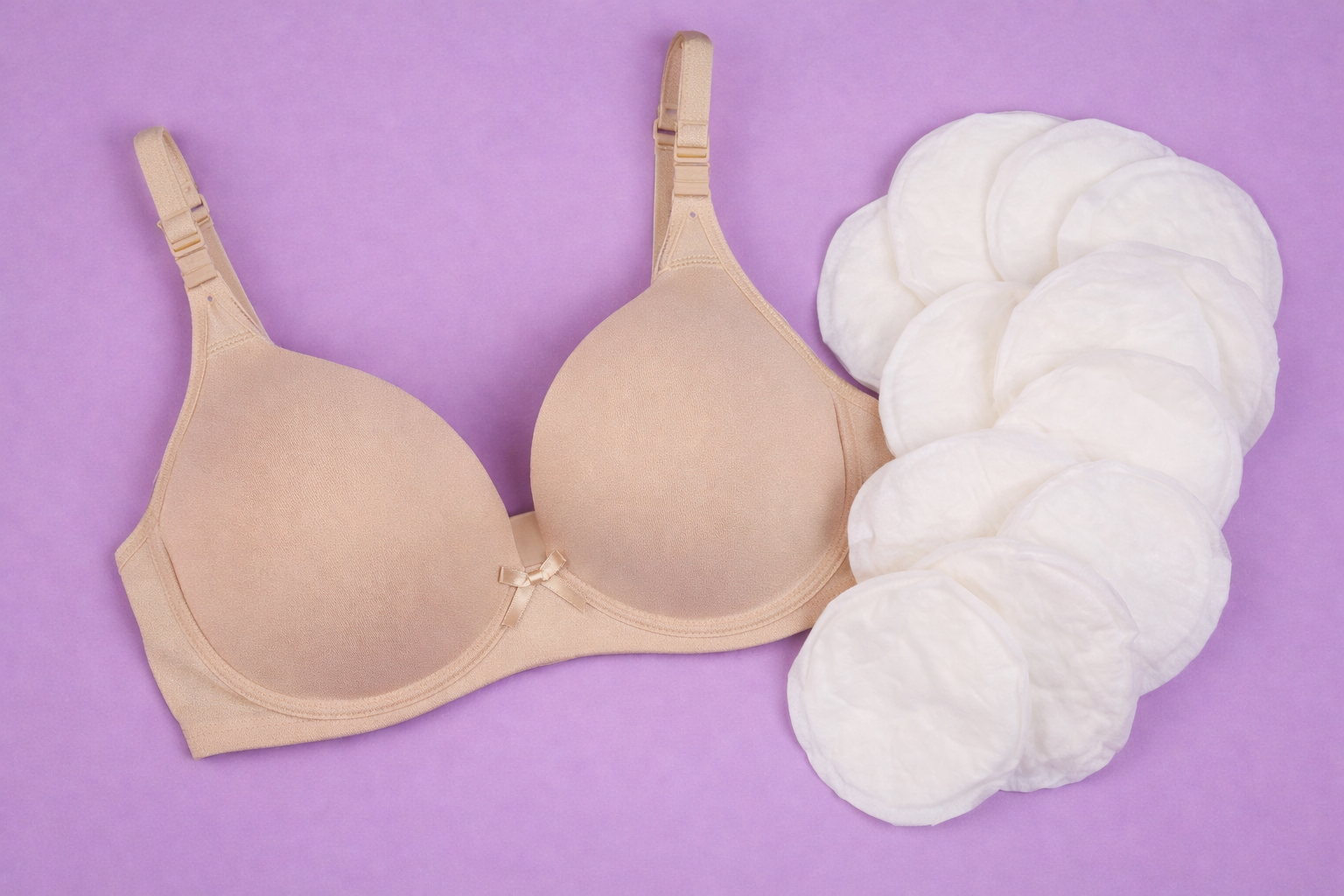
Nipple covers for leaking are helpful when you go out or attend social events. They protect clothing and reduce visible wet patches.
Leaking breast milk can be emotionally uncomfortable in public, but good preparation makes daily routines easier. With the right guidance and support system, new mothers can feel more confident managing these natural challenges. Eureka helps new mothers with the Home Maternity Nurse and Newborn Care Service in Dubai, providing professional care, reassurance, and practical support during the early stages of motherhood.
There are several practical options for managing leaking breast milk.
The most common products are:
Disposable pads are easy to use outside the home. Cloth pads are more comfortable for long hours and sensitive skin. Silicone nipple covers are useful when you want a smooth look under clothing.
When choosing products, consider:
Boob leaking milk protection should always focus on comfort and skin health, especially during the early breastfeeding months.
Heavy leaking is often linked to a strong let-down reflex.
Helpful techniques include:
These simple steps can reduce sudden breast dripping milk and make feeds more comfortable for both mother and baby.
With practice, most mothers learn which positions and routines reduce heavy leakage.
Although leaking is usually harmless, some signs need medical review.
You should speak to a doctor if you notice:
Breast leaking in these situations needs proper examination to rule out infections, duct problems, or other medical conditions.
Early review helps prevent complications and provides peace of mind.
A lactation consultant can help when leaking breasts start affecting feeding, comfort, or your daily routine. You do not have to wait until a serious problem appears.
You should consider booking a lactation consultation if:
A lactation consultant helps you adjust feeding positions, timing, and milk flow control so that leaking breast milk becomes easier to manage. Early guidance also helps prevent blocked ducts, repeated engorgement, and unnecessary worry for new mothers.
Leaking breasts can affect emotional comfort and confidence. Many mothers feel embarrassed when boobs are leaking in public or during family gatherings.
Common emotional concerns include:
It is important to remember that leaking breast milk is not a failure. It is part of how the body supports feeding.
Support from family and simple planning tools can reduce stress and improve daily comfort.
For most mothers, leaking breast milk is strongest in the first two to four months. This period is when milk supply is still adjusting.
Over time:
Some women may notice mild leaking for many months. This is still considered normal if there are no warning signs.
Feeding patterns directly affect boob leaking milk.
Leaking increases when:
Leaking reduces when:
Creating a gentle and predictable routine supports comfort and helps the body regulate milk flow naturally.
Yes. Hearing your baby cry triggers hormones that start milk release. This reflex prepares the breast for feeding and can cause milk to leak even when your baby is not physically near you.
Not always. Leaking mainly shows that your let down reflex is active. Oversupply is diagnosed only when there are other signs such as constant fullness, frequent engorgement, and feeding difficulties.
No. Leaking alone does not confirm how much milk your baby drinks. Good feeding is assessed by baby’s weight gain, wet nappies, alertness, and overall growth.
Yes. Sudden reduction in leaking often happens when milk supply becomes regulated. It does not automatically mean low supply, especially if your baby continues to feed well.
Yes. Mild discharge can occur during pregnancy or hormonal changes. However, leaking outside pregnancy and breastfeeding should be checked by a doctor for safety.
Leaking breasts during breastfeeding is usually a normal and temporary part of your body’s adjustment to feeding. Whether your boobs are leaking at night, during feeds, or unexpectedly during the day, simple habits and comfortable products can help you manage daily life with confidence. Most cases settle naturally as milk supply becomes regulated. Knowing the warning signs and seeking help when needed protects both your physical health and emotional wellbeing during this important stage of motherhood.
Eureka Home Healthcare offers reliable at home medical support for mothers and families of all ages. DHA licensed and experienced nurses provide safe, compassionate, and professional care for breastfeeding support and postnatal needs. The service focuses on affordable, high quality care while ensuring comfort, privacy, and emotional reassurance at home. Mothers and loved ones can receive expert medical attention and gentle guidance without hospital stress, helping recovery and confidence during the early parenting journey.
In the home setting, Nurses play an integral role in the delivery of quality healthcare services that generates trust and collaboration for both the care of the client and the maintenance of health of other family members as well.
Office 107, Business Point Building, Port Saeed, Dubai, United Arab Emirates
Mob : +971 50 3860 777
Tel : +971 4 26 68 222
© 2023 Copyright Eureka Home Health Care | Patient Rights | All rights reserved.
MOH APPROVAL # 17GKT9GT-040725