Author: Eureka Home Health Care

  • Elderly Mobility Problems: Causes, Concerns, and Support Options

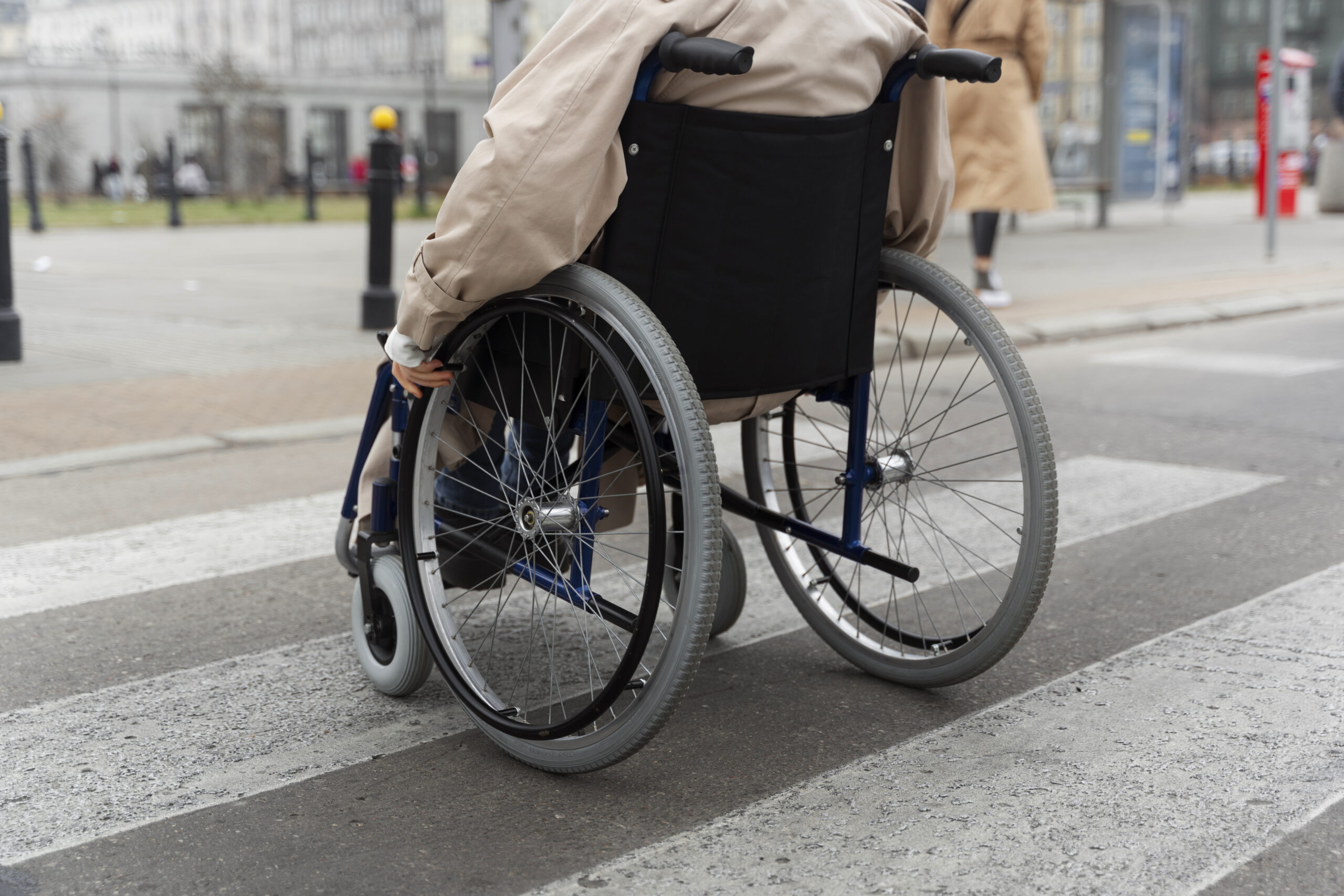
    Elderly person with mobility problems using a walker or receiving assistance

    Elderly Mobility Problems: Causes, Concerns, and Support Options 


    Mobility problems are common among seniors, often resulting from age-related conditions or medical complications. These challenges can significantly impact a person’s ability to remain independent, active, and socially engaged, affecting overall quality of life. Understanding the causes, concerns, and available support options for elderly mobility issues is essential to address these challenges effectively. 


    What Causes Mobility Problems in the Elderly? 

    Mobility problems in old age are influenced by a combination of physical, neurological, and environmental factors. Common causes of mobility impairment include: 

    1. Chronic Conditions: Diseases like arthritis, osteoporosis, and heart disease weaken bones, joints, and muscles, causing mobility difficulties. 
    1. Neurological Disorders: Conditions such as Parkinson’s disease and stroke often lead to reduced mobility in the elderly, affecting balance and coordination. 
    1. Aging Process: Muscle atrophy, reduced bone density, and joint stiffness contribute to age-related mobility issues. 
    1. Medications: Side effects from certain drugs can cause dizziness, weakness, or balance issues, worsening mobility concerns. 
    1. Injuries: Fractures from falls or accidents lead to prolonged recovery times, often resulting in long-term mobility issues for seniors. 


    Concerns Related to Elderly Mobility Problems 

    Elderly mobility problems can have far-reaching consequences beyond physical challenges, including: 

    • Social Isolation: Seniors with mobility difficulties may avoid outings and social events, leading to loneliness and depression. 
    • Decline in Mental Health: Restricted physical activity and independence can contribute to cognitive decline and emotional distress. 
    • Safety Risks: Elderly with mobility issues are more prone to falls, which can result in severe injuries and hospitalization. 
    • Reduced Quality of Life: Loss of independence significantly impacts confidence and the ability to perform daily activities. 


    How to Help Seniors Manage Mobility Issues? 

    While some mobility problems in old age are inevitable, proactive measures can help mitigate their effects and improve overall quality of life: 

    • Staying Active: Regular exercise, like walking or stretching, strengthens muscles and improves flexibility. 
    • Fall Prevention: Remove tripping hazards, ensure proper lighting, and consider installing aids like handrails or Handicare stairlifts to prevent accidents. 
    • Assistive Devices: Canes, walkers, or wheelchairs offer stability and reduce the risk of falls. Consult with a healthcare professional for the best options. 
    • Healthy Lifestyle: Maintaining a balanced diet and healthy weight reduces strain on joints and improves mobility. 
    • Community Engagement: Participation in group activities or exercise classes promotes both physical activity and social connection. 

    Mobility challenges are a common reality for many seniors, but with the right support and interventions, it is possible to maintain independence and a good quality of life. Understanding the causes of mobility problems in the elderly and addressing mobility concerns early can help prevent complications and improve well-being. 

    Services to Support Elderly with Mobility Issues 

    At Eureka, we offer tailored services to assist seniors in maintaining mobility and improving their overall well-being: 

    1. Physiotherapy for Mobility: Our skilled physiotherapists help seniors regain strength, balance, and flexibility, addressing mobility problems in old age effectively. 
    1. At-Home Nursing Services: Professional caregivers provide round-the-clock support for people with mobility issues, including assistance with daily tasks and medication management. 
    1. Emergency Doctor Services: Quick access to medical professionals ensures timely care for conditions like Parkinson’s mobility issues or sudden injuries. 
    1. Palliative Care: Compassionate care for seniors with chronic illnesses, focusing on improving comfort and quality of life. 


    Eureka: Your Partner in Senior Mobility Care 

    At Eureka, we understand the unique challenges faced by seniors with mobility issues. Our dedicated team offers personalized care through physiotherapy, at-home nursing, and palliative care services, empowering seniors to lead active and fulfilling lives. Contact us today to learn how we can support you or your loved ones in overcoming elderly mobility issues and regaining confidence in everyday activities. 

  • Premature Baby Care: Feeding, Nutrition, and Health Tips for Parents

    Premature Baby Care at home in dubai

    Premature Baby Care: Feeding, Nutrition, and Health Tips for Parents 

    Bringing your baby home from the NICU is a joyful moment, but it can also bring a range of emotions, from excitement to anxiety. Ensuring that your baby receives the right care during this critical time is essential. For parents of premature infants, there are several key areas of focus, such as feeding, nutrition, and overall health. At Eureka Home Health Care, we provide specialized premature care at home to support parents and help premature babies thrive after their NICU stay. 

    Feeding and Nutrition for Premature Babies at Home 

    Feeding your premature baby is one of the most important tasks as they need extra nourishment to catch up in growth. Upon discharge, your baby will come home with a customized feeding plan. This could include breastfeeding, bottle-feeding, or in some cases, tube feeding. Premature babies often need more calories, so make sure to follow the plan and consult your pediatrician about any adjustments needed over time. 

    • Breastfeeding: If your baby is able to breastfeed, it’s essential to ensure they are getting enough nutrients. You might need to supplement breast milk with additional vitamins or calories as directed by your doctor. 
    • Bottle Feeding: For babies who can bottle feed, specialized formulas designed for premature infants might be required to provide additional calories and nutrients. 
    • Tube Feeding: Some premature babies may still need tube feeding due to difficulties with sucking or swallowing. Your care team will provide training on how to manage tube feeding at home. 

    Having professional help through premature care at home can ensure proper feeding, whether it’s assisting with tube feeding or helping with breastfeeding techniques. 

    Scheduling Doctor Visits and Specialist Appointments 

    Your baby should see the pediatrician within 2-4 days of discharge from the NICU. This visit will ensure your baby is growing well and meeting developmental milestones. In addition to routine pediatric visits, many premature babies need to see medical specialists such as neurologists, ophthalmologists, and physical therapists. Early-intervention specialists are often necessary to track your child’s progress in areas like motor skills, hearing, and speech. 

    Eureka Home Health Care offers comprehensive premature care at home from NICU, ensuring your baby has all the medical follow-ups they need in the comfort of your own home. 

    Ensuring Safe Sleep for Your Preemie 

    Premature babies sleep more than full-term babies, but often for shorter periods. To reduce the risk of sudden infant death syndrome (SIDS), always place your baby on their back to sleep. Avoid soft bedding, stuffed toys, and pillows in their sleeping area. 

    If your baby has special medical needs, such as oxygen support or monitoring for apnea, our trained professionals can help you use the necessary equipment safely and effectively. 

    Preventing Infections in Premature Babies 

    Premature babies are at higher risk of infections due to their underdeveloped immune systems. It’s crucial to take extra precautions to protect them: 

    • Limit outings to medical visits only, especially during the first few weeks at home. 
    • Avoid crowded places and minimize visitors. Make sure any visitors wash their hands thoroughly before touching your baby. 
    • Keep your baby up to date on vaccinations, and ensure that all household members are vaccinated, including for the flu and pertussis. 

    Our premature care at home services include guidance on infection prevention and assistance with administering necessary vaccines and medical care. 

    Emotional and Physical Support for Parents 

    Caring for a premature baby can be physically and emotionally exhausting, especially in the first few months after bringing them home. It’s important for parents to seek support and take care of their own health during this time. Lean on family, friends, or professional help when needed, and take advantage of parent support groups for advice and encouragement. 

    Give Your Preemie the Best Start with Eureka’s Expert Care 

    At Eureka Home Health Care, we understand the unique challenges of bringing a premature baby home from the NICU. Our experienced team offers specialized premature care at home, helping to ensure your baby receives the best care possible in a loving, familiar environment. From feeding and nutrition to ongoing medical support, we’re here to assist you every step of the way. 

    For more information about our premature care services or to schedule an in-home consultation, contact Eureka Home Health Care today. 

  • Strokes: Symptoms, Causes, Types, and Treatment Options

    stroke symptoms

    Strokes: Symptoms, Causes, Types, and Treatment Options

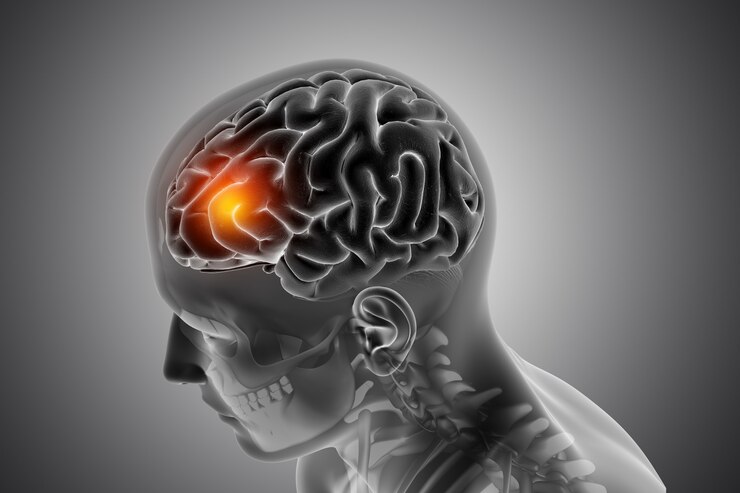
    A stroke, or “brain attack,” happens when blood flow to a part of the brain is interrupted, either due to a blocked or burst blood vessel. Strokes are serious medical emergencies that can lead to lasting damage, disability, or even death if not treated quickly. Let’s look at the symptoms, causes, types, and treatment options for strokes to help you better understand the condition and the importance of prompt intervention.

    Recognizing Stroke Symptoms

    Identifying the symptoms of a stroke early can be life-saving. The acronym FAST is a quick way to remember the main warning signs:

    • Face drooping
    • Arm weakness
    • Speech difficulties
    • Time to call emergency services

    Additional stroke symptoms to watch for include sudden numbness in the face, arm, or leg (especially on one side), confusion, trouble seeing in one or both eyes, severe headache, and difficulty walking or balancing.

    Some symptoms can differ based on gender. Common stroke symptoms in men include facial drooping and slurred speech, while stroke symptoms in women might include fatigue, weakness, or fainting. Recognizing these signs in time can lead to faster intervention and reduce the risk of permanent damage.

    What Causes a Stroke?

    Strokes can have various underlying causes, including cerebrovascular disease (which affects blood flow to the brain), high blood pressure, smoking, obesity, diabetes, and high cholesterol. Each of these factors increases the risk of a brain stroke by contributing to blockages or weakening of blood vessels.

    In women, additional causes may include hormonal factors like pregnancy, use of certain contraceptives, and post-menopausal hormone therapies. Being aware of the causes of a stroke in a woman and understanding individual risk factors is essential to stroke prevention.

    Types of Strokes

    There are several types of strokes, each with distinct characteristics and implications for treatment:

      1. Ischemic Stroke: This is the most common type, accounting for approximately 87% of all strokes. It happens when a blood clot blocks a vessel supplying blood to the brain. Immediate ischemic stroke treatment often involves a medication called tissue plasminogen activator (TPA), which dissolves the clot and restores blood flow.
      2. Hemorrhagic Stroke: This occurs when a weakened blood vessel ruptures, leading to bleeding in the brain. Treatment focuses on controlling bleeding and reducing pressure on the brain, often requiring surgery or other interventions.
      3. Transient Ischemic Attack (TIA) or “Mini-Stroke”: This involves temporary blockage of blood flow to the brain, resulting in mild symptoms that last only a few minutes to a few hours. Often called a “warning stroke,” a TIA indicates a risk of a more serious stroke in the future. Immediate TIA treatment can significantly reduce that risk.
      4. Lateral Medullary Syndrome: A rare type of stroke that affects a specific region of the brain stem, causing distinct symptoms like dizziness, difficulty swallowing, and loss of coordination.
      5. Heat Stroke: Although it’s technically different from other strokes, a heat stroke is another life-threatening condition. It occurs when the body overheats and can lead to brain damage without timely heat stroke treatment.

    Recognizing Mild and Mini Stroke Symptoms

    A mild stroke, also known as a TIA or “mini-stroke,” involves symptoms similar to a full stroke but typically doesn’t cause permanent damage. Mini-stroke symptoms include dizziness, blurred vision, confusion, and transient ischemic attack symptoms like brief muscle weakness or slurred speech. Even though these symptoms are temporary, a TIA is a serious warning and should prompt medical evaluation and TIA treatment to prevent future strokes.

    Stroke Treatment Options

    Effective stroke treatment depends on the type of stroke, the severity of symptoms, and how quickly treatment begins.

    • Ischemic Stroke Treatment: The primary treatment is tissue plasminogen activator TPA, a medication administered within a few hours of symptom onset to dissolve blood clots. Other treatments may include clot-removal procedures.
    • TIA and Mini Stroke Treatment: Early intervention is crucial to prevent a full stroke. Blood thinners, lifestyle changes, and sometimes surgical procedures are recommended to reduce risks.
    • Hemorrhagic Stroke: Treatment focuses on reducing bleeding and controlling brain pressure. Surgical interventions, such as aneurysm clipping or coiling, can help reduce the risk of future bleeding.
    • Heat Stroke Treatment: Requires immediate cooling of the body, often with ice packs or cold water immersion, to prevent brain and organ damage.

    The golden hour concept is critical when dealing with strokes, emphasizing the importance of immediate medical attention within the first hour after symptoms appear. Timely intervention during this period can significantly improve outcomes and reduce long-term complications. Having access to an emergency doctor or a doctor at home ensures prompt assessment and treatment, which is vital for preserving brain function and minimizing damage. Services offering skilled medical professionals at your doorstep can be life-saving, especially when every minute counts. Prioritize health by ensuring you have reliable access to home-based emergency care when needed.

    The Role of Home Nurses in Post-Stroke Care

    After a stroke, ongoing care and monitoring are essential for recovery. Home nurses provide critical support in the post-stroke phase, assisting with daily activities, medication management, and recovery exercises. They help prevent complications such as infections or deep vein thrombosis, which can occur after a stroke. With the expertise of home nurses, stroke survivors receive consistent care in their home environment, which can significantly improve recovery outcomes and reduce the likelihood of re-hospitalization.

    Reducing Complications with Home-Based Stroke Care

    Home-based healthcare services are effective in reducing complications that may arise after a stroke. Nurses and doctors provide continuous monitoring to detect any signs of worsening symptoms, while physiotherapists guide stroke patients through rehabilitation exercises designed to improve mobility and strength. Regular home visits allow for immediate intervention if any health issues arise, helping to avoid unnecessary hospital visits and ensuring a safer recovery process.

    Physiotherapy in Stroke Rehabilitation

    Physiotherapists play a pivotal role in stroke recovery by focusing on restoring mobility and function. They assess each patient’s unique needs and create tailored rehabilitation programs to help stroke survivors regain strength, coordination, and independence. Physiotherapy can address common post-stroke issues such as muscle weakness, balance problems, and limited range of motion. In-home physiotherapy ensures that recovery is managed within the comfort of your environment, promoting a quicker, more efficient return to daily life.

    How Home Healthcare Fits into Each Recovery Stage

    Home healthcare services are beneficial throughout every stage of stroke recovery. During the acute phase, immediate care provided by home doctors can help stabilize the patient. As recovery progresses, home nurses assist with medication management and overall support. Physiotherapists work with patients to restore functionality and help regain movement. This holistic approach ensures a comprehensive recovery journey, from the initial phase of recovery to long-term rehabilitation, without the need for frequent hospital visits.

    Reducing Hospital Visits with In-Home Care

    One of the most significant advantages of home healthcare is the reduction in the need for frequent hospital visits. For stroke survivors, managing care at home allows for a more comfortable and personalized recovery process. With DHA Licensed nurses, and physiotherapists regularly visiting the patient, the need for travel is minimized. This not only makes the process less stressful but also ensures that patients can receive the care they need without the added burden of hospitalization.

    Stroke Rehabilitation with Eureka

    At Eureka, we specialize in stroke rehabilitation services designed to help stroke survivors regain as much independence as possible. Our comprehensive approach includes personalized physical therapy, and nursing care tailored to meet each patient’s unique needs. If you or a loved one has experienced a stroke, our dedicated team at Eureka is here to support you on the road to recovery.

    For expert stroke rehabilitation services, contact Eureka today and take the first step toward a healthier, more independent life.

  • Vitamin D3 Deficiency: Symptoms, Causes, and Treatment Options

    Vitamin D3 supplements and sunlight exposure, key factors in managing vitamin D deficiency and improving health

    Vitamin D3 Deficiency: Symptoms, Causes, and Treatment Options

    Vitamin D3, often called the “sunshine vitamin,” is essential for bone health, immune function, and overall well-being. Despite its importance, many people suffer from Vitamin D3 deficiency due to limited sun exposure, poor diet, or underlying health conditions. This deficiency can lead to fatigue, weakened bones, hair loss, and even mental health issues. Understanding the symptoms, causes, and treatment options is crucial for maintaining optimal health. Read on to explore everything you need to know about Vitamin D3 deficiency, including how to test for it, the best supplements, and effective ways to prevent and manage it.

    What is Vitamin D3 Deficiency

    Vitamin D3 deficiency occurs when your body lacks enough vitamin D3 (cholecalciferol), which is essential for calcium absorption, bone health, immune function, and overall well-being. A deficiency can lead to various health issues, including weakened bones, fatigue, and a compromised immune system.

    Understanding Vitamin D’s Role in Your Body

    Vitamin D plays a crucial role in maintaining strong bones, regulating calcium and phosphate levels, and supporting immune health. It is primarily obtained through sunlight exposure, food, and supplements.

    Common Symptoms of Low Vitamin D Levels

    Vitamin D deficiency often goes unnoticed until symptoms become severe. Common signs include:

    • Fatigue and low energy
    • Bone pain and muscle weakness
    • Frequent infections
    • Mood changes, including depression and anxiety
    • Hair loss
    • Slow wound healing

    Symptoms of Vitamin D Deficiency in Women

    Women may experience additional symptoms such as:

    • Increased risk of osteoporosis
    • Hormonal imbalances
    • Severe PMS symptoms

    Causes of Vitamin D Deficiency

    Several factors contribute to vitamin D deficiency, including:

    • Limited sun exposure
    • Darker skin tones (higher melanin reduces vitamin D absorption)
    • Poor dietary intake
    • Medical conditions affecting vitamin D absorption (e.g., Crohn’s disease, celiac disease)
    • Obesity, which can lead to vitamin D being stored in fat cells rather than circulating in the blood

    How to Test for Vitamin D Deficiency (Home Test & Medical Tests)

    Vitamin D levels can be tested through blood tests, either at home or in a medical setting.

    Home Testing for Vitamin D

    Home test kits allow individuals to check their vitamin D levels conveniently. These kits usually involve a finger-prick blood sample, which is then sent to a lab for analysis.

    While home tests offer convenience, ensure accurate results with professional in-home Vitamin D testing from Eureka Home Health Care. Schedule your appointment today for precise results and personalized advice

    Medical Tests for Vitamin D Deficiency

    A healthcare provider can assess vitamin D levels with a 25-hydroxy vitamin D blood test, which provides an accurate measure of the body’s vitamin D stores.

    Treatment Options for Vitamin D Deficiency

    The treatment for vitamin D deficiency depends on severity and individual health conditions. Options include:

    • Sunlight exposure: Spending 10-30 minutes in direct sunlight several times a week.
    • Dietary sources: Consuming vitamin D-rich foods like fatty fish, fortified dairy products, and egg yolks.
    • Supplements: Taking vitamin D3 supplements to restore adequate levels.

    The Best Vitamin D Supplements for Deficiency

    • Vitamin D3 capsules or tablets – most effective for absorption
    • Vitamin D + K2 supplements – aids in better calcium utilization

    (Disclaimer: The information provided is for educational purposes only and should not replace professional medical advice. For personalized guidance regarding medication and treatment, please consult with your primary healthcare provider.)

    The Impact of Vitamin D Deficiency on Hair Loss

    Vitamin D deficiency is linked to hair thinning and excessive shedding. It plays a role in hair follicle cycling and growth. Low vitamin D levels can contribute to conditions like alopecia.

    How Vitamin D Deficiency Affects Mental Health

    Vitamin D plays a significant role in brain function and emotional well-being. Deficiency has been associated with:

    • Depression and anxiety
    • Increased risk of mood disorders
    • Cognitive decline in older adults

    How to Prevent and Manage Vitamin D Deficiency

    Preventing vitamin D deficiency requires a combination of lifestyle changes and proper nutrition. Steps include:

    • Regular outdoor activity with sun exposure
    • Eating a vitamin D-rich diet
    • Taking supplements when necessary
    • Regular health check-ups to monitor vitamin D levels

    Vitamin D and its Connection to Bone and Joint Health

    Vitamin D deficiency can lead to bone softening (osteomalacia) in adults and rickets in children. It also increases the risk of osteoporosis and joint pain.

    The Connection Between Vitamin D and Energy Levels

    Low vitamin D levels are linked to chronic fatigue and reduced energy levels. Maintaining optimal levels can help improve stamina and overall vitality.

    When Should You Get a Vitamin D Test?

    You should consider testing for vitamin D deficiency if you experience persistent symptoms such as:

    • Chronic fatigue
    • Bone pain
    • Frequent colds and infections
    • Mood swings and depression

    Early detection and treatment can help prevent long-term health complications associated with vitamin D deficiency.


    At-Home Vitamin D Testing in Dubai

    If you’re experiencing fatigue, low energy, bone or muscle weakness, it could be due to Vitamin D3 deficiency. With Eureka’s Vitamin D Test at Home, you can easily check your Vitamin D levels without visiting a clinic.

    Convenient Home Testing – A simple blood test done in the comfort of your home to measure Vitamin D levels accurately.

    Why Test for Vitamin D?

    Vitamin D3 deficiency can affect bone strength, immunity, energy levels, and even mood. Early detection through regular testing helps prevent long-term complications and ensures timely lifestyle or medical interventions. Along with increasing sun exposure and eating Vitamin D-rich foods, knowing your Vitamin D levels allows you to take control of your health.

    With Eureka’s at-home testing and GP consultation, managing Vitamin D deficiency is simple, private, and hassle-free.

  • Postpartum Support for New Moms in Dubai

    Eureka provide postpartum support for new moms in Dubai

    Postpartum Support for New Moms in Dubai

    The arrival of a newborn is a joyous occasion, a time filled with love, wonder, and… exhaustion. Yes, absolutely exhaustion! While the focus is rightfully placed on the precious little one, the postpartum period can be an incredibly challenging time for new mothers in Dubai, just like anywhere else in the world. 

    Between recovering from childbirth, navigating sleep deprivation, and learning the ropes of parenthood, it’s easy to feel overwhelmed. Don’t worry, new moms, you are not alone! Thankfully, there are resources available to help you adjust to motherhood and ensure a smooth transition for both you and your baby. 

    The Importance of Postpartum Support 

    The first few weeks after delivery are crucial for both physical and emotional well-being. While some new mothers experience the “baby blues,” a temporary wave of sadness and anxiety, others may struggle with more serious conditions like postpartum depression or anxiety. 

    Having a strong support system plays a vital role in navigating this sensitive period. Here’s why postpartum support is essential for new moms in Dubai: 

    • Promotes Healing and Recovery: Childbirth takes a toll on the body. Postpartum support, including assistance with breastfeeding, wound care, and pain management, facilitates a smoother physical recovery. 
    • Reduces Stress and Anxiety: New moms are bombarded with questions and uncertainties. Postpartum support can alleviate stress by providing guidance, reassurance, and a listening ear. 
    • Improves Sleep Quality: Sleep deprivation is a common challenge for new mothers. A maternity nurse at home in Dubai can help establish a sleep routine for both you and your baby, allowing you to feel more rested and energized. 
    • Enhances Emotional Well-being: Postpartum depression and anxiety are real concerns. Postpartum support can help identify signs of these conditions and connect mothers with appropriate resources. 
    • Strengthens the Bond with Your Baby: Postpartum support can equip you with the knowledge and confidence to care for your newborn, fostering a stronger connection right from the start. 

    Options for Postpartum Support in Dubai 

    Luckily, there are various options available for new moms in Dubai seeking postpartum support. Here’s a look at some popular choices: 

    • Doulas: Doulas provide emotional and physical support throughout pregnancy, labor, and delivery. Some doulas also offer postpartum support, helping with breastfeeding, newborn care, and emotional well-being. 
    • Lactation Consultants: Lactation consultants are certified professionals specializing in breastfeeding support. They can address latching difficulties, offer pumping advice, and address any breastfeeding challenges you may face. 
    • Maternity Nurses at Home Dubai: Maternity nurses provide comprehensive in-home care for mothers and newborns. Their expertise encompasses newborn care, breastfeeding support, maternal recovery, and emotional well-being. Having a maternity nurse at home Dubai can significantly alleviate the pressure on new moms, allowing them to focus on healing and bonding with their baby. 

    Additional Resources in Dubai 

    • Thrive Wellbeing Centre: Offers therapy and support groups specifically for new mothers dealing with postpartum depression and anxiety. 
    • La Leche League Dubai: Provides breastfeeding support groups and resources for mothers. 
    • Dubai Health Authority (DHA): Offers information and resources on maternal health and postpartum care. 

    Benefits of Home Nursing Services in Dubai for Postpartum Support 

    Choosing home nursing services in Dubai for postpartum support offers several advantages: 

    • Personalized Care: A qualified nurse creates a customized care plan tailored to your specific needs and preferences. 
    • Convenience: Receive expert care and support in the comfort and privacy of your own home. 
    • Continuity of Care: Develop a trusting relationship with your nurse who understands your unique situation. 
    • 24/7 Support: Have access to professional guidance and reassurance whenever needed. 
    • Peace of Mind: Knowing a trained professional is monitoring your health and your baby’s well-being provides a sense of security. 

    Contact Eureka Home Healthcare for New Moms who need Postpartum Support

    At Eureka Home Healthcare, we understand the challenges new mothers face in the postpartum period. We offer experienced and compassionate maternity nurses at Home Dubai who are dedicated to providing comprehensive support for both you and your newborn. 

    Maternity Nurse Support: Our DHA-licensed, pediatric-trained nurses assist with night feeds, baby soothing, and postnatal care, giving mothers the rest they need to recover physically and emotionally.

    Newborn Care at Home: With the support of our DHA-licensed caregivers trained in pediatric care, we provide expert guidance on feeding, establishing sleep routines, and monitoring your baby’s health—ensuring attentive care for your little one while easing the pressure on parents.

    Contact us today to learn more about how our home nursing services in Dubai can empower you to embrace motherhood with confidence. 

  • Postpartum Depression: Symptoms, Causes, and Impact

    postpartum depression

    Postpartum Depression: Symptoms, Causes & Its Impact on Mothers

    Having a baby is a transformative experience that brings joy but can also lead to feelings of overwhelm and fatigue. While it’s normal to feel some anxiety and worry, especially as a first-time parent, persistent feelings of extreme sadness, loneliness, and mood swings may indicate postpartum depression (PPD).

    What is Postpartum Depression?

    Postpartum depression is a type of depression that can occur after childbirth, affecting around 1 in 7 new parents. It’s important to note that PPD can also impact adoptive parents and those who have experienced surrogacy. The rapid hormonal, physical, and emotional changes that accompany the arrival of a new baby can trigger symptoms of postpartum depression.

    If you’re experiencing symptoms, remember that help is available. Your healthcare provider can guide you in managing your feelings and improving your well-being.

    Symptoms

    The symptoms of postpartum depression can vary but often include:

    • Persistent sadness or feelings of worthlessness and guilt.
    • Excessive worrying and feeling anxious.
    • Loss of interest in activities you once enjoyed.
    • Changes in appetite or sleeping patterns.
    • Extreme fatigue and lack of motivation.
    • Frequent crying spells without an apparent cause.
    • Difficulty concentrating or making decisions.
    • Thoughts of self-harm or harming your baby.

    Recognizing these postpartum depression symptoms is crucial for seeking help early on. If you notice these signs lasting longer than two weeks or interfering with your daily life, it’s time to reach out for support.

    Causes

    Several factors can increase the risk of developing postpartum depression, including:

    • A personal or family history of depression or anxiety disorders.
    • Lack of social support.
    • Relationship conflicts or issues with your partner.
    • Ambivalence about the pregnancy or unexpected complications.
    • Age (being under 20) or being a single parent.
    • Having a baby with special needs.

    The hormonal changes after childbirth, combined with social and psychological adjustments, contribute significantly to the onset of postpartum depression.

    The Impact of Postpartum Depression

    Postpartum depression doesn’t only affect the parent; it can also influence the baby. Research indicates that untreated PPD can lead to:

    • Difficulty bonding with the baby.
    • Increased likelihood of behavioural and learning problems in children.
    • Feeding and sleeping issues for the baby.
    • Higher risks of neglect or missed medical appointments for the child.

    Therefore, it is crucial to address postpartum depression not just for the well-being of the parent but also for the healthy development of the child.

    For additional guidance on recovery and care after childbirth, explore our blog on Support for New & First-Time Moms: Practical Tips for Emotional, Physical, and Baby Care After Birth, which offers helpful insights into managing both emotional and physical well-being during the postpartum phase.”

    Seeking Help

    If you suspect you have postpartum depression, it’s essential to seek treatment. This may include therapy, medication, or support groups. You can search for a postpartum therapist near me to find local professionals specializing in this area.

    Book an Appointment for Home Healthcare Services


    Eureka Postpartum Depression Support

    At Eureka, we provide emotional and psychological support for new mothers navigating the challenges of postpartum depression. Our services are designed to help you cope with your feelings and foster a positive connection with your baby.

    In addition to emotional support, we also offer maternity overnight nurse services. These trained professionals can assist you during the night, allowing you to rest and recharge while ensuring your baby receives the care they need. This support can be invaluable in managing the exhaustion that often accompanies the postpartum period and can significantly contribute to improving your overall well-being.

    Adjusting to life with a newborn can be overwhelming, especially when you’re coping with postpartum depression. Eureka’s maternity nurse and newborn care services provide compassionate, professional support right in your home.

    • Maternity Nurse Support: Our trained nurses assist with night feeds, baby soothing, and postnatal care, giving mothers the rest they need to recover physically and emotionally.

    • Newborn Care at Home: From feeding guidance to sleep routines and monitoring your baby’s health, our caregivers ensure your little one receives attentive care while easing the pressure on parents.

    With this extra support, mothers can focus on healing, bonding, and gradually regaining confidence in their parenting journey.

    Remember, you’re not alone in this journey, and support is available to help you feel better. For further information on postpartum depression and to seek help, contact Eureka today.

  • Pelvic Floor Dysfunction: Causes, Symptoms, and Effective Treatment Options

    Person suffering from pelvic pain

    Pelvic Floor Dysfunction: Causes, Symptoms, and Effective Treatment Options

    Pelvic floor dysfunction (PFD) is a common condition affecting individuals of all genders and ages. It occurs when you cannot properly relax and coordinate the pelvic floor muscles necessary for urination and bowel movements. Understanding the causes, symptoms, and effective treatment options can help you manage this condition and improve your quality of life.

    What is Pelvic Floor Dysfunction?

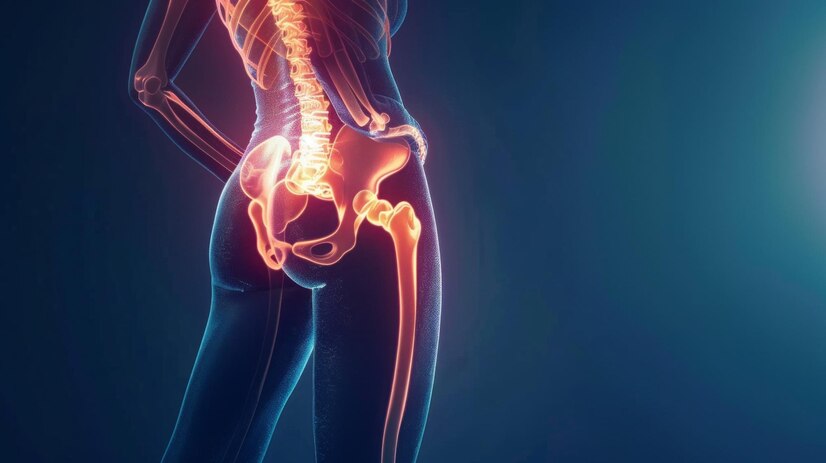
    Pelvic floor dysfunction refers to a range of disorders related to the muscles and connective tissues in the pelvic area. These muscles support vital organs such as the bladder, uterus, and rectum. When these muscles are unable to function properly—either through excessive tension or weakness—it can lead to various issues, including:

    • Trouble urinating or having bowel movements
    • Urinary or fecal incontinence
    • Pelvic pain or discomfort
    • Pain during intercourse (in individuals assigned female at birth)

    Symptoms of Pelvic Floor Dysfunction

    Signs of pelvic floor dysfunction may include:

    • Frequent bathroom visits or urgency to urinate
    • Straining during bowel movements
    • Incomplete bowel evacuation
    • Constipation (up to 50% of those with chronic constipation may also experience pelvic floor dysfunction)
    • Leakage of stool or urine
    • Painful urination
    • Ongoing pelvic pain or low back pain

    Causes of Pelvic Floor Dysfunction

    While the exact cause of pelvic floor dysfunction is often unclear, several factors may contribute to its development:

    • Traumatic Injuries: Accidents or falls that impact the pelvic region.
    • Overuse: Straining during bowel movements or excessive tension in the pelvic muscles.
    • Surgery: Prior pelvic surgeries, such as hysterectomies or prostatectomies.
    • Pregnancy and Childbirth: Especially challenging deliveries can affect pelvic muscle function.
    • Aging: Muscle strength naturally decreases over time.
    • Stress and Anxiety: Emotional factors can contribute to muscle tension.
    • Connective Tissue Disorders: Conditions that affect tissue elasticity may also play a role.

    Diagnosis and Testing

    To diagnose pelvic floor dysfunction, a healthcare provider will typically take a comprehensive medical history and may perform a physical exam. Diagnostic tests can include:

    • Anorectal Manometry: Measures the function of the anal sphincters and the pelvic floor muscles.
    • Defecating Proctogram: Assesses how well you can start and complete a bowel movement.
    • Urodynamics: Evaluates bladder function and the ability to urinate effectively.

    Treatment Options for Pelvic Floor Dysfunction

    Effective treatment for pelvic floor dysfunction focuses on restoring normal function without resorting to surgery. Common treatment options include:

    1. Pelvic Floor Physical Therapy: A specialized physical therapist can help identify muscle tension and teach exercises to improve coordination and strength.
    2. Biofeedback: Often combined with physical therapy, biofeedback uses sensors to monitor pelvic floor muscle activity, helping patients learn to relax and contract these muscles appropriately.
    3. Medications: Over-the-counter stool softeners can help maintain regular bowel movements, reducing straining and discomfort.
    4. Relaxation Techniques: Methods such as meditation, yoga, and acupuncture may alleviate muscle tension and promote relaxation.
    5. Trigger Point Injections: If conservative treatments don’t work, injection therapy may help relieve tension in overly tight pelvic muscles.

    Book an appointment with our Home Healthcare Specialist


    Outlook and Prognosis

    Many individuals experience improvements in their symptoms with consistent treatment, particularly with pelvic floor physical therapy and biofeedback. However, pelvic floor dysfunction typically does not resolve on its own, making it crucial to seek a diagnosis and appropriate care.

    Pelvic floor dysfunction is a manageable condition that requires awareness and proactive treatment. If you’re experiencing symptoms of pelvic floor dysfunction, consider consulting a healthcare provider who specializes in this area.

    Eureka Post-Delivery Recovery Physiotherapy

    At Eureka, we offer tailored post-delivery recovery physiotherapy services to help new mothers regain strength and address any pelvic floor issues that may arise during childbirth. Our trained physiotherapists are dedicated to providing compassionate care, guiding you through effective exercises, and ensuring a smooth recovery. Contact us today to learn more about how we can support your journey to recovery and wellness.

  • Pain Management for Cancer Patients: At-Home Pain Relief Solutions

    In-Home Palliative Care for Cancer Patients in Dubai

    Pain Management for Cancer Patients: At-Home Pain Relief Solutions


    Cancer Pain

    Cancer pain can arise from the disease itself or as a side effect of treatment. It can vary widely in intensity and type, including:

    • Bone Pain: Often described as a dull ache or throbbing sensation.
    • Nerve Pain: Characterized by burning or tingling sensations, sometimes due to nerve damage from cancer or its treatment.
    • Soft Tissue Pain: This type of pain may feel sharp or cramping, depending on the affected areas.
    • Phantom Pain: Pain experienced in an area that has been surgically removed.
    • Referred Pain: Pain felt in one area due to issues in another part of the body.

    Recognizing the type of pain you’re experiencing is essential for effective oncology pain management.

    At-Home Pain Relief Solutions

    Here are some effective strategies for cancer pain relief at home:

    1. Heat and Cold Therapy

    • Heat Therapy: Warm packs or heating pads can soothe muscle spasms and promote blood circulation. Apply heat for 10-20 minutes, but avoid areas with recent radiation treatment or tumors.
    • Cold Therapy: Cold packs wrapped in cloth can reduce inflammation and numb nerve pain. Use cold therapy for similar durations.

    2. Over-the-Counter Medications

    Non-opioid pain relief medicines, such as acetaminophen or NSAIDs (e.g., ibuprofen), can be effective for mild to moderate pain. Always consult your healthcare provider before starting any medication.

    3. Mind-Body Techniques

    • Meditation and Mindfulness: These practices can help reduce the perception of pain and improve emotional well-being.
    • Guided Imagery: Visualizing a peaceful scene can distract from pain and promote relaxation.

    4. Physical Activity

    Engaging in gentle exercises, like walking or stretching, can help alleviate some types of pain and improve overall well-being. Always discuss your activity plan with your healthcare provider.

    5. Acupuncture and Massage

    These complementary therapies may help alleviate cancer pain and improve comfort. Consult your healthcare team to find qualified practitioners.

    When to Seek Professional Help

    While at-home solutions can be effective, it’s essential to communicate with your healthcare provider about your pain levels and treatment plans. If your pain escalates or if at-home methods aren’t providing sufficient relief, consider discussing additional options such as:

    • Prescription Medications: Opioids and other stronger pain relief medicines may be necessary.
    • Pain Management Specialists: Look for local resources for cancer pain management near you.
    • Palliative Care: Our trained caregivers provide personalized palliative care, focusing on symptom management and emotional support to enhance the quality of life.
    • At-Home Nursing Services: From administering cancer-related IV drips to wound care and vital monitoring, our skilled nurses deliver professional medical assistance in the comfort of your home.
    • Emotional Support: Living with cancer can be emotionally taxing. We provide counseling and companionship to support patients and their families through challenging times.

    Pain management for cancer patients is vital to maintaining quality of life during treatment. At Eureka, we encourage you to explore at-home pain relief solutions that work for you. Remember, effective communication with your healthcare team is key to finding the best strategies for your specific needs. Together, we can work towards achieving optimal cancer pain relief and improving your overall experience.

    Book an appointment with our Home Healthcare Specialist

    At-Home Palliative Care for Cancer Patients

    If you or a loved one are seeking compassionate support during cancer treatment, Eureka offers specialized at-home palliative care services. Our dedicated caregivers are trained to provide personalized care, pain management, and emotional support, ensuring comfort and dignity. Contact us today to learn how we can help you navigate this challenging journey with care and compassion.

  • High Uric Acid at Home: Causes, Symptoms, and Treatment Options

    Older hand highlighting joints, related to managing high uric acid and gout symptoms

    What is Uric Acid, and Why Does It Matter?

    Uric acid is a natural waste product formed when the body breaks down purines, substances found in certain foods and drinks. Normally, uric acid dissolves in the blood and is excreted through the kidneys. However, when the body produces excess uric acid or does not eliminate enough, it accumulates in the blood, leading to hyperuricemia. This can result in joint pain, kidney stones, and other health complications.

    Causes of High Uric Acid Levels

    Several factors can contribute to high uric acid levels, including:

    • Diet: Consuming purine-rich foods like red meat, organ meats, and shellfish.
    • Alcohol and Sugary Drinks: Beverages with high fructose corn syrup and excessive alcohol intake can raise uric acid levels.
    • Obesity: Excess weight increases uric acid production and reduces its excretion.
    • Medical Conditions: Diabetes, high blood pressure, and kidney disease can contribute to hyperuricemia.
    • Medications: Diuretics and immunosuppressants may increase uric acid levels.
    • Genetics: A family history of gout or kidney stones raises the risk of high uric acid levels.

    Symptoms of High Uric Acid in the Body

    High uric acid levels do not always cause symptoms, but when they do, they may include:

    • Joint pain and swelling: Gout attacks cause severe pain, redness, and stiffness, usually in the big toe.
    • Kidney stones: Symptoms include lower back pain, nausea, blood in the urine, and difficulty urinating.
    • Persistent fatigue: Some individuals with high uric acid levels experience tiredness and general discomfort.

    The Impact of High Uric Acid on Health

    High Uric Acid and Joint Pain: Managing Gout at Home

    Excess uric acid can crystallise in the joints, leading to gout, a painful form of arthritis. Gout attacks are sudden and severe, often occurring at night. The affected joint becomes swollen, red, and extremely tender. Managing uric acid levels through diet and lifestyle changes can help reduce the frequency and severity of gout attacks.

    Can High Uric Acid Lead to Kidney Stones?

    Uric acid crystals can accumulate in the kidneys, forming kidney stones that cause intense pain, nausea, and urinary issues. Drinking plenty of water helps flush out excess uric acid and prevents kidney stone formation.

    How High Uric Acid Affects Overall Well-being

    Research suggests that high uric acid levels may contribute to serious health conditions such as heart disease, high blood pressure, and diabetes. Controlling uric acid through diet and lifestyle modifications is essential for maintaining overall health.

    Effective Home Treatments for High Uric Acid

    Diet Recommendations: Foods to Eat and Avoid

    • Limit purine-rich foods: Reduce intake of red meat, organ meats, shellfish, mushrooms, and asparagus.
    • Choose low-purine foods: Opt for lean meats, fat-free dairy products, fruits, and vegetables.
    • Increase fibre intake: Foods like oats, barley, vegetables, dried fruits, and nuts help regulate uric acid.
    • Boost vitamin C intake: Citrus fruits, bell peppers, and vitamin C supplements can help lower uric acid.
    • Avoid alcohol and sugary drinks: Limit beer, soft drinks, and sweetened beverages.

    Hydration and Lifestyle Changes for Uric Acid Control

    Maintaining a healthy weight is crucial, as obesity raises uric acid levels. Regular exercise supports metabolism and reduces flare-ups. Managing stress is also important, as high stress can trigger inflammation and worsen gout symptoms. Staying hydrated helps flush out excess uric acid, reducing the risk of kidney stones and gout attacks.

    Home Remedies to Naturally Reduce Uric Acid Levels

    • Apple cider vinegar: Mixing a tablespoon of raw, unfiltered apple cider vinegar with warm water daily may help.
    • Herbal supplements: Turmeric and omega-3 fatty acids support joint health and reduce inflammation.
    • Coffee consumption: Moderate coffee intake may lower the risk of gout attacks.

    Exercises and Physiotherapy for Uric Acid-Induced Joint Pain

    Low-impact exercises such as walking, swimming, and stretching can help reduce joint pain and improve mobility. Physiotherapy can also help strengthen affected joints and alleviate discomfort associated with high uric acid levels.

    When to Seek Professional Help?

    How Eureka Home Healthcare Can Assist in Uric Acid Management

    Eureka Home Healthcare provides expert medical guidance for managing high uric acid levels. Our team offers personalised consultations, dietary recommendations, and physiotherapy to help reduce symptoms and prevent complications.

    In-Home Medical Consultation and Physiotherapy for Uric Acid-Related Pain

    Eureka’s in-home medical services include expert assessments, treatment plans, and physiotherapy sessions to relieve joint pain caused by high uric acid levels. Patients receive tailored care to improve mobility and overall well-being.

    Medication and Long-Term Uric Acid Control

    Medications such as uricosurics or xanthine oxidase inhibitors may be required to lower uric acid levels. A healthcare provider can determine the best course of treatment based on individual needs.

    Key Takeaways for Managing High Uric Acid at Home

    Managing high uric acid levels requires a combination of dietary adjustments, lifestyle changes, and natural remedies. Staying hydrated, exercising regularly, and avoiding purine-rich foods can help prevent gout attacks and kidney stones. For individuals experiencing severe symptoms, professional medical support from Eureka Home Healthcare can provide personalised solutions for effective long-term uric acid management.

  • Leukemia: Types, Symptoms, and Treatment Options

    Leukemia: Types, Symptoms, and Treatment Options