
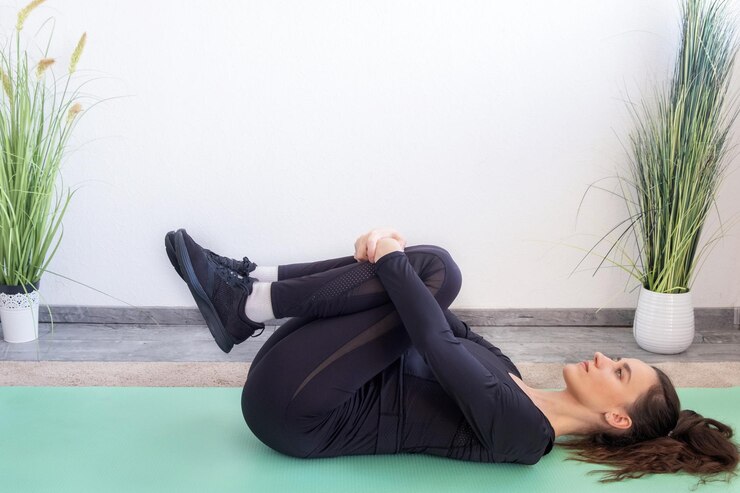
Kegel exercises are simple yet powerful movements that help strengthen the pelvic floor muscles. These muscles support important organs like the bladder, uterus, and bowel, playing a key role in bladder control, bowel movements, and sexual health. Many women experience weakened pelvic floor muscles due to pregnancy, aging, or surgery, leading to issues like incontinence or discomfort. By practicing Kegel exercises regularly, women can improve muscle strength, prevent health problems, and enhance overall well-being in a natural and effective way.
What Are Kegel Exercises for Women
Kegel exercises are simple yet highly effective workouts that help strengthen the pelvic floor muscles. These muscles support the bladder, uterus, and bowels, playing a crucial role in controlling urination, bowel movements, and sexual function. Named after Dr. Arnold Kegel, who introduced them in the 1940s, these exercises can benefit women of all ages, particularly those experiencing pregnancy, postpartum recovery, or age-related pelvic floor weakness.
By regularly practicing Kegel exercises, women can improve bladder control, reduce the risk of pelvic organ prolapse, and enhance sexual pleasure. These exercises are easy to perform and can be done discreetly while sitting, standing, or lying down.
The Many Benefits of Kegel Exercises for Women’s Health
Kegel exercises offer numerous advantages for women’s overall health and well-being. Some of the most notable benefits include:
How to Do Kegel Exercises: A Step-by-Step Guide
Performing Kegel exercises correctly is essential to experience their full benefits. Follow these simple steps to strengthen your pelvic floor:
It is important not to hold your breath or contract your abdominal, thigh, or buttock muscles while performing Kegels. Focus solely on engaging your pelvic floor.
Best Kegel Exercise Devices for Women
For those who find it difficult to isolate pelvic floor muscles or want to enhance their routine, Kegel exercise devices can be helpful. Some popular options include:
Kegel Exercises for Bladder Control and Incontinence
One of the primary reasons women turn to Kegel exercises is to improve bladder control. Weak pelvic floor muscles can lead to urinary leakage during activities like sneezing, coughing, or exercising. By consistently practicing Kegels, women can:
Pelvic Floor Exercises for Women Over 40: Why They Matter
As women age, the pelvic floor muscles naturally weaken due to hormonal changes, loss of muscle tone, and reduced collagen production. This can lead to issues such as:
Regularly incorporating Kegel exercises into daily routines can help women maintain pelvic strength, prevent age-related complications, and improve their overall quality of life.
Kegel Exercises for Pregnancy and Postpartum: Tips and Benefits
Pregnancy puts immense pressure on the pelvic floor muscles, often leading to incontinence, discomfort, and weaker vaginal muscles. Doing Kegels during pregnancy and postpartum can:
Women should start with gentle Kegel exercises and gradually increase intensity post-delivery. Consulting a healthcare provider before beginning is recommended.
Intimate Rose Kegel Weights: How They Can Help
Intimate Rose Kegel weights are a popular tool designed specifically for women who want to enhance their Kegel workouts. These medical-grade silicone weights come in different sizes, allowing users to progress gradually. Benefits include:
Using Kegel weights for just 15 minutes a day can significantly improve muscle tone over time.
Kegel Exercises for Elderly Women
Elderly women often experience significant pelvic floor weakening due to hormonal changes and muscle atrophy. This can lead to frequent urination, leaks, and discomfort. Simple, seated or lying-down Kegel exercises can help older women regain muscle control and prevent urinary incontinence.
Common Signs of Weak Pelvic Floor Muscles and How Kegel Exercises Help
Women with weak pelvic floor muscles may experience:
By performing Kegels regularly, women can improve their muscle strength, regain bladder and bowel control, and enhance their intimate health.
The Most Effective Kegel Exercises and Devices for Beginners
For beginners, the best approach is to start with basic contractions and gradually introduce resistance devices like Kegel balls or vaginal cones. Consistency is key, and results can typically be noticed within six to eight weeks of regular practice.
How Often Should You Do Kegel Exercises for Best Results?
To see noticeable improvements, it’s recommended to perform:
Within a few months, women should experience better control, reduced leaks, and stronger pelvic muscles.
Strengthening Exercises and Postpartum Pelvic Floor Exercises by Eureka
At Eureka, we understand the importance of pelvic health and offer specialized programs designed to support women at different life stages. Our Strengthening Exercises focus on improving pelvic muscle endurance, while our Pelvic Floor Postpartum Exercises help new mothers recover from childbirth and regain strength effectively.
By incorporating targeted Kegel exercises into your daily routine, you can enjoy better bladder control, improved sexual health, and enhanced overall well-being. If you’re looking for expert guidance and effective rehabilitation, Eureka’s specialized programs can help you achieve optimal pelvic floor health.
In the home setting, Nurses play an integral role in the delivery of quality healthcare services that generates trust and collaboration for both the care of the client and the maintenance of health of other family members as well.
Office 107, Business Point Building, Port Saeed, Dubai, United Arab Emirates
Mob : +971 50 3860 777
Tel : +971 4 26 68 222
© 2023 Copyright Eureka Home Health Care | Patient Rights | All rights reserved.
MOH APPROVAL # NGBTGZGQ-010726