
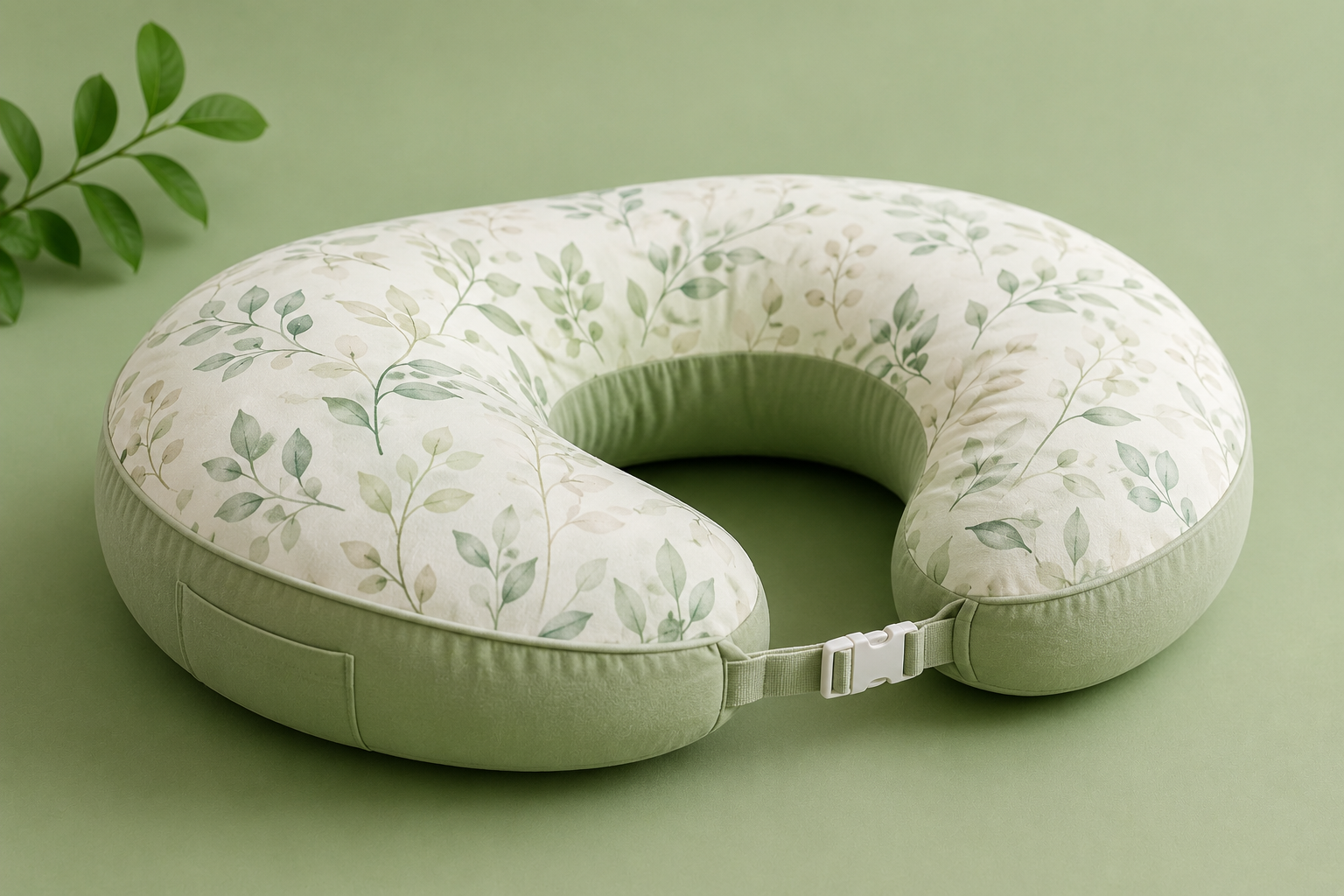
Many new mothers experience severe back pain while breastfeeding and assume it is a normal part of caring for a newborn. In many cases, the real cause is not breastfeeding itself, but the way the baby is being held during feeds. Read on to learn how breastfeeding posture, feeding habits, and expert guidance from a lactation consultant can help reduce discomfort and make feeding sessions more comfortable for both mother and baby.
After childbirth, a mother’s body continues to recover from major physical changes. Weak muscles, hormonal changes, and long feeding sessions can place extra pressure on the back, shoulders, and neck.
During pregnancy, muscles that support the back and abdomen stretch significantly. After delivery, these muscles may remain weak for some time, making it harder to maintain proper posture while holding and feeding a baby several times each day.
To learn how home physiotherapy can relieve post-delivery body pain and support spinal recovery, read Post Delivery Body Pain: How Physiotherapy at Home Helps Recovery.
Breastfeeding sessions often happen every few hours, including during the night. Sitting in the same position repeatedly and holding a baby for long periods can strain the lower back, upper back, shoulders, and neck muscles.
Need help with breastfeeding or newborn feeding challenges? Connect with our certified lactation consultant in Dubai. Talk to Our Lactation Expert
Many cases of breastfeeding back pain can be improved with simple position adjustments. Lactation consultants regularly identify posture habits that place unnecessary stress on a mother’s body.
Many mothers lean forward toward the baby during feeding. This position causes the shoulders to round and increases pressure on the neck and lower back, leading to discomfort that can gradually become severe over time.
Chairs without support and poorly placed pillows can force muscles to work harder. Proper breastfeeding pillow support helps keep the baby at breast level, reducing strain on the back and helping maintain a more comfortable position.
Using only one breastfeeding position throughout the day may place repeated stress on the same muscle groups. Changing positions occasionally can help distribute pressure more evenly and reduce soreness during long feeding periods.
Good breastfeeding posture helps keep the spine aligned and reduces pressure on muscles. Small adjustments can make feeding sessions more comfortable and support better postpartum recovery.
Many lactation consultants recommend trying different nursing positions for newborns until mothers find one that feels comfortable while maintaining proper support.
Different breastfeeding positions place different levels of pressure on the spine, shoulders, and neck. Choosing the right position can help reduce breastfeeding back pain and improve comfort during longer feeding sessions.
Breastfeeding Position | Stress on Neck | Stress on Back | Best For |
Supported Cradle Hold | Moderate | Moderate | Daily feeding sessions |
Cross Cradle Hold | Moderate | Low to Moderate | Newborn latch support |
Football Hold | Low | Low | C section recovery |
Side Lying Position | Very Low | Very Low | Night feeds and recovery |
Unsupported Cradle Hold | High | High | Generally not recommended |
Reclined Breastfeeding | Low | Low | Mothers with back discomfort |
Best Position for Most Mothers: Side lying and football hold positions often provide the least spinal stress when performed with proper support.
Speak with our experienced lactation specialist for support with latching, milk supply, and infant feeding concerns. Expert Breastfeeding Support at Eureka
Our guide on Why Is Your Infant Not Drinking Milk? Causes, Signs, and What You Should Do Immediately helps parents understand feeding difficulties, warning signs, and when to seek medical support for infants
Small posture problems can gradually lead to severe back pain while feeding your baby. If several of these signs sound familiar, it may be time to review your breastfeeding posture.
Lactation consultants frequently observe mothers bringing their bodies toward the baby instead of bringing the baby toward the breast. This simple habit often creates excessive strain on the neck, shoulders, and lower back.
Women’s health physiotherapists commonly report that postpartum muscle weakness contributes significantly to breastfeeding posture problems. Core muscles and pelvic support structures need time to recover after pregnancy and delivery, making proper positioning especially important during the first months after birth.
Expert Tip: The baby’s nose should be level with the nipple before feeding begins. This helps reduce the need to lean forward and supports a more neutral spine position.
Many mothers receive advice that can make breastfeeding discomfort seem unavoidable. In reality, most breastfeeding related back pain can be improved.
Myth: Back pain is a normal part of breastfeeding.
Fact: Mild soreness can occur, but severe pain often signals posture problems.
Myth: Mothers should lean forward to help the baby latch.
Fact: The baby should be brought to the breast instead.
Myth: Using pillows is unnecessary.
Fact: Proper support can significantly reduce muscle strain.
Myth: One breastfeeding position works for everyone.
Fact: Different mothers benefit from different feeding positions.
Myth: Back pain will disappear automatically.
Fact: Position corrections often speed recovery and reduce discomfort.
Night feeds can place extra stress on the body because mothers are often tired and less aware of their posture. Small adjustments can make overnight feeding much more comfortable.
Recovery after a cesarean delivery requires extra care because abdominal muscles are healing. Certain breastfeeding positions can reduce pressure on the surgical area while supporting comfortable feeding.
Football Hold: Keeps the baby’s weight away from the incision area and allows better control during positioning.
Side Lying Position: Reduces abdominal strain and allows mothers to rest while feeding.
Supported Reclined Position: Helps decrease pressure on the abdomen while maintaining comfortable spinal alignment.
Helpful Recovery Tips After a C Section:
Most breastfeeding related back pain improves with better positioning. However, severe or persistent symptoms may indicate another health issue that requires professional evaluation.
Back pain that continues despite posture changes may be linked to muscle injuries, nerve irritation, pelvic instability, or other postpartum conditions. Symptoms such as numbness, tingling, shooting pain down the leg, or difficulty walking should not be ignored.
A healthcare provider may evaluate conditions such as sciatica, pelvic girdle dysfunction, diastasis recti, or spinal problems. Early assessment can help identify the cause and support a safer recovery process while continuing breastfeeding whenever possible.
A lactation consultant does more than help with latching concerns. They also assess feeding positions, body mechanics, and breastfeeding routines that may contribute to physical discomfort.
Proper breastfeeding support can often reduce pain quickly by correcting posture and improving feeding techniques. Many consultants work alongside physiotherapists and maternal health professionals to help mothers feed comfortably and protect their long term musculoskeletal health.
Breastfeeding support is just one aspect of postpartum recovery. New mothers also benefit from guidance on physical recovery, emotional well-being, and newborn care. Learn more in Support for New & First-Time Moms: Practical Tips for Emotional, Physical, and Baby Care After Birth.
How Lactation Consultants Help New Mothers: Personalized assessments identify feeding habits causing unnecessary physical strain.
Severe back pain while breastfeeding is not something mothers simply have to accept. In many cases, improving breastfeeding posture, using proper support, and seeking help from a lactation consultant can make a significant difference. Early action can reduce discomfort, support recovery after pregnancy, and help mothers enjoy a more comfortable breastfeeding experience while caring for their baby.
Breastfeeding challenges can feel overwhelming, especially when they affect your comfort and recovery. Eureka Home Healthcare provides reliable lactation consultant services at home in Dubai for mothers and newborns. Our DHA licensed and experienced healthcare professionals offer safe, compassionate, and professional support tailored to your needs. With a focus on affordable, high quality care, families can receive expert breastfeeding guidance, maternal support, and personalized assistance at home without the stress of hospital visits.
Can breastfeeding alone cause severe back pain?
Breastfeeding itself usually does not cause severe back pain. The most common reason is poor breastfeeding posture, unsupported sitting positions, repetitive feeding routines, and muscle weakness that can occur during postpartum recovery.
Which breastfeeding position is best for preventing back pain?
There is no single best position for every mother. Side lying, football hold, and supported cradle positions are commonly recommended because they help maintain better spinal alignment and reduce muscle strain.
Should I see a lactation consultant for breastfeeding related back pain?
Yes. A lactation consultant can assess your feeding position, baby placement, and latch technique. Small adjustments often reduce back, neck, and shoulder discomfort while supporting more comfortable breastfeeding sessions.
Why does my upper back hurt more than my lower back while nursing?
Upper back pain often develops from rounded shoulders and leaning forward repeatedly during feeds. This posture places extra stress on muscles between the shoulders and around the neck.
Can poor latch contribute to back and shoulder pain?
Yes. When a baby has a poor latch, mothers often adjust their position repeatedly or lean forward during feeding. This can increase pressure on the shoulders, neck, and back muscles.
Is back pain during breastfeeding more common after a C section?
Yes. Mothers recovering from a cesarean delivery may experience additional discomfort because abdominal muscles need time to heal. Certain breastfeeding positions can help reduce strain during recovery.
When should breastfeeding related back pain be evaluated by a doctor?
Seek medical advice if pain becomes severe, lasts for several weeks, includes numbness or tingling, spreads down the legs, or affects your ability to perform daily activities comfortably.
In the home setting, Nurses play an integral role in the delivery of quality healthcare services that generates trust and collaboration for both the care of the client and the maintenance of health of other family members as well.
Office 107, Business Point Building, Port Saeed, Dubai, United Arab Emirates
Mob : +971 50 3860 777
Tel : +971 4 26 68 222
© 2023 Copyright Eureka Home Health Care | Patient Rights | All rights reserved.
MOH APPROVAL # NGBTGZGQ-010726