
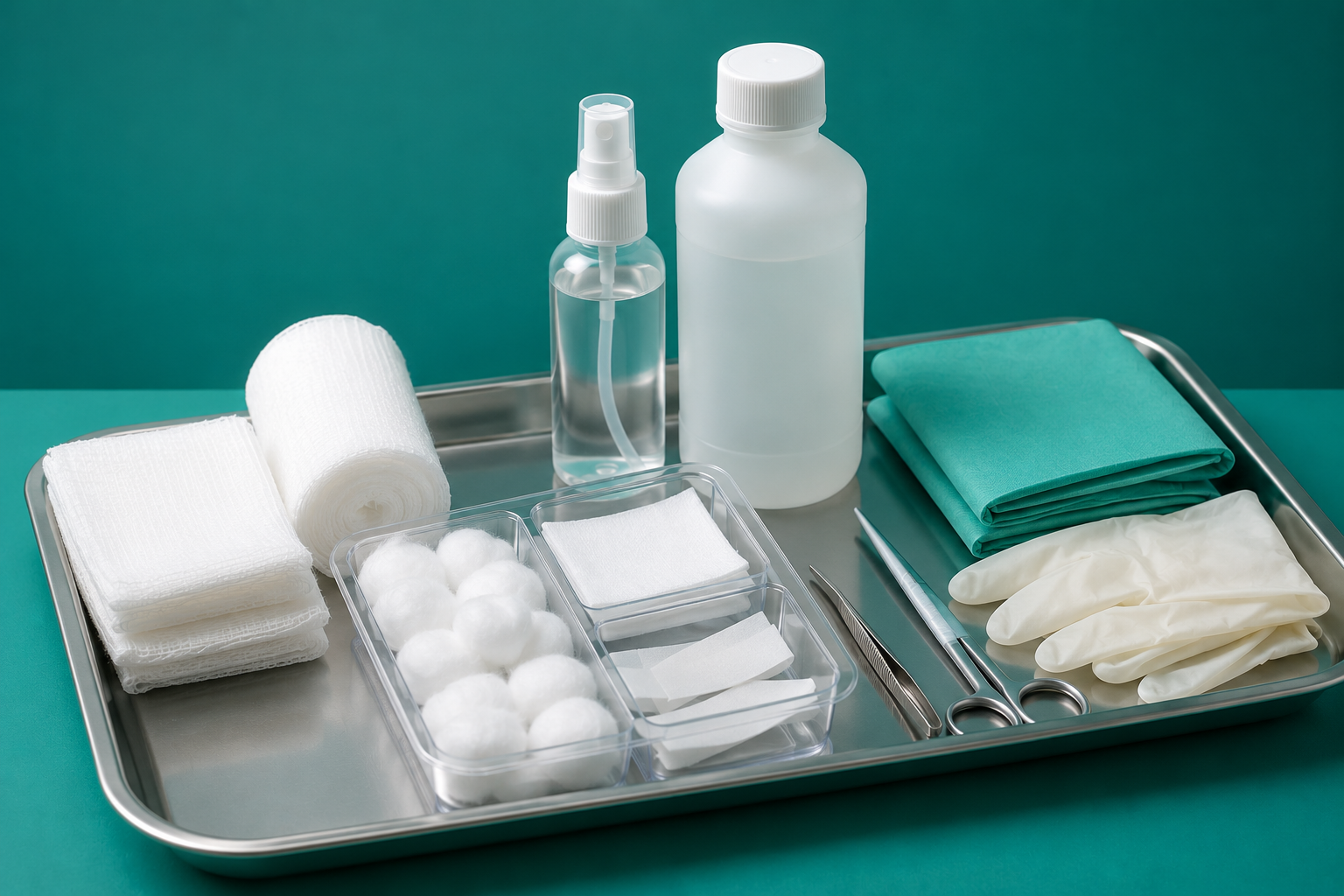
Recovering from a cesarean section takes time, especially during the first few weeks at home. Proper c section wound care is important because even a small infection can delay healing and make recovery more difficult. Many mothers are unsure which symptoms are normal and which require medical attention. Read on to learn how to keep your incision clean, recognize warning signs early, and support safe healing after a C section.
Proper surgical dressing plays an important role in preventing infection and promoting healing after a C-section. Learn more in How Surgical Dressing at Home Helps Reduce Infection Risks After Operations.
A C section wound infection, also called a surgical site infection, occurs when bacteria enter the cesarean incision and affect the healing process. It may develop days or weeks after delivery and can cause redness, swelling, pain, fever, or drainage from the wound. Early identification and proper post cesarean wound care can help prevent complications and support faster recovery. Knowing the difference between normal healing and infection is important during the first weeks at home.
How a Surgical Site Infection Develops: Several factors can increase the risk of bacteria entering the cesarean incision and affecting the healing process.
Women Who May Face Higher Infection Risk: Certain health conditions and lifestyle factors can make post cesarean wound infections more likely.
Good cesarean wound care at home helps reduce infection risk and supports healthy healing. Small daily habits often make a significant difference during the first few weeks of postpartum recovery.
Speak with our skilled wound care nursing team for expert support with incision care, dressing changes, infection prevention, and post-surgical wound healing.
Some mothers may find wound care difficult after returning home, especially if movement is limited or dressing changes are challenging. Home nursing for C section recovery can provide professional support when proper wound dressing, monitoring, and infection prevention require extra attention during postpartum healing.
Skilled nursing services may be recommended for high risk mothers, women with existing wound complications, or those advised by their physician to receive additional care. During home visits, nurses monitor healing progress, check for C section wound infection symptoms, assess wound dressings, identify early warning signs, and help support safe recovery.
Patients recovering from accident-related injuries often require skilled wound dressing alongside rehabilitation to promote safe healing and restore mobility. Learn more in Managing Post Accident Injuries With At Home Rehab.
Preventing a c section wound infection is often easier than treating one after it develops. Following hospital discharge instructions, maintaining proper incision hygiene, and monitoring healing progress every day can reduce the risk of complications. If unusual symptoms appear, seeking medical advice early can help avoid more serious problems. For mothers who need extra assistance, professional wound care support can provide additional confidence and comfort during recovery.
Choosing the right post-surgical support often includes home physiotherapy, which can help restore mobility, reduce pain, and promote a smoother recovery. Learn more in Post Surgery Physiotherapy at Home Recovery Timeline and Expectations.
Eureka Home Healthcare offers reliable at home medical support for mothers recovering after a cesarean section. DHA licensed and experienced nurses provide safe, compassionate, and professional care, including wound dressing, health monitoring, and recovery assistance. With a focus on affordable, high quality service, patients and their loved ones can receive the medical attention, comfort, and support they need at home, without the stress and inconvenience of frequent hospital visits.
Is it normal for a C section wound to feel itchy while healing?
Yes, mild itching is often a normal part of healing because new tissue is forming around the incision. However, severe itching accompanied by redness, swelling, or discharge should be evaluated by a healthcare professional.
How can I tell the difference between normal healing and infection?
Normal healing may include mild soreness and slight itching. Infection symptoms often include increasing redness, worsening pain, swelling, fever, pus drainage, or a foul smell coming from the incision area.
How long does a C section incision take to heal completely?
The outer incision usually heals within several weeks, but complete internal healing can take longer. Recovery time varies depending on overall health, wound care practices, and individual healing rates.
Can I shower every day after a C section?
Many women can shower after a C section if their healthcare provider approves. The incision should be cleaned gently and dried carefully afterward to help prevent moisture related wound complications.
What foods support C section wound healing?
Protein rich foods, fruits, vegetables, whole grains, and adequate fluids help support tissue repair and recovery. Good nutrition plays an important role in reducing healing delays and supporting overall postpartum health.
When should I contact my doctor about my C section scar?
Contact your doctor if you notice increasing redness, swelling, fever, pus drainage, severe pain, wound opening, or any symptom that appears to worsen instead of improve during recovery.
Can home nursing services help prevent C section wound complications?
Yes, skilled nursing services can help with wound dressing, healing assessments, infection monitoring, and recovery guidance. Professional support may reduce the risk of complications and encourage safer healing at home.
How can I prevent a C section wound infection at home?
Keep the incision clean and dry, follow your doctor’s wound care instructions, avoid unnecessary touching, wear loose clothing, maintain good hygiene, and watch for redness, swelling, fever, or drainage.
What are the first signs of a C section wound infection?
Early signs often include increasing redness, swelling, warmth, worsening pain, fever, foul smelling discharge, or pus coming from the incision site.
When should I seek medical help for a C section wound?
Seek medical attention if you develop fever, spreading redness, significant swelling, wound drainage, severe pain, or if the incision begins to open during recovery.
In the home setting, Nurses play an integral role in the delivery of quality healthcare services that generates trust and collaboration for both the care of the client and the maintenance of health of other family members as well.
Office 107, Business Point Building, Port Saeed, Dubai, United Arab Emirates
Mob : +971 50 3860 777
Tel : +971 4 26 68 222
© 2023 Copyright Eureka Home Health Care | Patient Rights | All rights reserved.
MOH APPROVAL # NGBTGZGQ-010726