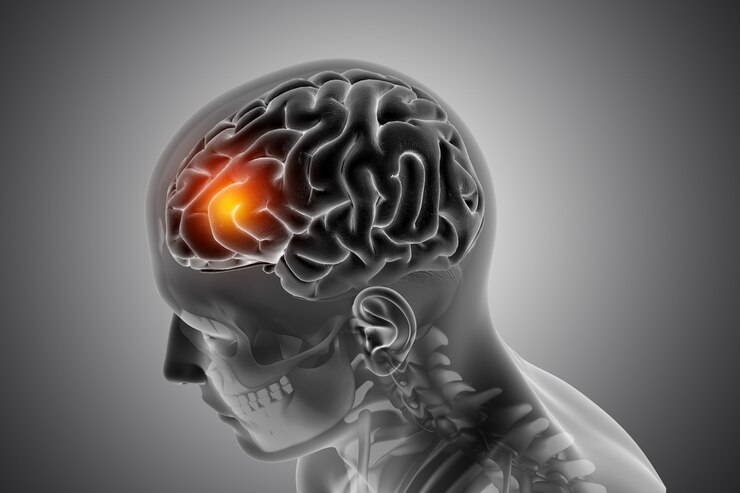
A stroke, or “brain attack,” happens when blood flow to a part of the brain is interrupted, either due to a blocked or burst blood vessel. Strokes are serious medical emergencies that can lead to lasting damage, disability, or even death if not treated quickly. Let’s look at the symptoms, causes, types, and treatment options for strokes to help you better understand the condition and the importance of prompt intervention.
Identifying the symptoms of a stroke early can be life-saving. The acronym FAST is a quick way to remember the main warning signs:
Additional stroke symptoms to watch for include sudden numbness in the face, arm, or leg (especially on one side), confusion, trouble seeing in one or both eyes, severe headache, and difficulty walking or balancing.
Some symptoms can differ based on gender. Common stroke symptoms in men include facial drooping and slurred speech, while stroke symptoms in women might include fatigue, weakness, or fainting. Recognizing these signs in time can lead to faster intervention and reduce the risk of permanent damage.
Strokes can have various underlying causes, including cerebrovascular disease (which affects blood flow to the brain), high blood pressure, smoking, obesity, diabetes, and high cholesterol. Each of these factors increases the risk of a brain stroke by contributing to blockages or weakening of blood vessels.
In women, additional causes may include hormonal factors like pregnancy, use of certain contraceptives, and post-menopausal hormone therapies. Being aware of the causes of a stroke in a woman and understanding individual risk factors is essential to stroke prevention.
There are several types of strokes, each with distinct characteristics and implications for treatment:
A mild stroke, also known as a TIA or “mini-stroke,” involves symptoms similar to a full stroke but typically doesn’t cause permanent damage. Mini-stroke symptoms include dizziness, blurred vision, confusion, and transient ischemic attack symptoms like brief muscle weakness or slurred speech. Even though these symptoms are temporary, a TIA is a serious warning and should prompt medical evaluation and TIA treatment to prevent future strokes.
Effective stroke treatment depends on the type of stroke, the severity of symptoms, and how quickly treatment begins.
The golden hour concept is critical when dealing with strokes, emphasizing the importance of immediate medical attention within the first hour after symptoms appear. Timely intervention during this period can significantly improve outcomes and reduce long-term complications. Having access to an emergency doctor or a doctor at home ensures prompt assessment and treatment, which is vital for preserving brain function and minimizing damage. Services offering skilled medical professionals at your doorstep can be life-saving, especially when every minute counts. Prioritize health by ensuring you have reliable access to home-based emergency care when needed.
After a stroke, ongoing care and monitoring are essential for recovery. Home nurses provide critical support in the post-stroke phase, assisting with daily activities, medication management, and recovery exercises. They help prevent complications such as infections or deep vein thrombosis, which can occur after a stroke. With the expertise of home nurses, stroke survivors receive consistent care in their home environment, which can significantly improve recovery outcomes and reduce the likelihood of re-hospitalization.
Home-based healthcare services are effective in reducing complications that may arise after a stroke. Nurses and doctors provide continuous monitoring to detect any signs of worsening symptoms, while physiotherapists guide stroke patients through rehabilitation exercises designed to improve mobility and strength. Regular home visits allow for immediate intervention if any health issues arise, helping to avoid unnecessary hospital visits and ensuring a safer recovery process.
Physiotherapists play a pivotal role in stroke recovery by focusing on restoring mobility and function. They assess each patient’s unique needs and create tailored rehabilitation programs to help stroke survivors regain strength, coordination, and independence. Physiotherapy can address common post-stroke issues such as muscle weakness, balance problems, and limited range of motion. In-home physiotherapy ensures that recovery is managed within the comfort of your environment, promoting a quicker, more efficient return to daily life.
Home healthcare services are beneficial throughout every stage of stroke recovery. During the acute phase, immediate care provided by home doctors can help stabilize the patient. As recovery progresses, home nurses assist with medication management and overall support. Physiotherapists work with patients to restore functionality and help regain movement. This holistic approach ensures a comprehensive recovery journey, from the initial phase of recovery to long-term rehabilitation, without the need for frequent hospital visits.
One of the most significant advantages of home healthcare is the reduction in the need for frequent hospital visits. For stroke survivors, managing care at home allows for a more comfortable and personalized recovery process. With DHA Licensed nurses, and physiotherapists regularly visiting the patient, the need for travel is minimized. This not only makes the process less stressful but also ensures that patients can receive the care they need without the added burden of hospitalization.
At Eureka, we specialize in stroke rehabilitation services designed to help stroke survivors regain as much independence as possible. Our comprehensive approach includes personalized physical therapy, and nursing care tailored to meet each patient’s unique needs. If you or a loved one has experienced a stroke, our dedicated team at Eureka is here to support you on the road to recovery.
For expert stroke rehabilitation services, contact Eureka today and take the first step toward a healthier, more independent life.
In the home setting, Nurses play an integral role in the delivery of quality healthcare services that generates trust and collaboration for both the care of the client and the maintenance of health of other family members as well.
Office 107, Business Point Building, Port Saeed, Dubai, United Arab Emirates
Mob : +971 50 3860 777
Tel : +971 4 26 68 222
© 2023 Copyright Eureka Home Health Care | Patient Rights | All rights reserved.
MOH APPROVAL # NGBTGZGQ-010726