
Many mothers worry about low breast milk supply during the first few weeks after delivery. Frequent crying, cluster feeding, and soft breasts can make mothers feel their baby is not getting enough milk. In many cases, breast milk production improves with better feeding habits, hydration, rest, and proper latch support. Read on to learn simple and natural ways to increase breast milk supply and support healthy breastfeeding for your baby.
Breast milk supply can reduce due to several physical, emotional, and feeding related reasons. Some mothers experience temporary low supply after delivery, while others may face breastfeeding challenges because of poor latch, stress, or recovery after childbirth.
Many mothers mistake cluster feeding and soft breasts as signs of low milk supply. Pediatricians and lactation consultants explain that frequent nursing is often normal during growth spurts. Soft breasts can also mean your body is adjusting milk production according to your baby’s feeding needs.
Need help with breastfeeding or newborn feeding challenges? Connect with our certified lactation consultant in Dubai. Talk to Our Lactation Expert
Breast milk production usually works through a supply and demand process. The more effectively milk is removed from the breasts, the more signals the body receives to continue producing milk naturally.
Frequent breastfeeding helps stimulate prolactin and oxytocin hormones that support breast milk production. Many pediatricians recommend feeding babies around 8 to 12 times daily, including night feeds. Responsive feeding, instead of waiting for fixed timings, helps improve milk supply naturally.
A deep latch allows better milk transfer and reduces nipple pain during breastfeeding. Skin to skin contact also encourages feeding hormones and improves baby feeding response. Side lying and football hold positions may help some mothers breastfeed more comfortably. Breast compression and switching breasts during feeds can also improve milk flow.
Using a breast pump between breastfeeding sessions may help stimulate extra milk production. Power pumping and pumping after nursing can signal the body to produce more milk. Double electric pumps may save time and improve milk removal for some mothers experiencing low supply.
Postpartum fatigue, stress, and poor recovery can affect breastfeeding hormones and milk production. Maintaining hydration balance, eating healthy foods, and improving rest may support better breastfeeding results. Mothers with iron deficiency or nutritional deficiencies may also benefit from proper postpartum nutrition guidance.
Many mothers notice changes within a few days after increasing feeding frequency, improving latch, and adding pumping sessions. Consistency is important for better milk production results.
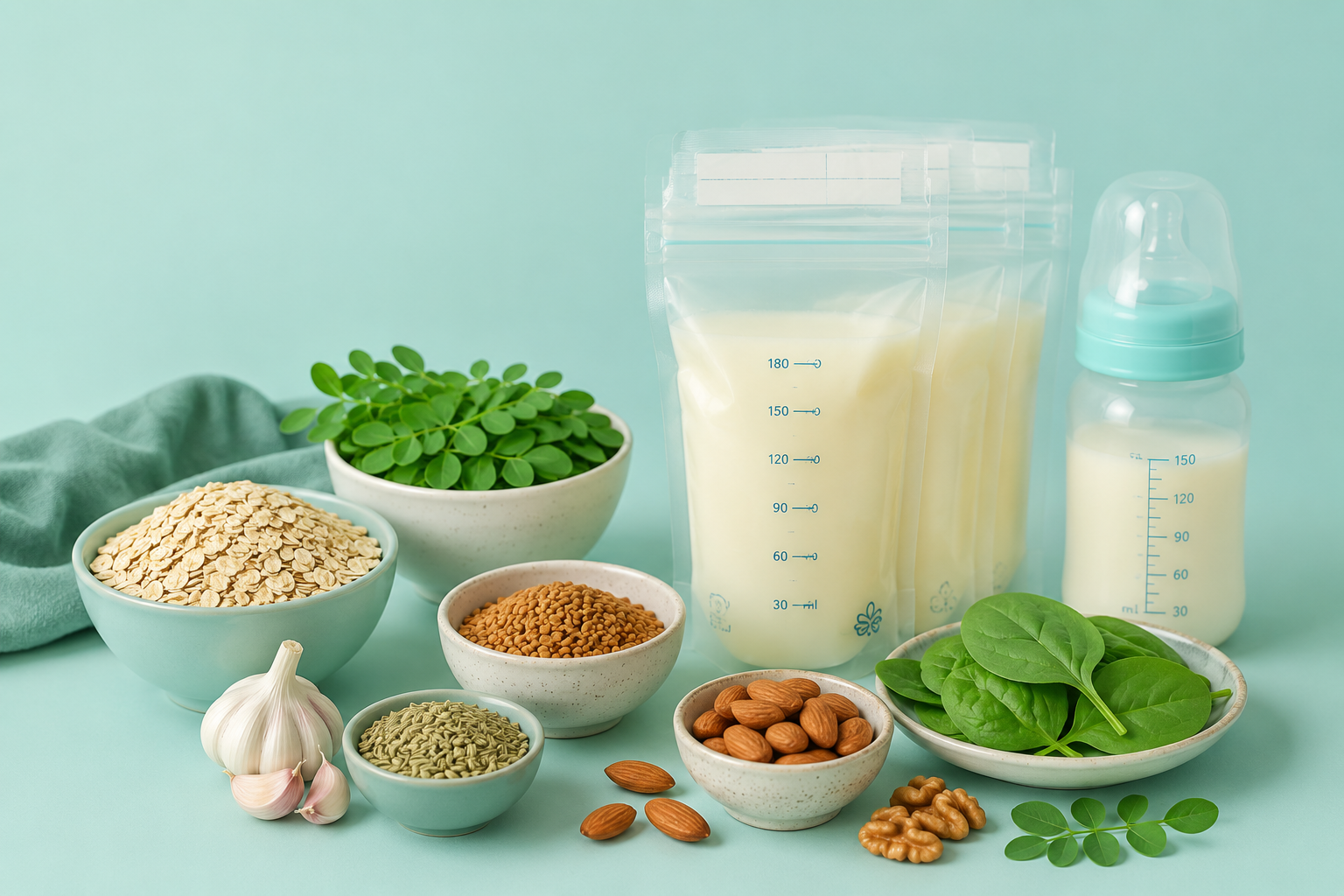
Oats, fenugreek, fennel, moringa, leafy greens, healthy fats, and protein rich foods are commonly included in breastfeeding diets to support milk production naturally.
High stress levels and lack of sleep may affect oxytocin release, which supports milk flow during breastfeeding. Relaxation and recovery can help improve feeding sessions.
Certain lactation foods and postpartum nutrition choices may support healthy breastfeeding. While foods alone may not solve low milk supply, they can support overall recovery and milk production alongside frequent feeding.
Speak with our experienced lactation specialist for support with latching, milk supply, and infant feeding concerns. Expert Breastfeeding Support at Eureka
Our guide on Why Is Your Infant Not Drinking Milk? Causes, Signs, and What You Should Do Immediately helps parents understand feeding difficulties, warning signs, and when to seek medical support for infants
Some daily habits may reduce breast milk production without mothers realizing it. Correcting these habits early may help improve breastfeeding success and milk supply naturally.
• Skipping feeds reduces regular milk production signals
• Excessive pacifier use delaying breastfeeding hunger cues
• Smoking and alcohol affecting breastfeeding hormone balance
• Believing dehydration myths without balanced nutrition intake
• Feeding baby using strict timed schedules only
• Early solid introduction reducing breastfeeding feeding frequency
• Stress and anxiety affecting milk flow reflexes
• Incorrect pump flange size reducing milk removal
If breastfeeding pain, low milk supply, or latch problems continue despite frequent feeding and pumping, it may help to speak with a certified lactation consultant. Professional support may be important for mothers facing tongue tie concerns, persistent nipple pain, recurrent blocked ducts, low baby weight gain, or breastfeeding after a NICU stay. Lactation consultants can provide latch assessment, feeding observation, pumping guidance, and personalized breastfeeding plans. Pediatricians and breastfeeding medicine specialists may also help identify medical or hormonal causes affecting milk supply.The World Health Organization and UNICEF also encourage breastfeeding support and early guidance for mothers facing feeding difficulties during the postpartum period.
Many breastfeeding challenges improve with patience, frequent feeding, proper latch techniques, hydration, rest, and professional support when needed. Low milk supply does not always mean breastfeeding will fail. Early action and the right breastfeeding guidance can help mothers feel more confident and support healthy feeding for their babies during the newborn stage.
Eureka Home Healthcare provides reliable breastfeeding and lactation support at home in Dubai for mothers and newborns of all ages and needs. Our DHA licensed and experienced nurses and lactation professionals offer safe, compassionate, and professional care in the comfort of your home. From breastfeeding guidance to postpartum support, we focus on affordable and high quality care without the stress of hospital visits. Mothers and babies can receive personalized attention, comfort, and medical support in a calm home environment.
How can I increase my breast milk supply fast naturally?
Increasing breast milk supply fast naturally usually involves frequent breastfeeding, responsive feeding, proper latch correction, hydration, pumping after feeds, and improving postpartum rest and recovery.
Which foods help produce more breast milk?
Foods that help produce more breast milk may include oats, fenugreek, fennel, moringa, leafy greens, nuts, seeds, healthy fats, and protein rich meals.
Can stress and lack of sleep reduce breast milk supply?
Stress and lack of sleep can reduce breast milk supply because stress hormones may affect oxytocin release and interfere with healthy milk flow during feeds.
How do I know if my baby is getting enough breast milk?
Knowing if your baby is getting enough breast milk usually depends on wet diapers, healthy weight gain, active swallowing, and baby satisfaction after feeds.
Does pumping help increase milk production?
Pumping helps increase milk production by removing extra milk and signaling the body to continue producing more breast milk through supply and demand stimulation.
Is low milk supply common after a C section?
Low milk supply after a C section is common for some mothers because recovery pain, delayed feeding, stress, and fatigue may temporarily affect breastfeeding.
When should I see a lactation consultant for breastfeeding problems?
Seeing a lactation consultant for breastfeeding problems is important when nipple pain, poor latch, blocked ducts, or low milk supply continue despite regular feeding efforts.
In the home setting, Nurses play an integral role in the delivery of quality healthcare services that generates trust and collaboration for both the care of the client and the maintenance of health of other family members as well.
Office 107, Business Point Building, Port Saeed, Dubai, United Arab Emirates
Mob : +971 50 3860 777
Tel : +971 4 26 68 222
© 2023 Copyright Eureka Home Health Care | Patient Rights | All rights reserved.
MOH APPROVAL # NGBTGZGQ-010726