
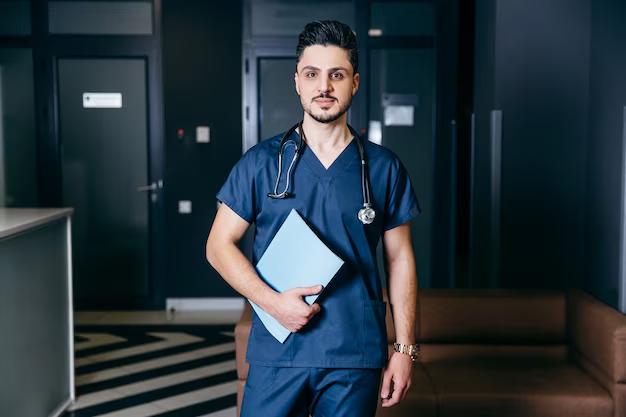
Choosing between a male nurse and a caregiver for home medical care can be confusing, especially when your loved one needs the right level of support. Each role serves a different purpose, from medical care to daily assistance. Making the wrong choice can affect recovery, safety, and comfort. Read on to compare both options and confidently choose the right care based on your patient’s actual needs.
A home nurse delivers professional medical care, manages treatment plans, monitors health conditions, and supports safe recovery with clinical expertise in a home setting.
A home nurse provides medical care such as administering injections, managing medications, monitoring vital signs, and assisting with wound care. They follow treatment plans and ensure safe recovery, especially after hospital discharge or during ongoing medical conditions.
Our guide on Wound Care & Dressing Nurse Visit Charges: Everything You Need to Know explains the factors affecting home nursing costs, dressing procedures, and what patients can expect during at-home wound care services
Clinical skills and certifications
Nurses are trained and licensed professionals with clinical knowledge and hands on experience. They are qualified to handle medical equipment, perform procedures, and respond to emergencies, making them suitable for patients who need skilled healthcare support at home.
A nurse is required when the patient needs medical supervision, such as after surgery, during serious illness, or when regular monitoring of health conditions is necessary to prevent complications and ensure proper treatment at home.
A caregiver supports daily living activities, provides emotional comfort, and helps patients maintain independence while ensuring a safe and supportive home environment .
A caregiver helps with daily activities such as bathing, dressing, feeding, and mobility support. They assist patients in maintaining routine and independence, making daily life easier for elderly or recovering individuals at home.
Caregivers provide companionship and emotional support, helping reduce loneliness and stress. They engage with patients, offer comfort, and create a supportive environment that improves mental well being and overall quality of life.
Caregiver support is best for individuals who do not need medical care but require help with daily living. It is suitable for elderly care, mobility support, and long term assistance at home.
Factor | Male Nurse | Caregiver |
Training and certification | Licensed with formal medical education and clinical training | Basic training focused on daily care support |
Medical care capability | Can provide medical treatment, injections, and monitor health conditions | Cannot perform medical procedures or clinical treatments |
Monitoring and emergency handling | Can handle emergencies, monitor vitals, and respond quickly | Limited to basic observation and support, not emergency care |
Daily assistance level | Provides both medical and some personal care | Focuses mainly on daily activities and personal assistance |
Patient condition suitability | Suitable for post surgery, illness, and critical care | Suitable for elderly care and non medical support needs |
Choosing between a nurse and a caregiver depends on the patient’s medical needs, level of independence, and type of support required at home for safe care.
After Post Surgical Care, a nurse is usually required for wound care, medication management, and monitoring recovery progress. Caregivers may assist with daily support alongside medical care.
For elderly patients who need help with walking, eating, and daily routine, a caregiver is often enough. A nurse may be added if there are medical conditions requiring supervision.
Patients with Chronic Illness may need a nurse for regular monitoring and treatment. Caregivers support daily living but cannot manage medical needs alone in such cases.
Bedridden or critical patients require skilled medical attention, making a nurse essential. Caregivers can assist with hygiene and comfort, but cannot replace clinical care required in such situations.
Choosing the right support depends on both clinical ability and personal care skills. It is important to assess experience, communication, and safety awareness before hiring for home care services.
Clinical and non clinical skills: Ability to perform medical tasks accurately or assist with daily activities based on patient needs and condition
Communication ability: Clear, respectful communication with patients and family ensures better understanding, comfort, and proper care coordination at home
Patient safety awareness: Identifies risks, follows safety protocols, and responds quickly to emergencies to ensure patient protection and wellbeing
Hygiene and care standards: Maintains cleanliness, follows proper sanitation practices, and ensures a healthy environment for safe and effective care
Yes, combining a nurse and caregiver provides complete care. The nurse handles medical needs while the caregiver supports daily activities. This approach improves recovery, reduces family stress, and ensures the patient receives both clinical and personal care in a balanced way.
Many people assume caregivers can replace nurses or that home care is only for elderly patients. In reality, each role serves a different purpose and supports different levels of care.
Caregivers can replace nurses: Caregivers support daily needs but cannot perform medical procedures, administer injections, or handle clinical monitoring required for complex conditions
Nurses only work in hospitals: Nurses also provide professional medical care at home, including wound care, injections, monitoring, and recovery support for patients
Home care is only for elderly: Home care supports patients of all ages, including children, adults, post surgery recovery cases, and individuals with chronic conditions
Home care is always expensive: Home care can be cost effective compared to hospital stays, especially for long term care, recovery, and routine medical support
Only bedridden patients need home care: Mobile patients also benefit from home care for therapy, medication management, monitoring, and assistance with daily routines
Family members can handle all care: Professional caregivers and nurses ensure proper techniques, safety, and medical accuracy that untrained family members may not provide
Caregivers require no training: Skilled caregivers undergo training in hygiene, patient handling, and basic health monitoring to provide safe and reliable home support
Choosing between a male nurse and a caregiver depends on the level of care required. Nurses provide medical support, while caregivers assist with daily living. The right choice improves safety, recovery, and comfort at home. In many cases, combining both offers the best results, especially for patients with complex needs. Always consider the patient’s condition, medical requirements, and daily support needs before making a decision.
Eureka Home Healthcare provides professional male nurse at home services in Dubai for patients who require skilled medical care with comfort and privacy. With DHA licensed and experienced male nurses, patients receive safe, respectful, and reliable treatment without hospital stress. The service focuses on affordable, high quality care, ensuring proper medical attention at home. Whether for post surgery recovery, elderly care, or ongoing medical needs, expert male nursing support is available at your doorstep.
A nurse is better for medical care and monitoring, while a caregiver is suitable for daily support. The choice depends on the patient’s condition and level of care needed.
After surgery, a nurse is usually needed for medical care and monitoring. A caregiver can assist with daily activities alongside nursing support if required.
Caregivers are not trained for medical emergencies. A nurse is required to handle urgent health situations and provide proper medical intervention when needed.
A home nurse should have proper licensing, clinical training, and experience in patient care, along with the ability to handle medical procedures and emergencies.
Yes, a male nurse is suitable for elderly care, especially when medical support, monitoring, and physical assistance are required for better safety and recovery.
Caregivers can assist with basic medication reminders, but they cannot administer complex treatments or medical procedures without proper medical training.
Choose based on patient needs. Medical conditions require a nurse, while daily support needs can be managed by a caregiver at home.
Home nursing is safe when provided by trained professionals. Nurses ensure proper monitoring, timely care, and medical support for critical patients at home.
In the home setting, Nurses play an integral role in the delivery of quality healthcare services that generates trust and collaboration for both the care of the client and the maintenance of health of other family members as well.
Office 107, Business Point Building, Port Saeed, Dubai, United Arab Emirates
Mob : +971 50 3860 777
Tel : +971 4 26 68 222
© 2023 Copyright Eureka Home Health Care | Patient Rights | All rights reserved.
MOH APPROVAL # NGBTGZGQ-010726