
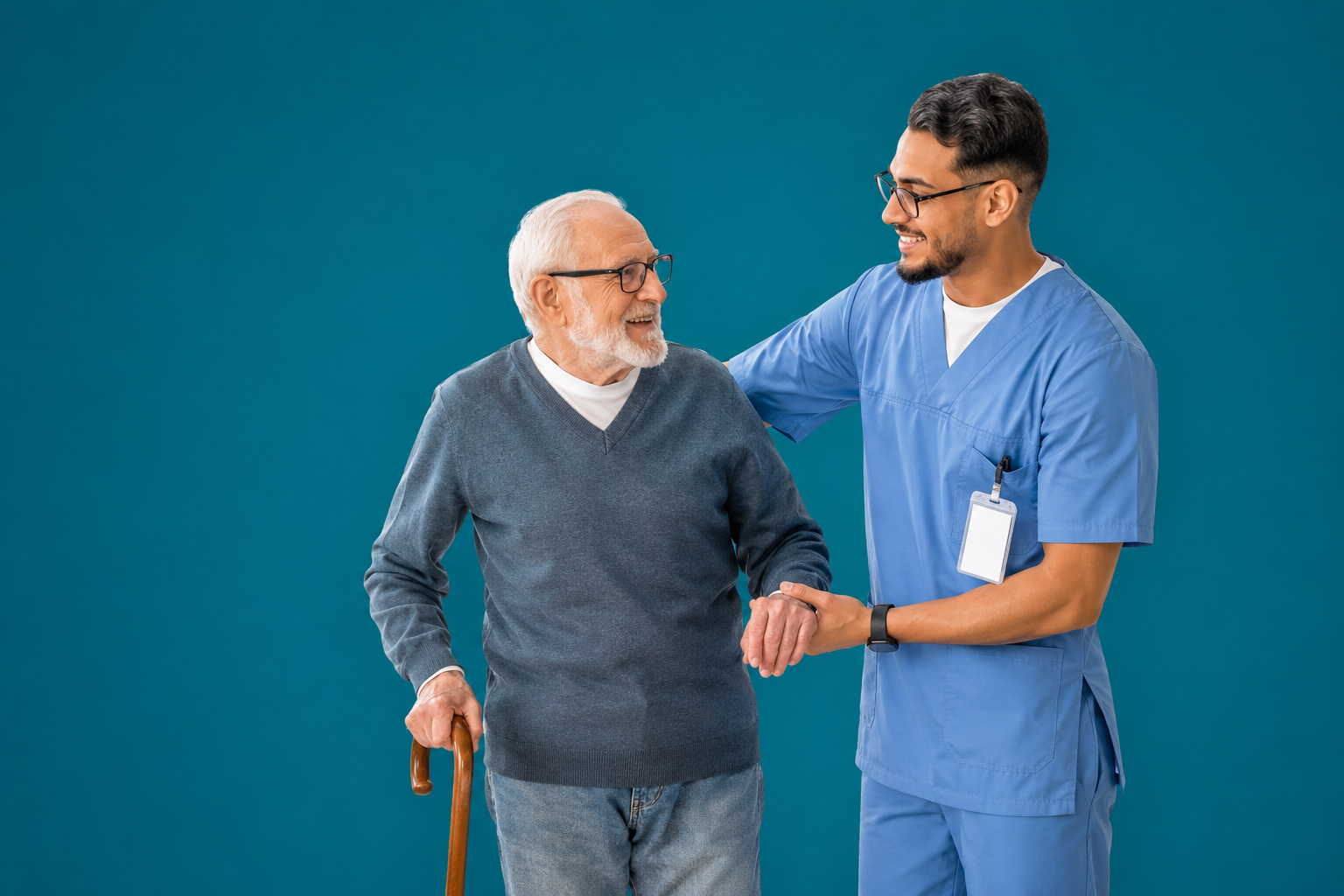
Many families try to manage elderly care at home for as long as possible. Over time, daily caregiving can become physically exhausting, emotionally stressful, and medically difficult without trained support. Small health changes in seniors may slowly turn into serious safety risks affecting recovery and quality of life. Read on to know when professional elderly care becomes necessary, and how proper support can help seniors live more safely, comfortably, and confidently at home.
Elderly health needs often increase slowly, making families overlook early warning signs. Changes in memory, movement, hygiene, eating habits, or medication routines may indicate the need for professional caregiver support and elderly patient care services.
Many seniors with chronic illness, dementia, or mobility limitations require regular monitoring, safe movement assistance, and medical supervision. Professional elderly care helps reduce emergency risks while improving comfort, recovery, emotional wellbeing, and daily living support inside familiar home environments.
Repeated falls, difficulty walking, bathroom accidents, or balance problems can increase injury risks in seniors. Professional elderly care providers help improve safety through supervised movement, mobility assistance, fall prevention support, and regular physical monitoring.
Elderly patients managing diabetes, blood pressure, breathing problems, or multiple medications may forget important treatment routines. Professional caregivers help ensure medicines, health monitoring, and daily care activities are completed safely and correctly.
Memory loss, confusion, wandering, or forgetting meals can create serious safety concerns. Dementia care at home helps seniors receive supervised support, structured routines, and safer living conditions during cognitive decline.
Difficulty bathing, wearing clean clothes, cooking meals, or drinking enough water may signal declining independence. Professional elderly care helps seniors maintain hygiene, nutrition, and healthier daily routines consistently.
Professional elderly care services help seniors manage daily routines safely while improving comfort, independence, and emotional wellbeing. Trained caregivers, nurses, and rehabilitation specialists provide personalized support based on medical condition, mobility level, and lifestyle needs.
Professional caregivers also help families reduce stress by providing structured elderly support throughout the day. Seniors with chronic illness, dementia, post hospital recovery needs, or mobility problems often benefit from regular monitoring and safer home care routines.
Daily Support Services
Assistance with bathing, dressing, eating, walking, medication management, and mobility support improves daily living quality for seniors needing regular supervision and safer home healthcare support.
Health Monitoring Support
Professional elderly care helps detect early health changes before complications increase. Regular monitoring supports safer recovery, chronic disease management, and improved elderly patient healthcare supervision at home.
Family caregivers often balance work responsibilities, children, household duties, and elderly patient care together. Long term caregiving without support can affect sleep, emotional health, physical energy, and family relationships significantly over time.
Families caring for seniors with dementia, mobility issues, or chronic illness may experience constant stress and interrupted sleep. Professional elderly care reduces overnight monitoring pressure and caregiver exhaustion.
Managing employment, parenting, and elderly care together can become physically demanding. Professional caregivers help families maintain healthier balance while seniors continue receiving reliable care and supervision.
Many families feel guilty seeking outside elderly care assistance. In reality, professional elderly care improves senior safety, recovery support, emotional comfort, and healthcare supervision without replacing family involvement.
Some elderly health conditions require specialized caregiving and medical supervision for safer recovery and daily support. Seniors with neurological disease, chronic illness, or post hospital complications often benefit from professional home nursing care.
Professional elderly care becomes especially helpful for seniors recovering after surgery, stroke, fractures, or respiratory illness. Regular monitoring helps reduce emergency risks, medication errors, infection complications, and mobility related injuries during recovery periods.
Conditions Often Requiring Professional Elderly Care
Skilled elderly caregivers help support complex medical needs, rehabilitation routines, mobility assistance, cognitive supervision, and safer long term healthcare management for elderly patients at home.
Choosing suitable elderly care depends on medical condition, mobility level, emotional wellbeing, supervision needs, and recovery goals. Families should evaluate both healthcare needs and daily living support requirements before selecting care services.
A proper elderly care plan helps seniors remain safer, healthier, and more independent inside familiar surroundings. Coordinating with doctors, physiotherapists, nurses, and professional caregivers supports better long term elderly healthcare management and recovery outcomes.
Important Areas Families Should Evaluate
Families selecting elderly care services should assess medical supervision needs, safety risks, rehabilitation goals, emotional support requirements, and long term healthcare planning carefully.
The cost of professional elderly care in Dubai depends on the care hours, level of support, and type of healthcare professional assigned. Professional elderly care starts from AED 60 per hour, while a longer care session can cost around AED 280 when handled by DHA licensed registered nurses. Rates vary according to the required care plan and duration.
Professional elderly care helps seniors receive safer healthcare support, improved supervision, emotional comfort, and better daily living assistance at home. Families often notice reduced stress, improved recovery routines, safer mobility, and better health monitoring after introducing trained caregivers. Choosing professional elderly care does not reduce family involvement. Instead, it creates a safer and healthier support system that helps elderly loved ones maintain dignity, comfort, and quality of life during aging.
Eureka Home Healthcare provides trusted elderly care at home in Dubai through experienced DHA licensed nurses and compassionate caregivers supporting seniors with safe daily medical assistance and personal care. Our team focuses on affordable, high quality home healthcare services that help elderly patients receive professional support, comfort, mobility assistance, and recovery care without the stress of hospital visits. We provide reliable at home medical support for all ages while helping families feel more confident and reassured every day.
How do I know when my elderly parent needs professional care?
When elderly parents struggle with mobility, medications, hygiene, memory loss, or daily safety, professional elderly care helps provide safer supervision and healthcare support at home.
What are the warning signs that elderly care at home is becoming unsafe?
Warning signs include repeated falls, missed medications, poor hygiene, wandering, confusion, dehydration, breathing difficulty, and increasing medical emergencies affecting elderly patient safety regularly.
Can professional elderly care be provided at home instead of a facility?
Professional elderly care can be provided at home through trained caregivers, nurses, rehabilitation specialists, and home healthcare teams supporting seniors safely and comfortably daily.
When does dementia care require trained caregivers?
Dementia care requires trained caregivers when memory loss, wandering, confusion, behavioral changes, or unsafe activities begin affecting elderly safety and independent daily living routines.
What health conditions usually require skilled elderly nursing support?
Health conditions requiring skilled elderly nursing support include stroke recovery, Parkinson’s disease, Alzheimer’s disease, respiratory illness, post surgery recovery, and bedridden patient care needs.
How can professional caregivers help prevent falls and emergencies in seniors?
Professional caregivers help prevent falls and emergencies through supervised mobility assistance, medication monitoring, rehabilitation support, safer movement guidance, and regular elderly health observation.
Can professional elderly care support recovery after hospitalization or surgery?
Professional elderly care supports recovery after hospitalization or surgery through rehabilitation assistance, medication supervision, mobility support, wound monitoring, and safer daily healthcare routines.
In the home setting, Nurses play an integral role in the delivery of quality healthcare services that generates trust and collaboration for both the care of the client and the maintenance of health of other family members as well.
Office 107, Business Point Building, Port Saeed, Dubai, United Arab Emirates
Mob : +971 50 3860 777
Tel : +971 4 26 68 222
© 2023 Copyright Eureka Home Health Care | Patient Rights | All rights reserved.
MOH APPROVAL # NGBTGZGQ-010726