24/7 care and support to patients from newborn to elderly
HOME CARE SERVICES DUBAI

Low Sugar in Infants, How Home Nursing Care Supports Recovery and Feeding Routines

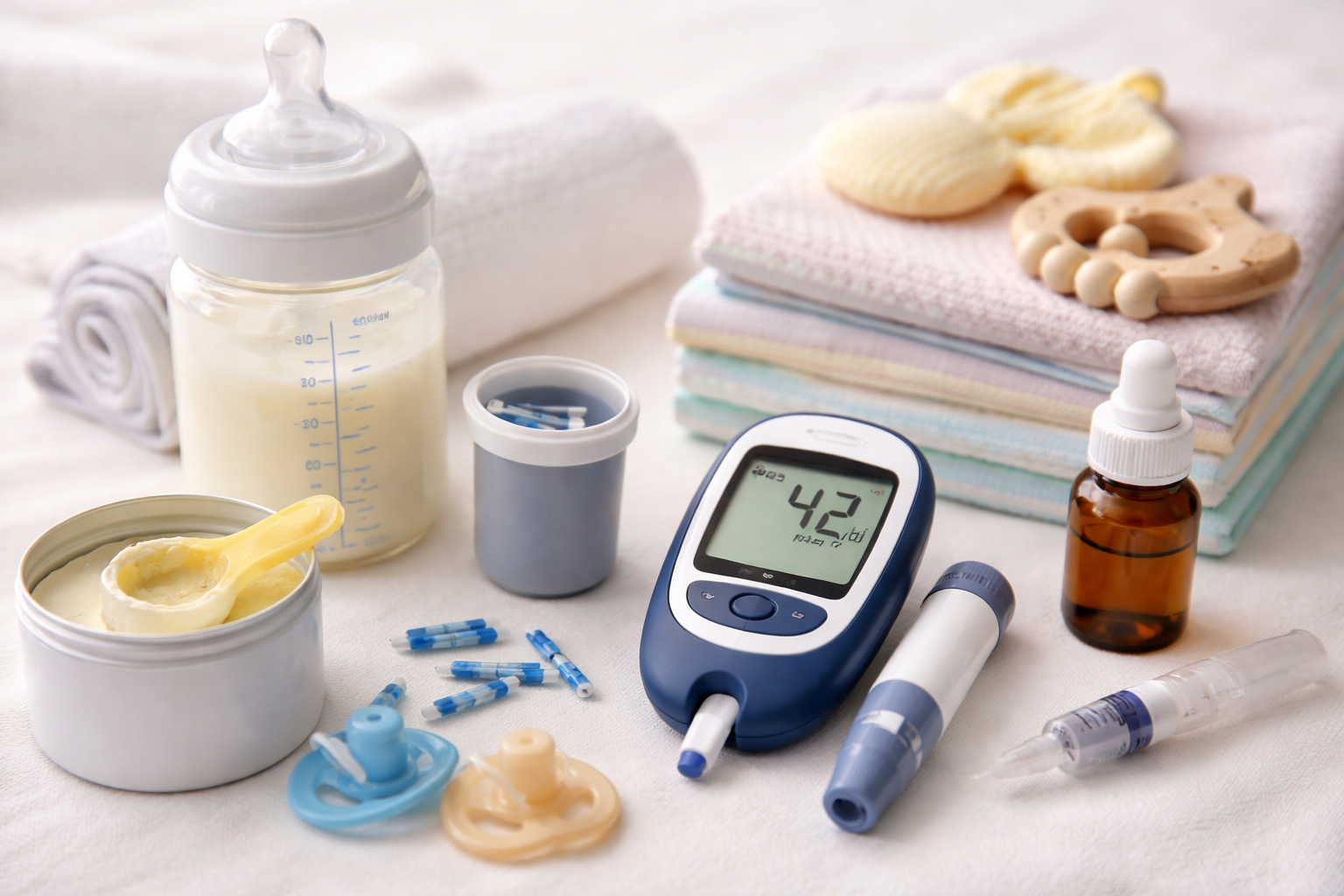
Low sugar in a newborn can affect the brain and vital organs within hours if it is not detected and supported correctly. Many parents hear the words neonatal hypoglycemia for the first time only after delivery, when their baby already shows low blood glucose levels. This guide explains what low sugar in infants means, how recovery continues after discharge, and how home nursing care supports feeding routines and monitoring. Read on to know how safe home based care helps protect your baby during this critical period.


What is low blood sugar in a newborn means

Low blood sugar in a newborn, medically called neonatal hypoglycemia, means that the amount of glucose in the baby’s blood is lower than what the body and brain need to function safely. Glucose is the main source of energy for the newborn brain, and newborns use glucose faster than adults.

During pregnancy, the baby receives a continuous supply of glucose from the mother. After birth, this supply suddenly stops, and the baby must rely on feeding and stored energy to keep blood glucose stable. For some babies, this adjustment takes time.

Low sugar in a newborn does not always mean there is a serious illness. Many babies experience temporary low readings during the first hours after birth. However, repeated or prolonged low sugar levels can cause feeding problems, breathing changes, and in severe cases, neurological injury.

Clinical care and screening practices for newborn hypoglycemia are commonly aligned with recommendations from organisations such as World Health Organization and American Academy of Pediatrics to support early identification and safe feeding practices.


Why newborns develop low sugar levels

Low sugar in infants can occur for several reasons related to pregnancy, delivery, or the baby’s health after birth.

Pregnancy and delivery related causes

Some common pregnancy and delivery related causes include:

  • Maternal diabetes during pregnancy

  • Difficult or prolonged labour

  • Emergency caesarean delivery

  • Premature birth

  • Babies who are smaller or larger than expected for their gestational age

These situations can affect how well the baby adapts to regulating blood glucose after birth.

Newborn related causes

Newborn related factors can also contribute to hypoglycemia levels in newborns. These include:

  1. Delayed or ineffective feeding

  2. Infection in the early newborn period

  3. Breathing difficulties after delivery

  4. Low body temperature

  5. Stress during birth

Low sugar in a newborn often results from more than one factor working together.


Normal blood glucose levels for newborns

Blood glucose levels for newborns are not the same as adult values. In the first few hours after birth, it is normal for blood glucose in newborns to fall slightly as the baby adapts to life outside the womb.

Doctors and nurses do not rely on a single number alone. They look at trends, symptoms, feeding response, and how the baby behaves over time.

Low sugar level for newborns becomes clinically important when readings remain low after feeding support, or when the baby shows symptoms such as jitteriness, poor feeding, or unusual sleepiness.

It is important for parents to know that transitional low readings are common, but repeated low values may require medical support and close follow up.


Early signs of low sugar in infants

Some babies show clear signs of low sugar, while others may show very subtle changes.

Common early signs include:

  • Poor or weak feeding

  • Jittery or shaky movements

  • Weak or high pitched cry

  • Low body temperature

  • Pale or bluish skin colour

In some babies, silent hypoglycemia occurs, where no obvious symptoms are visible, even though blood glucose is low. This is why screening and monitoring are important for at risk newborns.

How neonatal hypoglycemia is diagnosed

Neonatal hypoglycemia is usually diagnosed using bedside glucose testing. A small blood sample is taken from the baby’s heel and tested immediately.If a low value is found, it is often confirmed by laboratory testing. Doctors do not rely on a single reading. Instead, repeated blood glucose in newborn measurements are taken to observe how the baby responds to feeding or treatment.Diagnosis focuses on patterns of low values, feeding behaviour, and overall clinical condition rather than one isolated test result.

How low sugar in newborns is treated in hospitals

Initial treatment of low sugar in a newborn focuses on restoring and maintaining safe glucose levels as quickly as possible.

Common hospital treatments include:

  1. Early and frequent feeding

  2. Expressed breast milk or formula supplementation

  3. Oral glucose gel placed inside the cheek

  4. Intravenous glucose for babies with persistent or severe hypoglycemia

This approach follows neonatal care principles supported by bodies such as National Institute for Health and Care Excellence for safe escalation and monitoring.

Why recovery continues after discharge

Even after hospital treatment stabilises blood glucose levels, recovery does not end at discharge. Newborn metabolism continues to mature over several days or weeks.

Many babies still require:

  • Regular feeding schedules

  • Monitoring of feeding tolerance

  • Observation for subtle symptoms

For some infants, especially those with early feeding difficulties, home based follow up plays an important role in preventing repeated drops in blood sugar.

How home nursing care supports recovery

Home nursing care helps bridge the gap between hospital treatment and full recovery.

Ongoing blood sugar monitoring at home

Trained nurses can safely perform point of care blood sugar checks when required. These readings are recorded carefully and shared with the treating paediatrician.

Monitoring at home focuses on:

  • Identifying downward trends early

  • Reviewing feeding response after low readings

  • Supporting timely medical escalation when needed

Clinical observation and early warning detection

Home nurses observe the baby’s behaviour, muscle tone, feeding quality, and alertness.

They watch for:

  1. Changes in feeding strength

  2. Unusual sleepiness or irritability

  3. Colour changes

  4. Breathing pattern changes

Early detection allows faster medical intervention.

Parental education and confidence building

Parents receive structured education on:

  • Recognising early symptoms

  • Interpreting feeding cues

  • Safe positioning during feeds

  • Proper burping and handling

This education improves parental confidence and reduces anxiety.


How home nursing care supports feeding routines

Feeding is the most important part of hypoglycemia management in neonates.

Establishing structured feeding schedules

Home nurses help families establish feeding schedules based on medical guidance.

This includes:

  • Appropriate feeding intervals

  • Adjusting feeding frequency during night hours

  • Monitoring volume intake

A structured routine reduces the risk of glucose dips between feeds.

Breastfeeding support for low sugar in infants

Breastfeeding can be challenging in babies with low sugar in infants, especially when feeding stamina is low.

Support includes:

  1. Improving latch and positioning

  2. Supporting skin to skin contact

  3. Expressing breast milk when needed

  4. Supplementing safely when required

This approach supports both nutrition and maternal milk supply.

Formula and combination feeding guidance

When formula or combination feeding is needed, nurses guide parents on:

  • Safe preparation techniques

  • Correct storage practices

  • Gradual transitions between feeding methods

This ensures consistent intake and reduces feeding related stress.

Nursing diagnosis in newborn hypoglycemia care

Hypoglycemia newborn nursing diagnosis focuses on identifying care priorities and planning safe interventions.

Common nursing diagnoses include:

  • Risk for unstable blood glucose level

  • Ineffective feeding pattern

  • Imbalanced neonatal nutrition

Hypoglycemia nursing diagnosis for newborn helps guide feeding schedules, monitoring frequency, and parental education plans.

This structured nursing approach supports consistent care and documentation during recovery.


When low sugar in a newborn becomes an emergency

  • Parents should seek immediate medical attention for seizures

  • Abnormal jerking movements require urgent medical evaluation immediately

  • Poor responsiveness or difficulty waking needs urgent care

  • Persistent vomiting in newborns requires immediate hospital assessment

  • Refusal to feed is a serious warning sign

  • Worsening breathing difficulty requires immediate emergency medical attention

How Professional Nursing Support at Home Can Help

  • Professional nursing support at home ensures continuous clinical care after hospital discharge, reducing the risk of missed symptoms or feeding gaps.

  • Trained nurses monitor feeding patterns, intake levels, and baby response to ensure stable blood glucose levels throughout the day.

  • Nurses guide parents in proper breastfeeding and formula feeding techniques to improve feeding effectiveness and consistency.

  • Home nurses observe early warning signs such as changes in alertness, muscle tone, and breathing patterns for timely intervention.

  • Structured feeding routines are established and adjusted based on the baby’s condition to prevent sudden drops in blood sugar.

  • Nurses maintain detailed records of feeding, behaviour, and glucose trends to support medical follow up and decision making.

  • Professional support helps identify subtle symptoms that parents may not easily recognise during early recovery stages.

  • Nurses coordinate with doctors when needed, ensuring timely medical guidance and preventing complications.

  • Parents receive practical training and clear instructions, helping them feel confident in managing their baby’s care safely.

  • Ongoing support at home reduces hospital readmission risk by addressing concerns early and maintaining stable recovery progress.



Making informed decisions on home care in neonatal hypoglycemia

Low sugar in infants requires careful monitoring, structured feeding, and early intervention to protect the newborn brain and support healthy development. Neonatal hypoglycemia is often temporary, but recovery continues after hospital discharge. Home nursing care plays a vital role in observing feeding quality, identifying early warning signs, and guiding parents through safe daily routines. With consistent follow up and professional support, most babies achieve stable blood glucose levels and progress confidently into healthy infancy.

Trusted neonatal hypoglycemia care at home in Dubai

Eureka Home Healthcare offers reliable at home medical support for newborns, children, adults, and elderly patients across Dubai. Our DHA licensed and experienced nurses provide safe, compassionate, and professional care for babies with low blood sugar and feeding difficulties. We focus on affordable, high quality service so families can receive medical attention and comfort at home without hospital stress. Parents can feel confident knowing their loved ones are supported with personalised, gentle, and continuous home nursing care.