
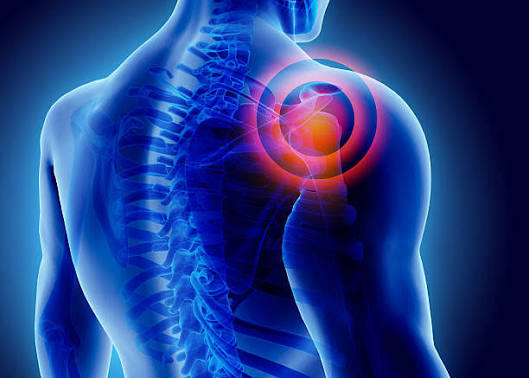
Joint pain can make simple daily activities difficult, from climbing stairs to carrying groceries. Many people rely on pain medication for quick relief, but these medicines often address symptoms rather than the underlying cause. Physiotherapy focuses on restoring movement, strength, flexibility, and long term recovery. If you experience pain in your knees, shoulders, hips, ankles, wrists, or lower back, read on to learn when physiotherapy may be a better solution than temporary pain relief.
Joint pain can develop for many reasons, including daily habits, injuries, and medical conditions. While occasional discomfort may improve with rest, chronic joint pain often indicates an underlying issue affecting the muscles, ligaments, tendons, or joints. Identifying the cause is important for choosing the right treatment and preventing future complications.
Need Help With Joint Pain or Mobility Challenges? Connect with our certified physiotherapist in Dubai. Talk to Our Physiotherapy Expert
Pain lasting several weeks: Ongoing pain that does not improve with rest may indicate an underlying musculoskeletal issue requiring professional assessment and treatment.
Recurring pain after activity: Pain that repeatedly returns after walking, exercising, or daily activities often signals unresolved joint stress or weakness.
Morning stiffness: Stiff joints after waking up may suggest inflammation, arthritis, or reduced joint mobility that needs attention.
Reduced range of motion: Difficulty bending, stretching, or moving a joint normally can affect daily activities and overall function.
Joint weakness: Weakness around a joint may increase the risk of falls, injuries, and reduced physical performance.
Swelling that keeps returning: Repeated swelling can indicate joint inflammation, tissue irritation, or ongoing damage inside the joint.
Difficulty walking, climbing stairs, lifting objects, or exercising: Everyday tasks becoming harder often suggest declining joint function and mobility.
Pain affecting sleep and daily routine: Joint pain that disrupts sleep or regular activities should not be ignored and may require rehabilitation treatment.
Explore Common Fracture Types and Effective Post Fracture Recovery with Home Physiotherapy .
✓ Joint pain lasting more than a few weeks
✓ Stiffness that affects movement
✓ Swelling that keeps returning
✓ Pain after routine activities
✓ Difficulty performing daily tasks
✓ Increasing dependence on pain medication
✓ Reduced flexibility or strength
✓ Sleep disruption due to pain
Pain medication can temporarily reduce discomfort and inflammation, but it may not address the source of the problem. If pain continues despite medication, or if mobility and strength keep declining, a physiotherapy assessment may help identify the root cause and support long term recovery through targeted rehabilitation treatment.
Pain keeps returning: Recurring pain often suggests the underlying issue remains untreated despite temporary symptom relief.
Increasing dependence on medication: Needing medication more frequently may indicate worsening joint dysfunction or inflammation.
Reduced physical performance: Difficulty completing normal activities can signal declining strength, mobility, or joint stability.
Activity avoidance: Avoiding movement due to fear of pain may contribute to further weakness and stiffness.
Post injury recovery: Injuries may require guided rehabilitation to restore mobility, strength, and function safely.
Sports injuries: Athletes often benefit from targeted exercises that support recovery and prevent future injuries.
Arthritis management: Physiotherapy can help improve mobility and reduce limitations caused by arthritis symptoms.
Frozen shoulder: Restricted shoulder movement often requires structured rehabilitation and manual therapy.
Knee instability: Weak or unstable knees may need strengthening exercises and movement correction strategies.
Post surgical rehabilitation: Recovery after surgery often includes physiotherapy to restore normal function and mobility.
Struggling With Persistent Joint Pain or Stiffness? Speak with our experienced physiotherapy specialist for support with pain management, movement limitations, muscle weakness, and rehabilitation needs. Talk to Our Physiotherapy Expert
Physiotherapy focuses on treating the source of joint pain rather than only reducing symptoms. Through a combination of assessment, rehabilitation exercises, manual therapy, and movement training, physiotherapists help improve mobility, reduce discomfort, and support long term joint health. It can be beneficial for people with injuries, arthritis, chronic joint pain, and post surgical recovery needs.
Comprehensive movement assessment: A physiotherapist evaluates your posture, joint mobility, muscle strength, and movement patterns to identify factors contributing to pain.
Personalized exercise programs: Treatment plans are tailored to your condition, goals, age, activity level, and recovery needs.
Manual therapy techniques: Hands on techniques may help improve joint movement, reduce stiffness, and ease muscle tension.
Strength and stability training: Targeted exercises strengthen supporting muscles and improve joint stability during daily activities.
Flexibility improvement: Stretching and mobility exercises help restore normal movement and reduce joint stiffness.
Posture correction: Improving posture can reduce stress on joints and support better movement mechanics.
Injury prevention: Physiotherapy helps identify movement habits that increase injury risk and provides strategies to avoid future problems.
Long term joint health management: Ongoing guidance can help maintain mobility, function, and overall quality of life.
What happens during physiotherapy sessions: Sessions may include assessments, guided exercises, manual therapy, mobility training, and education about safe movement techniques.
Expected recovery goals: Treatment aims to reduce pain, improve strength, restore mobility, and help patients return to normal activities confidently.
How physiotherapy complements medical treatment: Physiotherapy often works alongside medical care by improving function, supporting recovery, and helping patients manage chronic conditions more effectively.
To learn how physiotherapy can relieve muscle stiffness and restore movement, read Muscle Stiffness Physiotherapy: How to Relieve Pain and Restore Movement Quickly.
Looking for Professional Guidance for Knee Pain Relief? Our guide on Why Knee Pain Feels Worse After Rest explains why stiffness develops after periods of inactivity and what steps may help improve comfort and mobility.
Joint pain is not always something that can be solved with medication alone. Warning signs such as recurring pain, stiffness, swelling, reduced mobility, and difficulty performing daily activities often indicate an underlying musculoskeletal issue. Early physiotherapy assessment can help identify the source of pain and create a personalized recovery plan. Taking action sooner may improve mobility, prevent further complications, and support long term joint health, allowing you to stay active and comfortable in your daily life.
Eureka Home Healthcare provides reliable physiotherapy and medical support services at home for children, adults, and seniors across Dubai. Our DHA licensed and experienced healthcare professionals deliver safe, compassionate, and professional care in the comfort of your home. We focus on affordable, high quality treatment that helps patients recover, improve mobility, and maintain independence. With personalized attention and convenient home visits, your loved ones can receive the care they need without the stress of hospital visits.
Can physiotherapy help chronic joint pain?
Yes, physiotherapy can help chronic joint pain by improving joint mobility, muscle strength, and movement patterns. Eureka Home Healthcare provides personalized physiotherapy services in Dubai that focus on addressing the cause of pain and supporting long term recovery.
How do I know if my joint pain is serious?
Joint pain may require professional attention if it lasts several weeks, causes swelling, limits movement, affects sleep, or interferes with daily activities. A physiotherapy assessment can help identify the cause and recommend appropriate treatment.
Is physiotherapy better than pain medication for joint pain?
Physiotherapy and medication serve different purposes. Pain medication may provide temporary relief, while physiotherapy focuses on improving mobility, strength, and function to address the underlying factors contributing to joint pain.
Can physiotherapy help arthritis related joint pain?
Yes, physiotherapy can help people with arthritis by improving joint flexibility, muscle strength, and mobility. Regular rehabilitation exercises may reduce stiffness and support better movement during daily activities.
How long should joint pain last before seeing a physiotherapist?
If joint pain continues for more than a few weeks, keeps returning, or affects normal activities, it is advisable to seek a physiotherapy assessment. Early treatment can help prevent worsening symptoms and mobility limitations.
What happens during a physiotherapy assessment for joint pain?
A physiotherapy assessment typically includes reviewing symptoms, evaluating joint movement, testing muscle strength, assessing posture, and identifying factors contributing to pain. The physiotherapist then develops a personalized treatment plan.
Can physiotherapy prevent joint pain from returning?
Yes, physiotherapy can help reduce the risk of recurring joint pain through strengthening exercises, mobility training, posture correction, and education on safe movement techniques that support long term joint health.
In the home setting, Nurses play an integral role in the delivery of quality healthcare services that generates trust and collaboration for both the care of the client and the maintenance of health of other family members as well.
Office 107, Business Point Building, Port Saeed, Dubai, United Arab Emirates
Mob : +971 50 3860 777
Tel : +971 4 26 68 222
© 2023 Copyright Eureka Home Health Care | Patient Rights | All rights reserved.
MOH APPROVAL # NGBTGZGQ-010726