

Back pain is a common issue that affects people of all ages and lifestyles. Whether it’s due to prolonged sitting, poor posture, or physical strain, back discomfort can significantly impact daily activities. One of the most effective ways to alleviate and prevent back pain is through targeted core and back strengthening exercises. However, performing these exercises without proper guidance can lead to further injury. This is where the expertise of a physiotherapist becomes invaluable. Let’s explore the importance of core strength in back pain relief and outline effective exercises that should be performed under the supervision of a qualified physiotherapist.

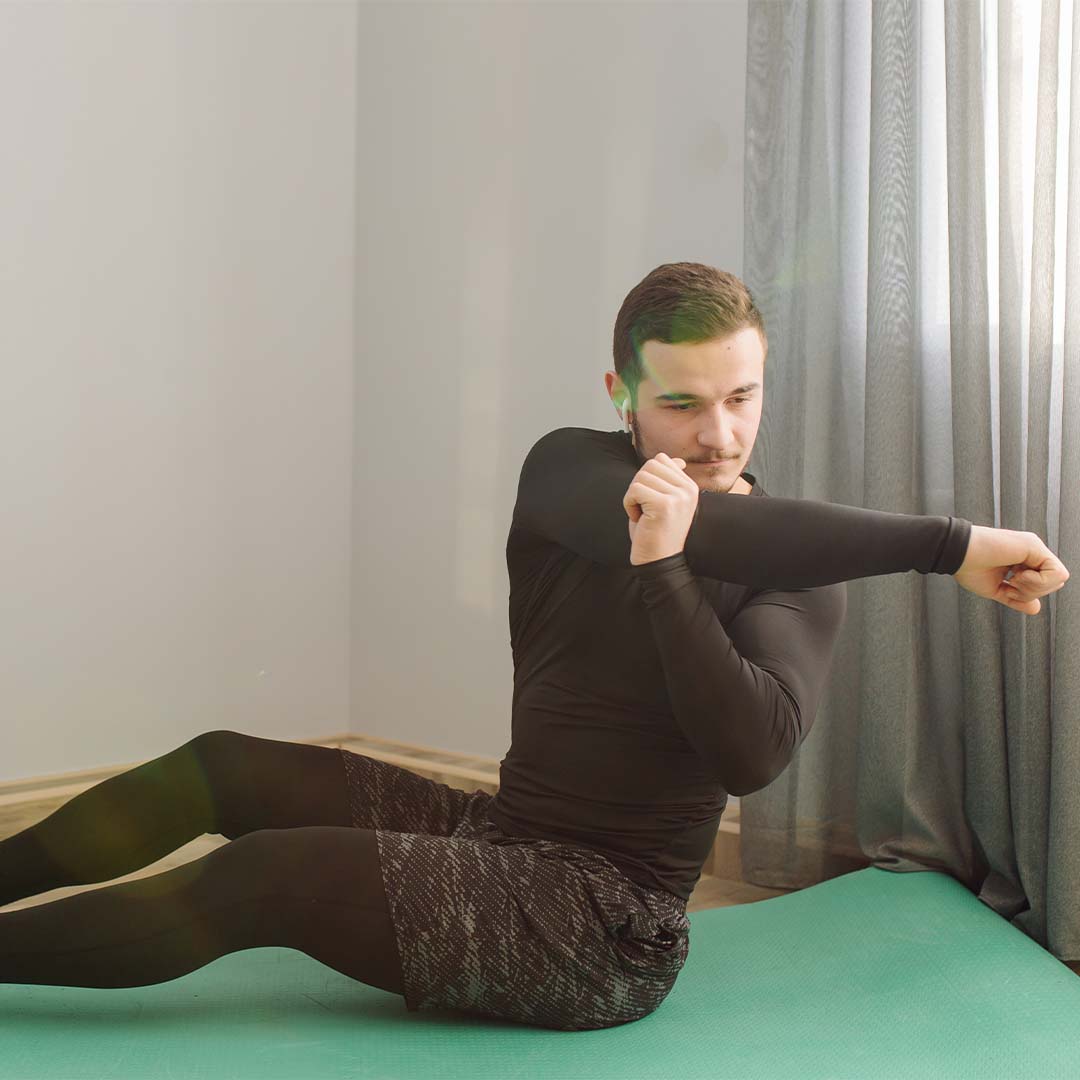
The core comprises muscles in the abdomen, lower back, hips, and pelvis. These muscles work together to stabilize the spine and pelvis, providing a solid foundation for movement. A strong core supports proper posture, balance, and overall body strength. When these muscles are weak, the body relies more on passive structures like ligaments and bones, increasing the risk of injury and pain.
Weak core muscles can lead to poor posture and improper spinal alignment, placing undue stress on the lower back. This imbalance can cause or exacerbate back pain. Strengthening the core helps distribute weight more evenly and reduces the strain on the back muscles and spine.
Physiotherapists are trained to assess individual needs and design personalized exercise programs. They ensure that exercises are performed correctly, reducing the risk of injury and maximizing benefits. Their guidance is crucial, especially for individuals with existing back pain or other health conditions.
A physiotherapist conducts a thorough assessment to identify the root cause of back pain. They analyze posture, movement patterns, and muscle imbalances to develop a tailored exercise plan. Correcting posture through specific exercises can alleviate pain and prevent future issues.
Incorrect exercise techniques can worsen back pain or cause new injuries. Physiotherapists provide real-time feedback and modifications to ensure exercises are performed safely and effectively.
Physiotherapists utilize evidence-based practices to treat chronic back pain. They incorporate a combination of strengthening, stretching, and mobility exercises tailored to the individual’s condition, promoting long-term relief and functional improvement.

Not all back pain is the same. A physiotherapist identifies the specific cause,be it muscular strain, disc issues, or posture-related problems,and tailors exercises accordingly to address the root issue effectively.
Consistency and gradual progression are key. A physiotherapist sets appropriate exercise frequency and repetitions based on individual capacity, ensuring steady improvement without overexertion.
Incorporating equipment like resistance bands, stability balls, and foam rollers can enhance exercise effectiveness. A physiotherapist guides the proper use of these tools to target specific muscle groups safely.
If you experience severe or persistent back pain, numbness, tingling, or weakness in the legs, it’s crucial to consult a healthcare professional before starting any exercise regimen. These symptoms could indicate underlying conditions that require specialized treatment.
Look for a licensed physiotherapist with experience in treating back pain. Recommendations from healthcare providers, reviews, and verified credentials can help in selecting the right professional.
The cost of physiotherapy sessions varies based on location, clinic, and treatment plan. Many health insurance plans cover physiotherapy services, so it’s advisable to check with your provider for specific coverage details.
Exercises like pelvic tilts, bridges, and bird dogs are generally safe and effective. However, it’s essential to perform them under professional guidance to ensure proper form and prevent injury.
Yes, physiotherapy has been shown to alleviate chronic back pain by strengthening muscles, improving flexibility, and correcting posture. A tailored exercise program can lead to significant improvements.
Typically, core exercises are recommended 2-3 times per week. However, the exact frequency should be determined by a physiotherapist based on individual needs and progress.
While exercises can reduce or eliminate the need for pain medication, it’s essential to consult with a healthcare provider before making any changes to medication regimens.
Many individuals notice improvements within a few weeks of consistent physiotherapy. However, the timeline can vary based on the severity of the condition and adherence to the exercise program.
Yes, certain exercises may exacerbate herniated disc symptoms. A physiotherapist can identify and modify exercises to ensure safety and effectiveness.
While some exercises may seem straightforward, professional guidance ensures correct technique, reduces injury risk, and tailors exercises to individual conditions.
Yes, many exercises can be performed at home. However, initial sessions with a physiotherapist are recommended to learn proper form and receive a personalized plan.
Back pain does not have to control your life. With expert help from a skilled physiotherapist, you can build core strength, improve your posture, and ease the pain for good. Physiotherapy offers more than just short term relief,it helps you stay active and pain free in the long run. Do not wait for the pain to get worse. Start your recovery today with a personalized care plan that works for your body.
Struggling with back pain? Let Eureka’s expert physiotherapists help you feel better fast. We create simple, effective treatment plans tailored to your body and lifestyle. From pain relief to long term strength, we are here every step of the way.
Call now or book your session online. Feel the difference with Eureka today.
In the home setting, Nurses play an integral role in the delivery of quality healthcare services that generates trust and collaboration for both the care of the client and the maintenance of health of other family members as well.
Office 107, Business Point Building, Port Saeed, Dubai, United Arab Emirates
Mob : +971 50 3860 777
Tel : +971 4 26 68 222
© 2023 Copyright Eureka Home Health Care | Patient Rights | All rights reserved.
MOH APPROVAL # 17GKT9GT-040725