
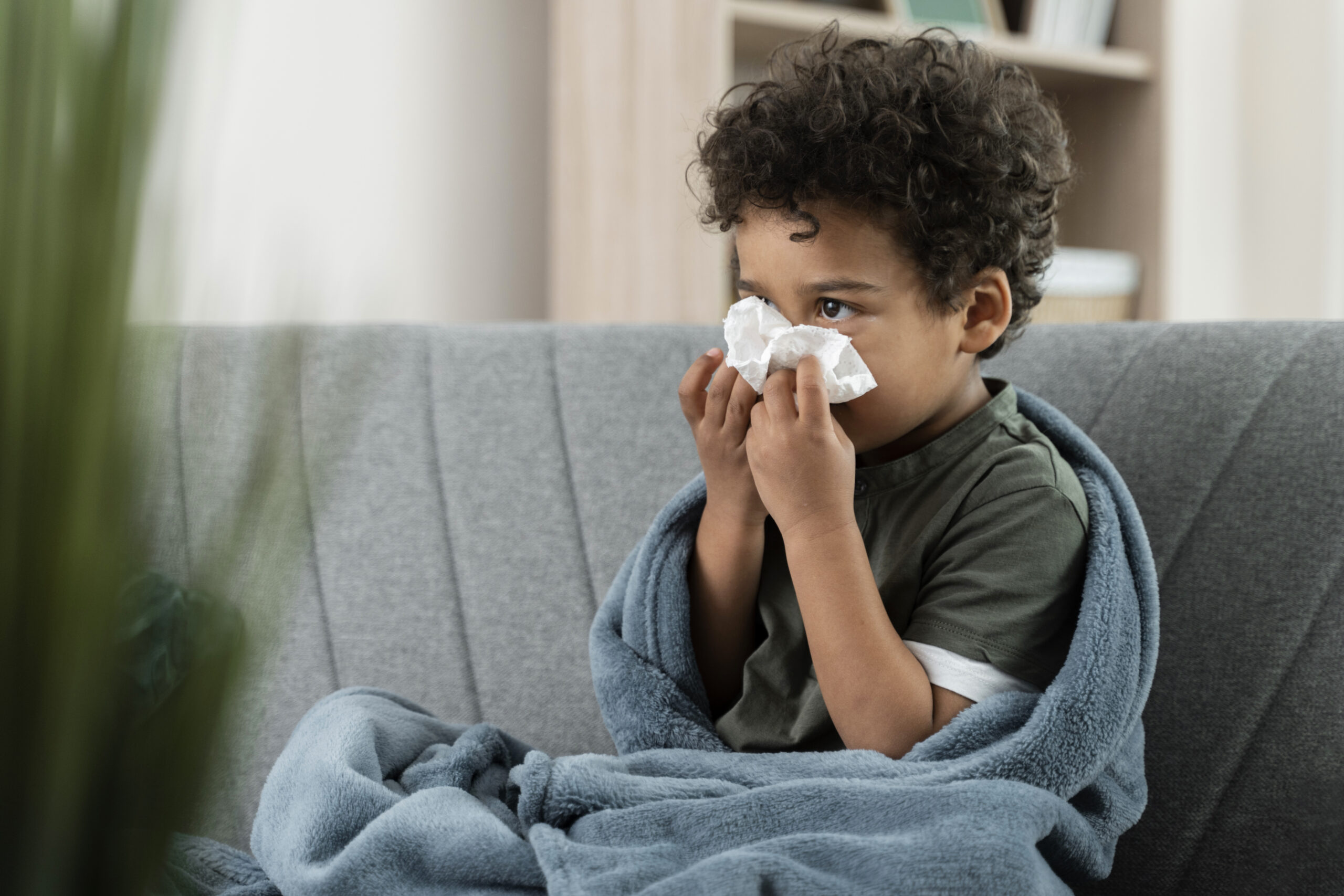
Allergies in children can be both scary and confusing for parents. Seeing your little one suffer from constant sneezing, skin rashes, or stomach issues can be emotionally exhausting. Whether it’s a reaction to certain foods, pets, dust, or pollen, allergies affect your child’s comfort and quality of life. As a parent, it’s natural to feel worried and unsure about what to do next. The good news is that with a better understanding of allergy triggers and simple, everyday prevention steps, you can create a safe and healthy environment for your child. This guide is here to support you with clear, helpful information that’s easy to follow—so you feel more confident and your child can stay protected, happy, and healthy.
Children can be allergic to many things, from foods and pollen to dust and pet dander. These allergic reactions happen when their immune systems overreact to something harmless.
The most common allergens that affect children include:
Allergies often run in families. If one or both parents have allergies, the child has a higher chance of developing them. Environmental factors and diet may also play a role.
Yes. Some children are born with allergies, while others develop them as they grow. It’s also possible for allergies to fade or change with age.
While it may not be possible to prevent all allergies, you can significantly reduce the risks by making simple lifestyle changes.
Limit outdoor time during high pollen seasons and:
Introduce common allergenic foods (like peanuts or eggs) early and gradually after six months of age, based on pediatric guidance. Also:
If your child already has allergies, managing them early helps prevent complications.
One effective way to ease allergy symptoms in young children is by rinsing their nose with a saline spray. This helps flush out allergens such as pollen, dust, or pet dander from their nasal passages, offering relief from congestion and irritation.
Using a cool mist humidifier in your child’s room can help keep the air moist, especially during dry seasons or when indoor heating is in use. Moist air can soothe irritated nasal tissues and reduce the severity of allergy symptoms.
A healthy diet plays a crucial role in managing allergies. Incorporate anti-inflammatory foods like colorful fruits and vegetables into your child’s meals. These are rich in antioxidants and nutrients that can support their immune system and reduce allergic reactions.
The first step in managing allergies is identifying the specific triggers that affect your child, such as pollen, mold, dust mites, or pet dander. Once these are known, take measures to avoid them whenever possible—for example, keeping windows closed during pollen season or using allergen-proof bedding.
It’s important to follow an allergy management plan provided by your child’s pediatrician. This plan may include steps for avoiding triggers, monitoring symptoms, and knowing when to seek medical help.
Always keep prescribed allergy medications on hand, especially if your child has moderate to severe allergies. These may include antihistamines to relieve symptoms or an epinephrine auto-injector for emergency situations involving severe allergic reactions.
Some mild allergy symptoms in children may be eased with natural home remedies like saline nasal rinses, steam inhalation, and a diet rich in fruits and vegetables. However, it’s important to recognize when medical intervention is necessary.
Nasal sprays, especially saline-based or steroid sprays prescribed by a doctor, can help reduce nasal congestion and improve breathing during allergy flare-ups.
Antihistamines are commonly used to relieve symptoms like sneezing, runny nose, and itching. Your child’s doctor can recommend the right type and dosage based on their age and allergy severity.
For children with persistent or severe allergies, allergy shots (immunotherapy) may be suggested. These treatments help the body build tolerance to allergens over time and can provide long-term relief.
Your baby’s early environment and diet can influence allergy development.
While there’s no guaranteed method, eating a balanced diet during pregnancy and avoiding smoking may lower the risk. Breastfeeding is also helpful.
Preventing and managing allergies is a long-term effort, but it’s possible with consistent care and attention. Keep your home allergen-safe, introduce foods wisely, and consult with your child’s doctor regularly. Every small step you take makes a big difference in your child’s health and happiness.
For parents seeking extra support, professional help at home can ease the journey. Eureka offers at-home visits and skilled nursing services designed to support your child’s specific health needs, including allergy care and monitoring. Whether you need help managing symptoms, creating a safe environment, or providing specialized care for ongoing conditions, our trusted team is here to assist—right from the comfort of your home.
In the home setting, Nurses play an integral role in the delivery of quality healthcare services that generates trust and collaboration for both the care of the client and the maintenance of health of other family members as well.
Office 107, Business Point Building, Port Saeed, Dubai, United Arab Emirates
Mob : +971 50 3860 777
Tel : +971 4 26 68 222
© 2023 Copyright Eureka Home Health Care | Patient Rights | All rights reserved.
MOH APPROVAL # 17GKT9GT-040725