
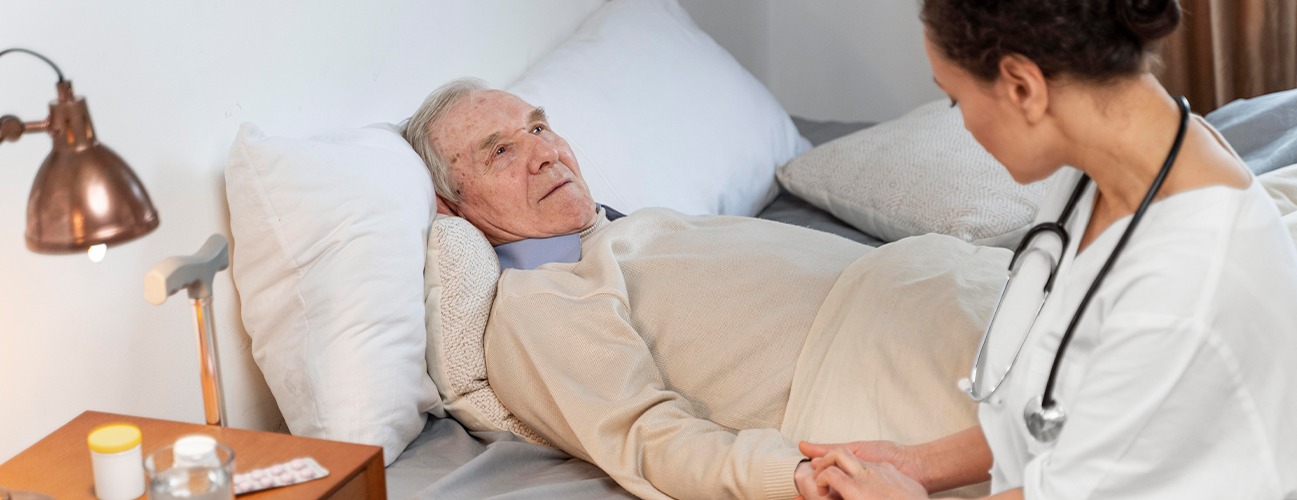
Bed sores (also known as pressure ulcers) are a serious concern for elderly patients, especially for those who are bedridden or have limited mobility. These painful sores can develop when prolonged pressure is applied to the skin, causing damage to the tissue underneath. Preventing them is crucial to avoid serious complications such as infections or prolonged pain.
Caregiving at home can be challenging, but understanding how to prevent bed sores can improve the quality of life for elderly loved ones. Read on to know effective strategies for preventing bed sores and answer some of the common questions caregivers have about this issue.
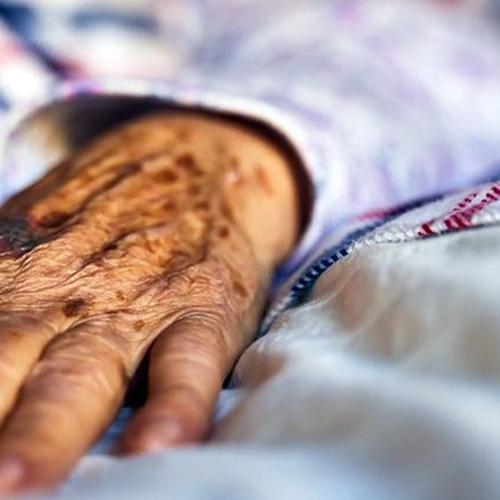
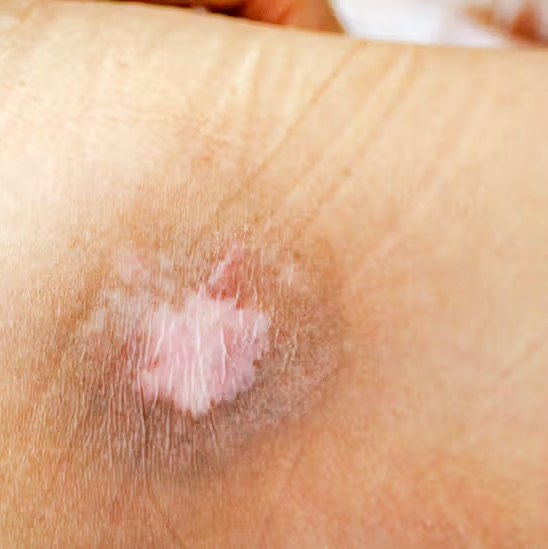
Bed sores, also called pressure ulcers, are areas of damaged skin and tissue caused by long-term pressure on the skin. They usually form in areas where the skin rests against surfaces, such as the back, hips, heels, and elbows. These sores can range from mild redness to deep, painful ulcers.
Several factors make elderly individuals more vulnerable to developing bed sores:
Repositioning a bedridden patient every 2 hours is one of the most effective ways to prevent pressure sores. This helps relieve pressure from vulnerable areas such as the back, hips, and heels. To make repositioning easier, use pillows or foam wedges to support areas of the body that need to be lifted.
Keeping the skin clean and dry is essential for preventing bed sores. Clean the skin regularly with mild soap and water, and thoroughly dry the patient, especially in skin folds, to reduce moisture buildup. Moisture can weaken the skin and contribute to the formation of ulcers.
Pressure-relieving mattresses, such as memory foam or air mattresses, are designed to distribute the body’s weight more evenly and reduce pressure on high-risk areas. Additionally, pressure-relieving cushions can be used on chairs or wheelchairs to reduce the likelihood of sores developing.
A well-balanced diet and proper hydration support overall skin health. Ensure the elderly patient gets enough protein, vitamins (especially vitamin C and zinc), and fluids to maintain healthy skin and improve healing.
Regularly check the skin for any early signs of pressure sores, such as redness or irritation. Early detection is key to preventing the sore from worsening. If you notice any concerning signs, take action immediately.
Supporting blood circulation and preventing pressure in elderly or bedridden patients is vital for their comfort and health. Simple movement, proper positioning, and pillow support can make a big difference.
Encouraging the elderly patient to move, even if it’s just small movements or simple exercises, helps improve blood circulation and reduce pressure on certain areas. For bedridden patients, gentle range-of-motion exercises can also prevent stiffness and promote circulation.
Proper body positioning is crucial for preventing pressure sores. Use pillows to support areas like the knees, ankles, and hips to keep pressure off high-risk spots. Changing the position frequently will also help prevent sores from developing.
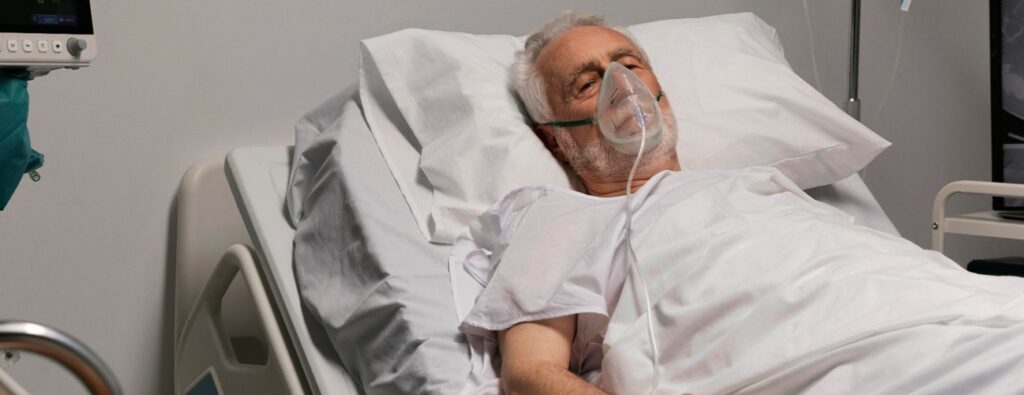
Treating bed sores early is essential to prevent complications. Proper wound care, hygiene, and monitoring are key. Know the signs that require medical attention to ensure timely and effective treatment.
If a bed sore begins to form, take immediate steps to care for it. Clean the wound gently with mild soap and water, and cover it with a sterile dressing to protect the area. Monitor it regularly for any signs of infection, such as increased redness or swelling.
If a bed sore doesn’t improve with at-home care or shows signs of infection (like pus, warmth, or an unpleasant smell), consult a healthcare professional immediately. Severe cases may require medical treatment, such as antibiotics or specialized wound care.
At-home healthcare nurses can provide valuable support in preventing bed sores. They can assist with repositioning, monitor for signs of skin breakdown, and provide expert advice on proper skin care and hygiene.
Nurses are trained to manage early-stage bed sores and prevent them from worsening. They can clean and dress wounds, track healing progress, and offer recommendations for preventing further skin damage.
Nurses also educate family caregivers on how to spot the early signs of bed sores, reposition patients correctly, and provide the right care to help prevent further complications. With the right training, family caregivers can feel confident in providing high-quality care.
The early signs include redness, irritation, or tender spots on the skin, especially in areas like the back, heels, and hips.
It is recommended to reposition a bedridden person every 2 hours to help relieve pressure and reduce the risk of bed sores.
Yes, even immobile patients can benefit from regular repositioning, specialized mattresses, and good skin care. These measures help prevent bed sores.
Maintain clean, dry skin, ensure proper hydration, and provide a nutrient-rich diet to help keep skin healthy and prevent bed sores.
Pressure-relieving mattresses, such as memory foam or air mattresses, are the most effective in preventing bed sores by reducing pressure on sensitive areas.
Signs of infection include increased redness, warmth, swelling, pus, or an unpleasant odor. Seek medical help if these symptoms occur.
Preventing bed sores in elderly patients involves consistent care, attention, and timely intervention. Encouraging regular movement, maintaining proper hygiene, using supportive positioning techniques, and monitoring the skin daily are essential steps to reduce the risk of pressure ulcers. Caregivers play a vital role in ensuring comfort and preventing complications by staying alert to early signs of skin damage. If a bed sore does appear or begins to worsen, prompt medical attention is crucial to avoid infection and promote healing.
At Eureka Home Health Care , we offer professional nursing and caregiver support tailored to the unique needs of elderly and bedridden patients. Our team is trained in pressure sore prevention, wound care, and mobility assistance to enhance comfort and overall well-being. Whether it’s daily care or specialized medical support at home, Eureka ensures your loved ones receive compassionate, expert care right where they need it most.
In the home setting, Nurses play an integral role in the delivery of quality healthcare services that generates trust and collaboration for both the care of the client and the maintenance of health of other family members as well.
Office 107, Business Point Building, Port Saeed, Dubai, United Arab Emirates
Mob : +971 50 3860 777
Tel : +971 4 26 68 222
© 2023 Copyright Eureka Home Health Care | Patient Rights | All rights reserved.
MOH APPROVAL # 17GKT9GT-040725