
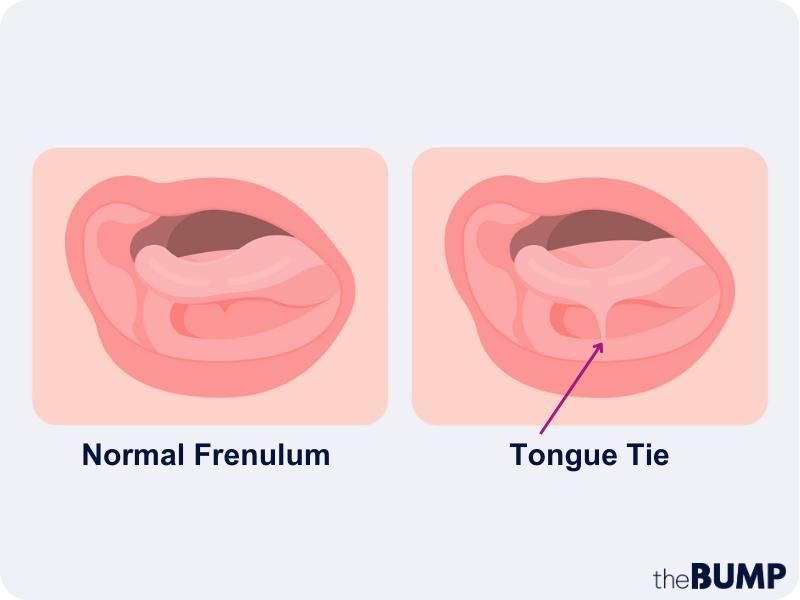
If your baby cannot latch properly or feeding feels painful, something is not right. Many mothers struggle with breastfeeding without knowing the cause, and tongue tie is often missed. Early support can make feeding easier and less stressful for both mother and baby. Read on to know the signs, breastfeeding challenges, and simple solutions that can improve feeding comfort and confidence.
Tongue tie, also called ankyloglossia in newborns, is a condition where the tissue under the baby’s tongue is tight or short. This limits tongue movement, making it difficult for the baby to latch properly during breastfeeding. As a result, feeding may become uncomfortable, less effective, and stressful for both the mother and the baby if not addressed early.
Some feeding issues are temporary, but consistent problems may be linked to tongue tie baby breastfeeding challenges. Recognizing these signs early helps prevent stress and improves feeding outcomes.
In the beginning, some discomfort is expected. However, if feeding does not improve within a few days, it is not a normal adjustment. Persistent issues often point to deeper causes like restricted tongue movement that require professional support.
The baby’s tongue plays a major role in effective breastfeeding. Any restriction in movement can directly affect latch quality and milk transfer.
The tongue helps create suction and moves in a rhythm to draw milk from the breast. It presses against the breast and guides milk flow smoothly. This movement is essential for effective feeding and helps the baby stay satisfied after each session.
When feeding is not effective, the baby may not receive enough milk. This leads to slow weight gain and frequent hunger. The baby may become irritable, and feeding becomes stressful for both mother and child, affecting daily routine and comfort.
Most breastfeeding problems can improve with simple changes and proper guidance. Early support can avoid unnecessary stress and help both mother and baby adapt better.
A lactation consultant Dubai helps identify the exact issue affecting feeding. They observe how the baby feeds and guide mothers with simple corrections. Their support often improves latch, reduces pain, and builds confidence without needing immediate medical intervention.
Before considering medical procedures, parents should first understand common feeding challenges by reading our guide on Why Is Your Infant Not Drinking Milk? Causes, Signs, and What You Should Do Immediately, which explains practical steps to improve infant feeding and identify warning signs early.
Delaying help can make feeding issues worse over time. Early support helps improve feeding and prevents complications.
Early help corrects feeding problems before they become serious. Mothers feel more confident, and babies feed better. This reduces stress and ensures the baby receives proper nutrition for healthy growth and development.
Lactation consultants focus on improving breastfeeding through practical support and personalized care. Their approach helps solve feeding issues effectively.
A consultant observes how the baby latches and feeds. They check tongue movement, positioning, and feeding behavior. This helps identify the root cause of feeding difficulty and guides the next steps for improvement.
If feeding does not improve with support, further evaluation may be needed. In such cases, tongue tie treatment Dubai options are considered. Procedures like frenulotomy UAE are suggested only when feeding issues remain unresolved.
Not all tongue tie cases require medical procedures. Many babies improve with proper feeding support and guidance.
Mild tongue restriction can often be managed through positioning and lactation support. With consistent care, feeding improves and babies grow well without needing any procedure or medical intervention.
Breastfeeding challenges can feel stressful, especially when the baby cannot latch properly. With early support and proper guidance, most issues can be improved. Recognizing signs and taking action helps both mother and baby feel more comfortable and confident. With the right care, feeding becomes smoother, less painful, and more satisfying, creating a positive experience during the early stages of motherhood.
Eureka Home Healthcare offers reliable at home lactation consultant support for mothers and newborns across Dubai. DHA licensed and experienced professionals provide safe, compassionate, and professional guidance in a comfortable home setting. The focus is on affordable, high quality care, helping mothers improve breastfeeding, resolve latch issues, and support their baby’s feeding needs without hospital stress, ensuring both mother and baby feel comfortable, confident, and well supported every day.
Why can’t my baby latch properly during breastfeeding
Babies may struggle due to poor positioning, tongue restriction, or feeding coordination issues. Early guidance from a lactation consultant can help improve latch and feeding comfort effectively.
Can tongue tie affect breastfeeding in newborns
Yes, tongue tie baby breastfeeding issues can cause shallow latch, poor milk transfer, and pain. Proper support often improves feeding, and treatment is considered only when needed.
Should I see a lactation consultant for feeding problems
Yes, a lactation consultant Dubai can assess feeding issues and guide corrections. Early support helps improve breastfeeding without needing medical procedures in most cases.
Is breastfeeding possible if baby has tongue tie
Yes, many babies breastfeed successfully with proper guidance. Mild cases improve with support, while severe cases may need further evaluation for better feeding outcomes.
How quickly can breastfeeding improve with support
Many mothers notice improvement within a few days. Correct positioning and latch techniques help reduce pain and improve feeding efficiency quickly.
When is frenulotomy needed for newborns
Frenulotomy UAE is considered only when feeding does not improve with support and tongue restriction significantly affects latch, milk transfer, and baby’s growth.
In the home setting, Nurses play an integral role in the delivery of quality healthcare services that generates trust and collaboration for both the care of the client and the maintenance of health of other family members as well.
Office 107, Business Point Building, Port Saeed, Dubai, United Arab Emirates
Mob : +971 50 3860 777
Tel : +971 4 26 68 222
© 2023 Copyright Eureka Home Health Care | Patient Rights | All rights reserved.
MOH APPROVAL # NGBTGZGQ-010726