
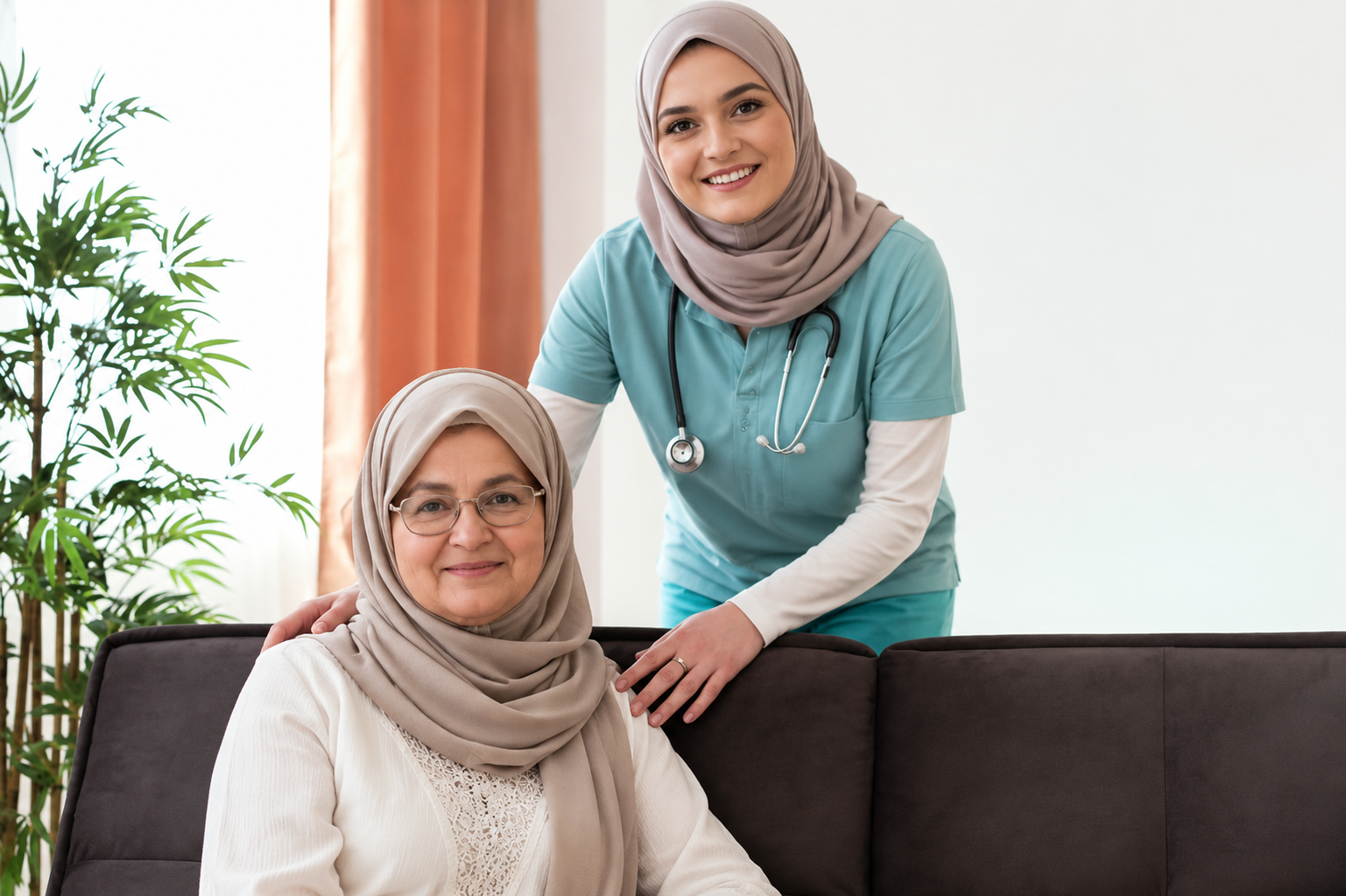
Recovering after a hospital stay is an important stage, and choosing the right care can make a big difference. While rehabilitation facilities provide structured medical support, many patients recover safely and comfortably with a nurse at home. Read on to discover when home nursing is the better choice, which patients benefit the most, and how to select the right care for a smoother recovery.
Many families choose home nursing because it allows patients to recover at home in a familiar and comfortable environment. Personalized nursing care provides one to one attention, helping nurses focus on medication, wound care, mobility, and daily health needs. This approach supports faster recovery while allowing patients to maintain their normal routines as much as possible.
Recovering at home also encourages family involvement and provides emotional comfort throughout the healing process. Flexible care schedules, better continuity of care, and lower exposure to hospital acquired infections are among the key home healthcare advantages. These home nursing benefits often improve patient confidence, satisfaction, and overall recovery experience.
Home nursing is often recommended for patients who no longer need continuous hospital supervision but still require skilled nursing care. It offers professional medical support, regular health monitoring, and assistance with daily activities while allowing patients to recover in familiar surroundings.
Home nursing can be an excellent option for individuals recovering from post-accident injuries who require ongoing care and rehabilitation without frequent hospital visits. Read Managing Post Accident Injuries With At Home Rehab to learn more.
Patients recovering from surgery often need skilled nursing care to heal safely at home while reducing the risk of complications.
Proper pain management plays a vital role in recovery after orthopedic surgery, helping improve mobility, comfort, and overall healing. Learn more in
Patients with chronic or progressive health conditions often benefit from ongoing nursing support to maintain health and independence.
Speak with our skilled wound care nursing team for expert support with incision care, dressing changes, infection prevention, and post-surgical wound healing.
Choosing between home nursing and a rehabilitation facility depends on the patient’s medical condition, recovery goals, and level of independence. The table below highlights the key differences to help families make an informed decision.
Care Aspect | Nurse at Home | Rehabilitation Facility |
Recovery environment | Familiar home setting | Clinical care setting |
Nursing attention | One to one personalized care | Shared nursing support |
Family involvement | High participation | Limited participation |
Daily schedule | Flexible | Structured routine |
Therapy sessions | Scheduled home visits | Frequent on site therapy |
Infection exposure | Generally lower | Higher due to shared facilities |
Medical supervision | Based on care plan | Continuous supervision |
Best suited for | Stable patients needing skilled care | Patients needing intensive rehabilitation |
Patients can move from rehabilitation to home nursing after achieving important recovery goals. These include improved mobility, a stable medical condition, reduced need for continuous monitoring, physician approval, and reliable family support. Continuing recovery at home with skilled nursing helps patients maintain progress while enjoying greater comfort, personalized care, and a familiar environment.
To understand when professional elderly care may be the right next step after rehabilitation, read When to Shift from Family Care to Professional Elderly Care.
Medical Stability: Doctors first confirm the patient’s condition is stable, with no immediate need for emergency treatment or continuous hospital monitoring before recommending home nursing.
Functional Independence Measure, FIM: Healthcare teams use FIM scores to evaluate mobility, self care, communication, and independence, helping determine whether recovery can safely continue at home.
Activities of Daily Living, ADLs: Patients are assessed on bathing, dressing, eating, toileting, walking, and transferring to decide if they can safely perform essential daily activities.
Cognitive Status: Memory, decision making, orientation, and the ability to follow medical instructions are evaluated before choosing home nursing or rehabilitation care.
Medication Complexity: Patients needing multiple medications, injections, wound care, or IV therapy are assessed to ensure these treatments can be safely managed at home.
Ability to Walk Safely: Healthcare professionals evaluate balance, strength, mobility, and fall risk before deciding if the patient can recover safely at home.
Need for Therapy: Patients requiring occasional physiotherapy may recover at home, while intensive daily rehabilitation may still require a rehabilitation facility.
Family Support: The availability of caregivers who can assist between nursing visits plays an important role in determining whether home recovery is suitable.
Choosing the right home nursing provider helps ensure safe, effective, and personalized care throughout recovery. Look for qualified nurses with relevant experience, clear communication, condition specific expertise, and the ability to coordinate with the patient’s healthcare team.
Choosing home nursing depends on the patient’s medical condition, recovery progress, and the support available at home. If the patient is medically stable and can safely continue recovery outside the hospital, home nursing may provide the right balance of professional care and personal comfort.
Choosing between a nurse at home and a rehabilitation facility depends on the patient’s health condition, recovery goals, and level of support needed. Home nursing is often the better option for medically stable patients who benefit from personalized nursing care, familiar surroundings, and active family involvement. Discuss the recovery plan with your healthcare team to choose the safest and most effective care for long term healing.
Eureka Home Healthcare provides trusted and affordable nurse at home services in Dubai for patients of all ages. Our DHA licensed and experienced nurses deliver safe, compassionate, and professional medical care in the comfort of your home. Whether you need post hospital recovery support, elderly care, chronic disease management, or skilled nursing, we focus on high quality, personalized care that reduces hospital stress while helping your loved ones recover comfortably and confidently at home.
Is home nursing suitable after every hospital discharge?
No. Home nursing is suitable for patients who are medically stable and can recover safely with skilled nursing care at home. Patients needing intensive therapy or continuous medical supervision may benefit more from rehabilitation.
Which patients recover better with a nurse at home instead of a rehabilitation facility?
Patients recovering from surgery, stroke, chronic illnesses, or those needing ongoing nursing care often recover well at home when they are medically stable and have adequate family support.
Can physical therapy and rehabilitation be provided at home?
Yes. Many patients receive physiotherapy, occupational therapy, and rehabilitation exercises at home alongside skilled nursing services, depending on their condition and the treatment plan recommended by their doctor.
How do doctors decide between home nursing and inpatient rehabilitation?
Doctors assess medical stability, Functional Independence Measure scores, Activities of Daily Living, mobility, cognitive function, therapy needs, medication complexity, and family support before recommending the most appropriate recovery setting.
What services can a skilled nurse provide during home recovery?
A skilled nurse can provide medication administration, wound dressing, IV therapy, catheter care, health monitoring, patient education, chronic disease management, and regular communication with the healthcare team.
Can elderly patients with dementia or Parkinson’s disease receive rehabilitation support at home?
Yes. Many elderly patients with dementia or Parkinson’s disease benefit from home nursing combined with rehabilitation therapies when healthcare professionals determine that recovery at home is safe.
What should families check before arranging professional home nursing services?
Families should verify nurse qualifications, home safety, emergency preparedness, caregiver availability, personalized care plans, and communication with the patient’s healthcare team before starting home nursing services.
In the home setting, Nurses play an integral role in the delivery of quality healthcare services that generates trust and collaboration for both the care of the client and the maintenance of health of other family members as well.
Office 107, Business Point Building, Port Saeed, Dubai, United Arab Emirates
Mob : +971 50 3860 777
Tel : +971 4 26 68 222
© 2023 Copyright Eureka Home Health Care | Patient Rights | All rights reserved.
MOH APPROVAL # NGBTGZGQ-010726